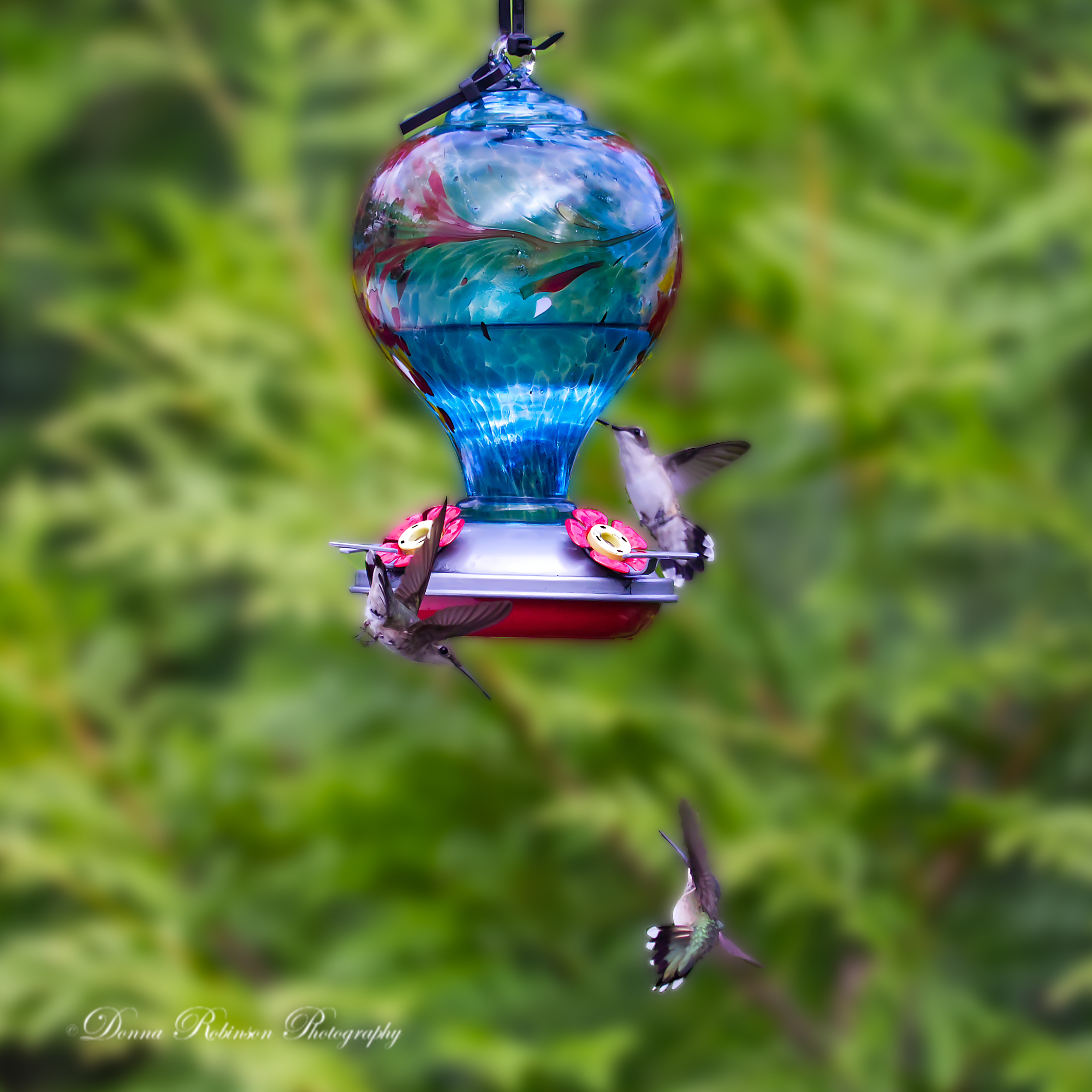
The hummingbirds continued to entertain us this week, and I was fortunate to capture three (3) of them chasing each other. I say three (3) of them because I think I saw a fourth one the other night.
Until next time,
~donna
The hummingbirds continued to entertain us this week, and I was fortunate to capture three (3) of them chasing each other. I say three (3) of them because I think I saw a fourth one the other night.
Until next time,
~donna
The hummingbirds are becoming more and more active these days. It seems as though they are everywhere zooming around the yard chasing each other. They’re fun to watch yet challenging to photograph.
We have a row of Leyland Cypress trees flanking the hummingbird feeder this year. The hummers love to rest and stretch on the branches before swooping into the feeder for food.

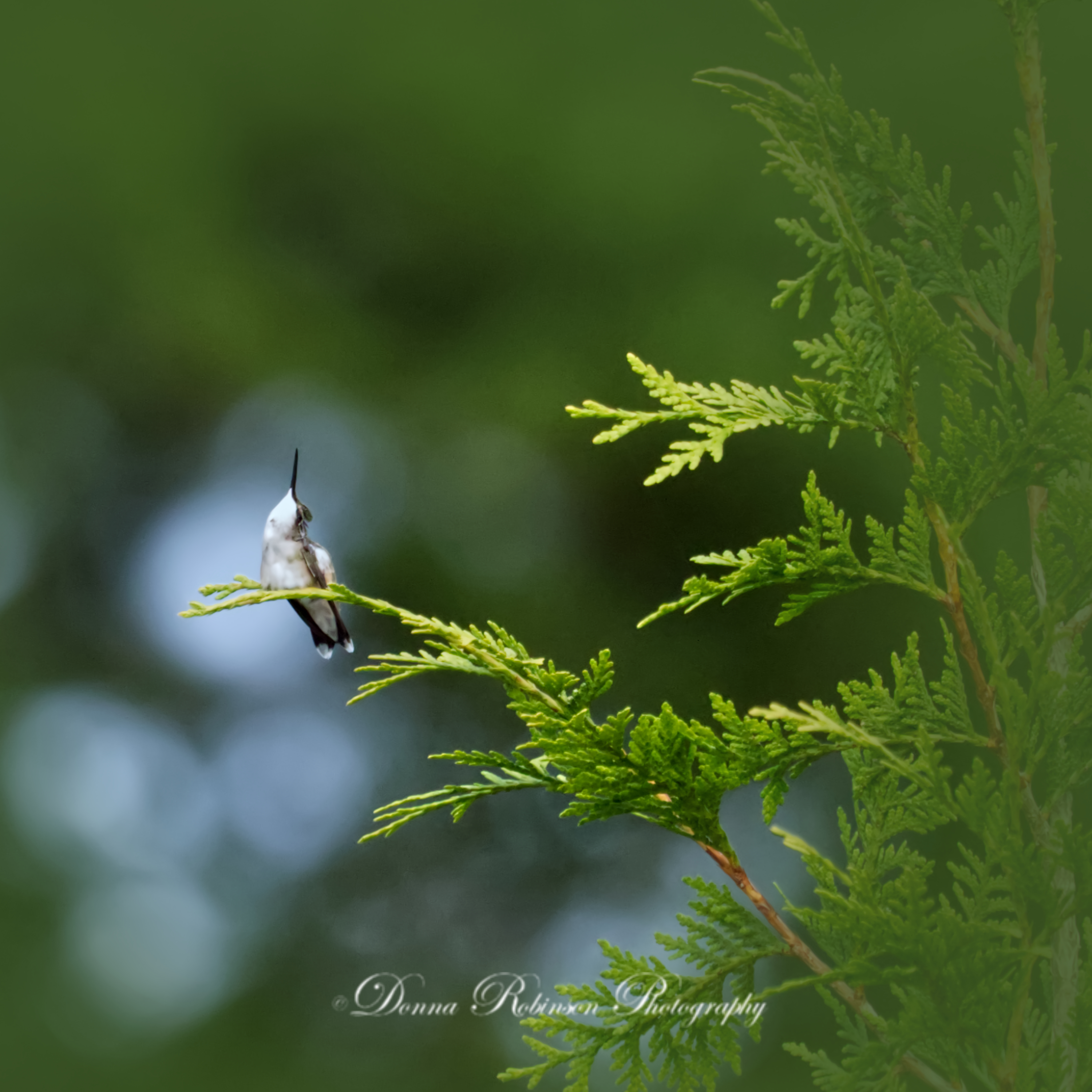
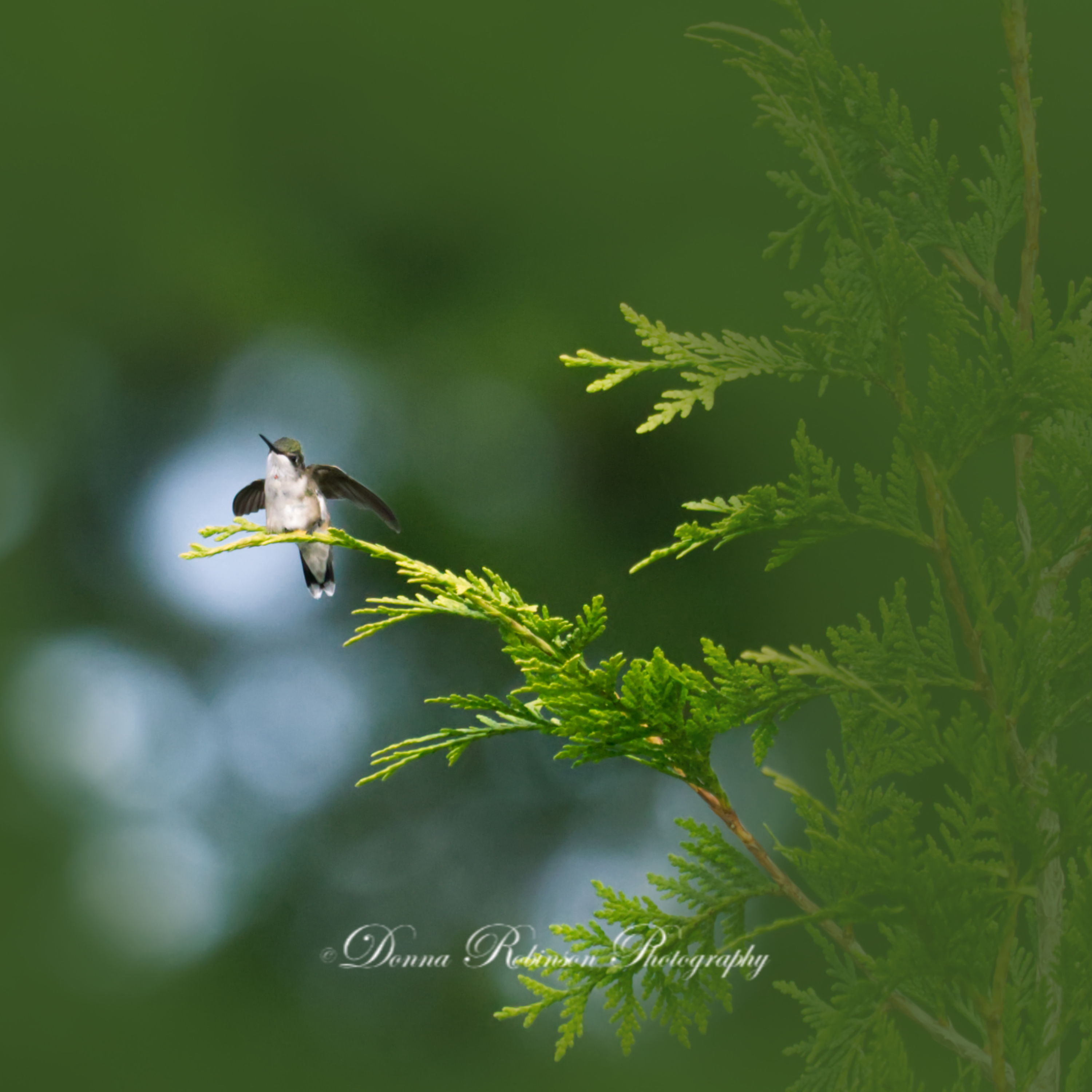

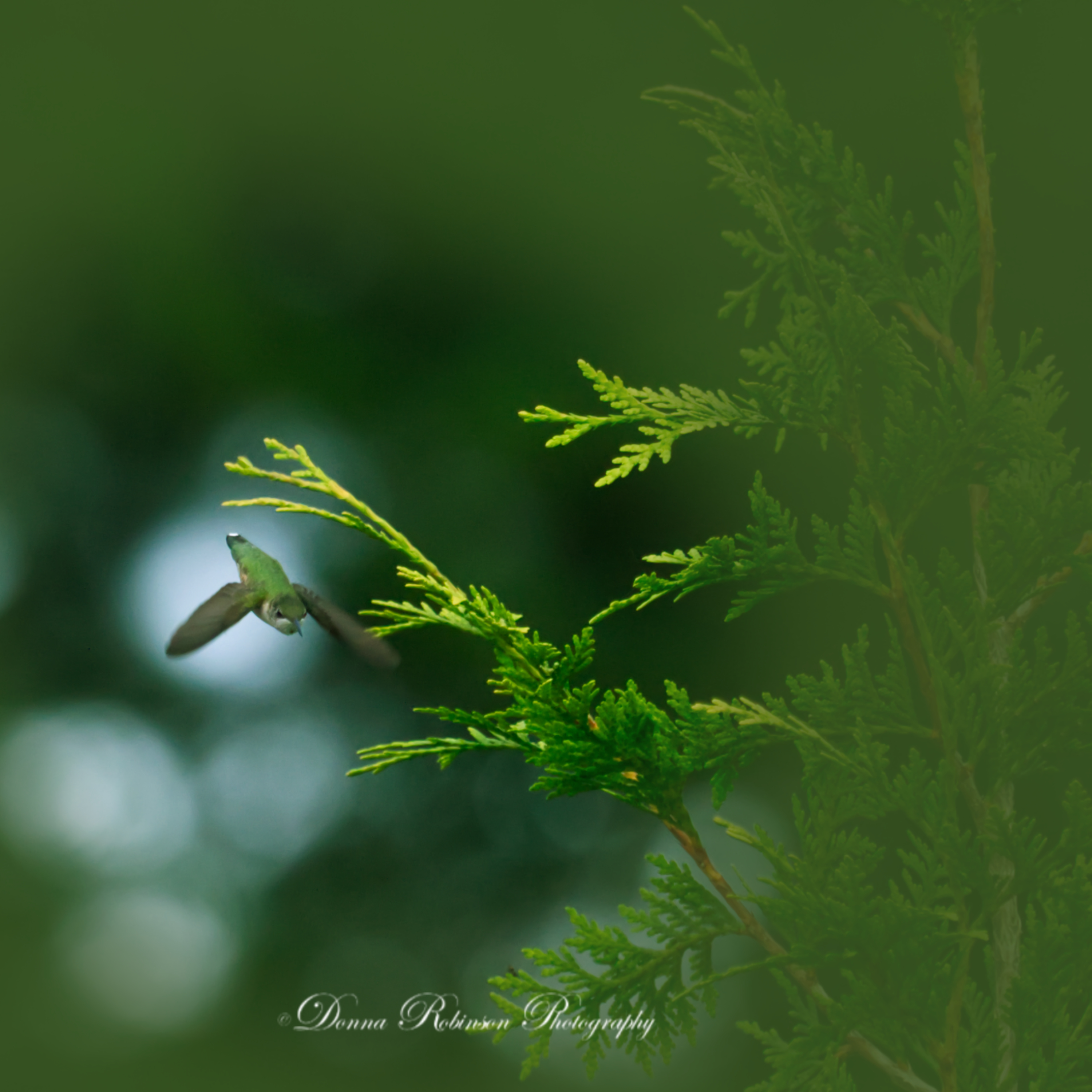
As cute as these little garden fairies are, hummingbirds are territorial creatures, keeping close guard over their spot at the feeder. They are fast, furious and very feisty when it comes to protecting their food source.


I could probably place another feeder in the yard and that might help to ward off some of the fighting. But, quite honestly, I don’t think that will help much. Besides, they’re very entertaining to watch as they chase each other making what sounds like a heckling laugh. I’ve seen three (3) at one time chasing each other but have only been able to shoot these two (2).
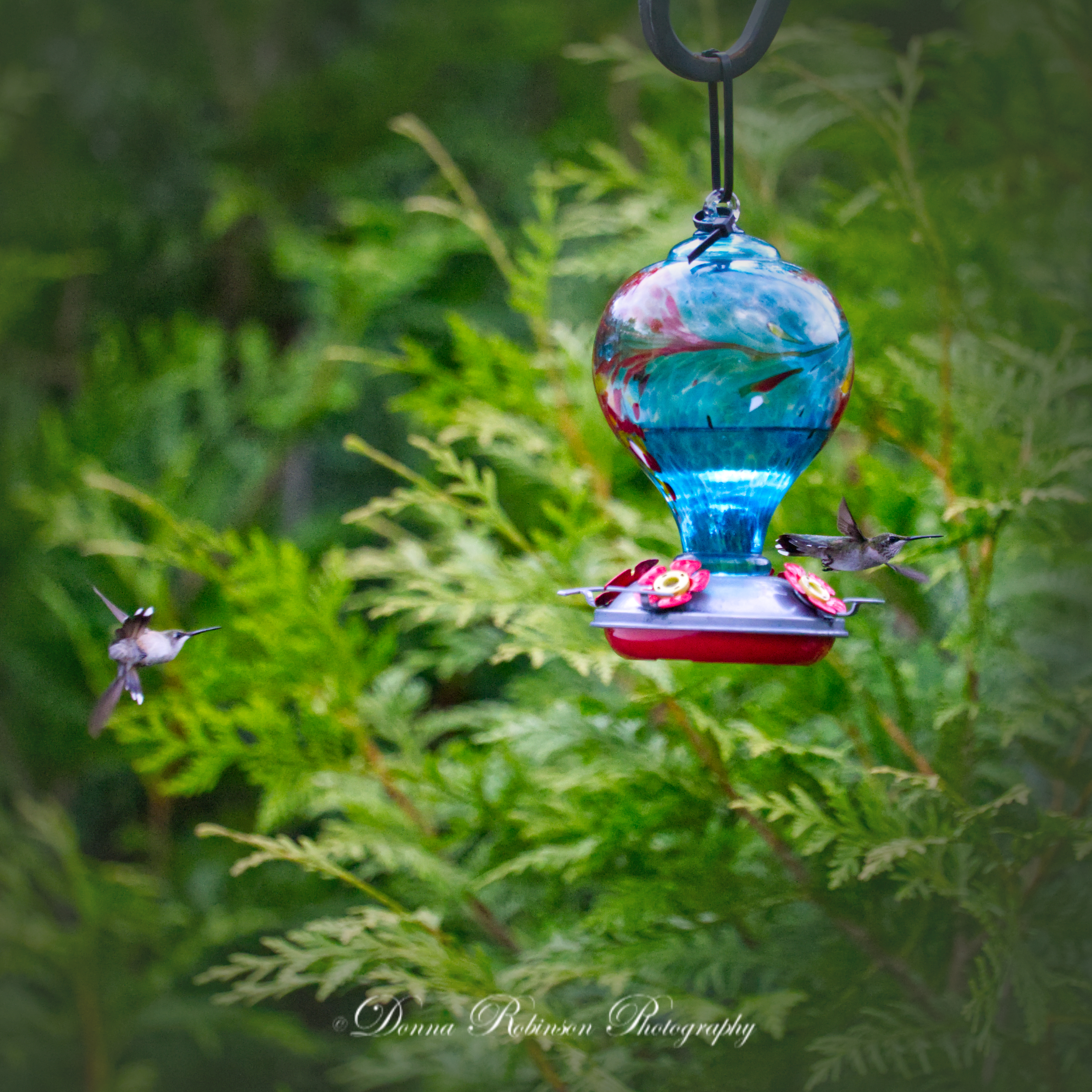


August is the month when hummingbirds get even more active as they build their strength and prepare for their migration back to Mexico and Central America. Hopefully, I’ll be able to capture some more shots of their adventures before they leave.
Until next time,
~donna
Tomorrow is Memorial Day here in the states. It’s a national holiday which marks a day of remembrance of our fallen soldiers who died while serving in the military.
Memorial Day also marks the official start of summer and I think these cute little birds are definitely feeling the summer vibes. Don’t you?
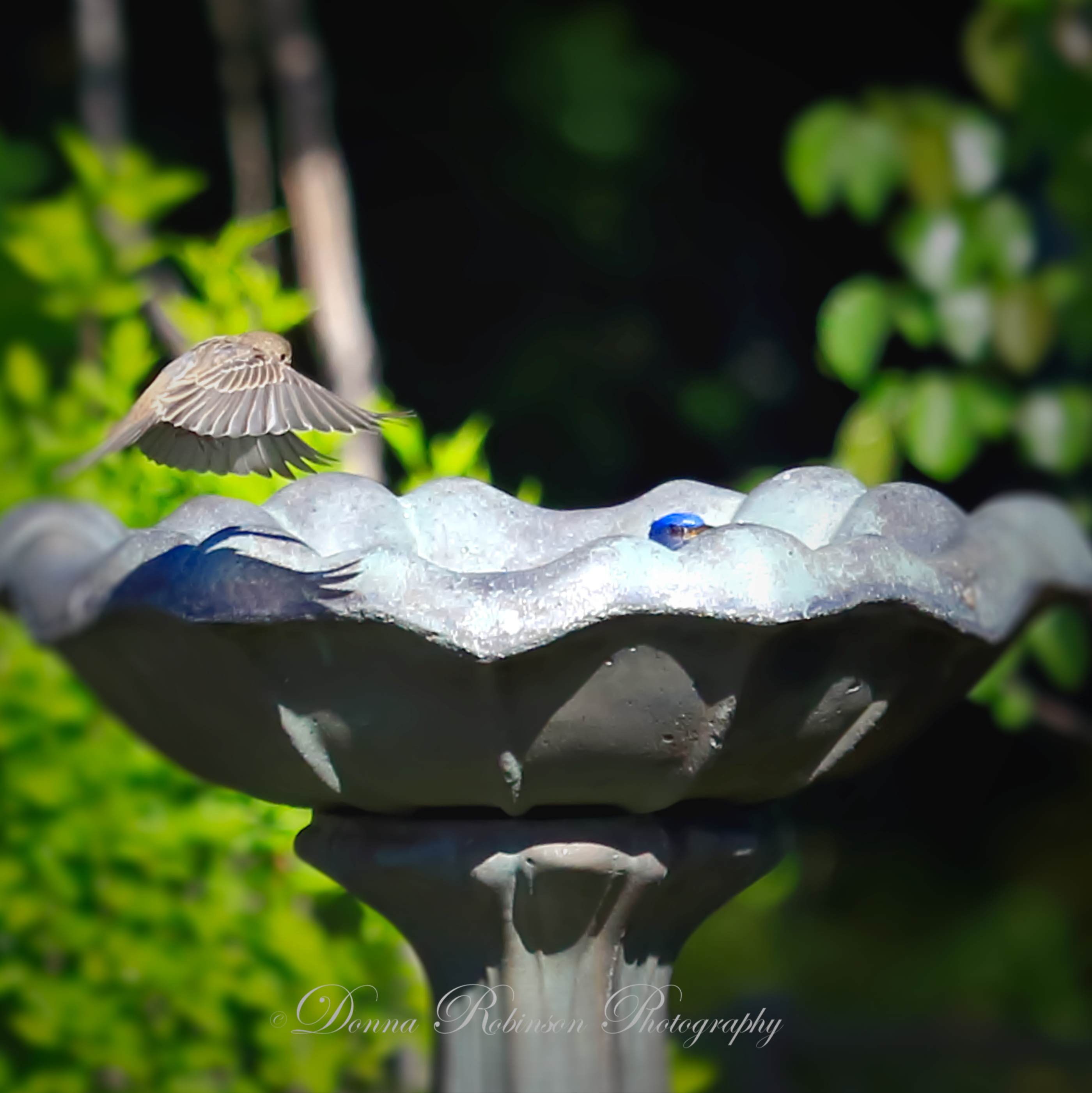
Until next time, here’s to our fallen and to a summer full of belly flops, flip flops and floaties.
~donna
Happy Sunday, everyone! I’m still hanging out back with the bird feeders this week. There’s always lots of activity around them which makes for great photography opportunities.
Today, I’m featuring this cute fella which is a Tufted Titmouse. He’s a charming little songbird that belongs to the Chic-a-dee family.
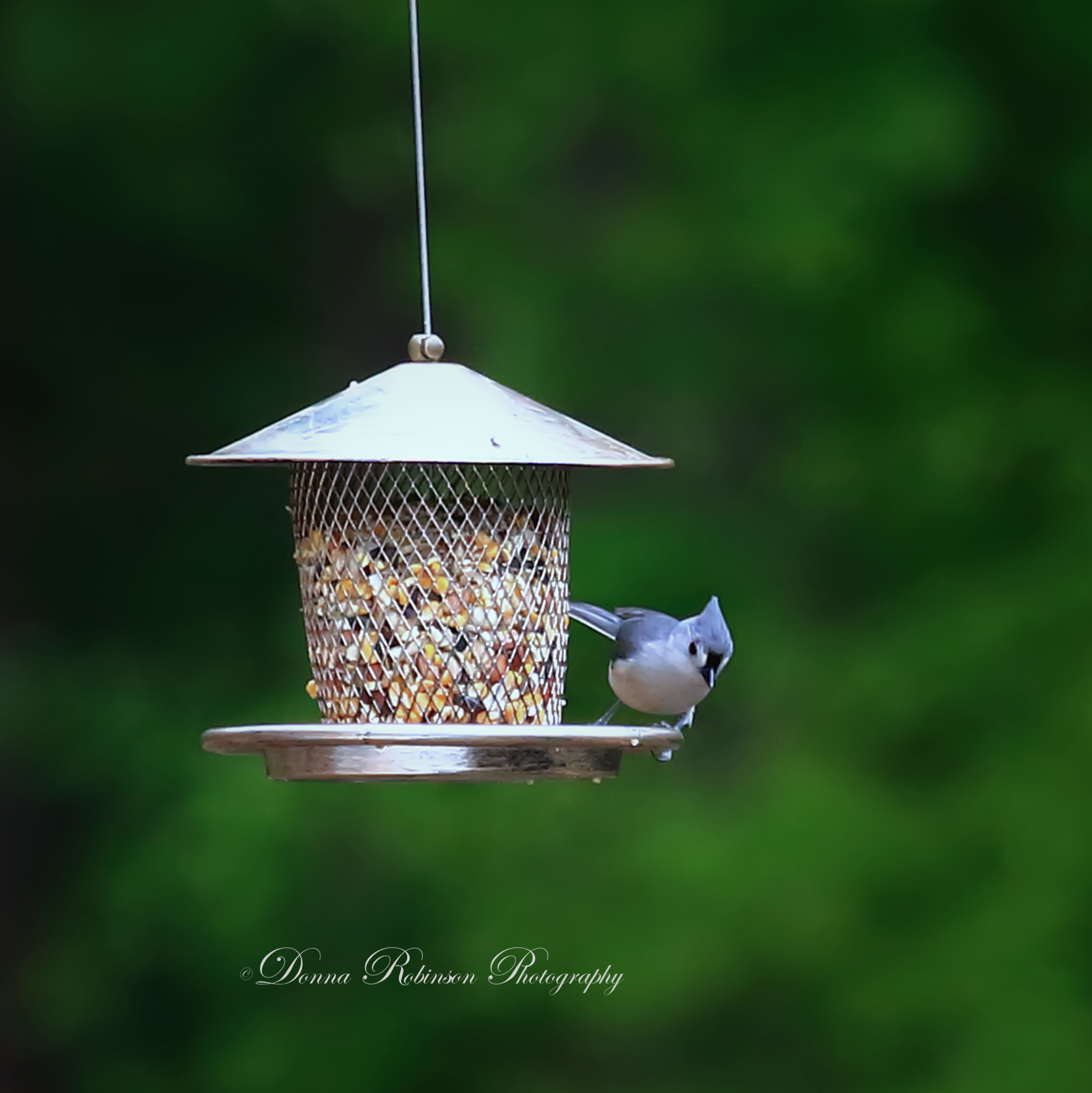
According to Cornell Labs it can be found in the Eastern forests and is also a frequent visitor to bird feeders. An interesting fact about them, is they can’t excavate their own nest cavities. Instead, they are dependent on natural holes left by woodpeckers. I guess you could say this is a great example of “one man’s (um, bird’s) trash is another man’s treasure?!”
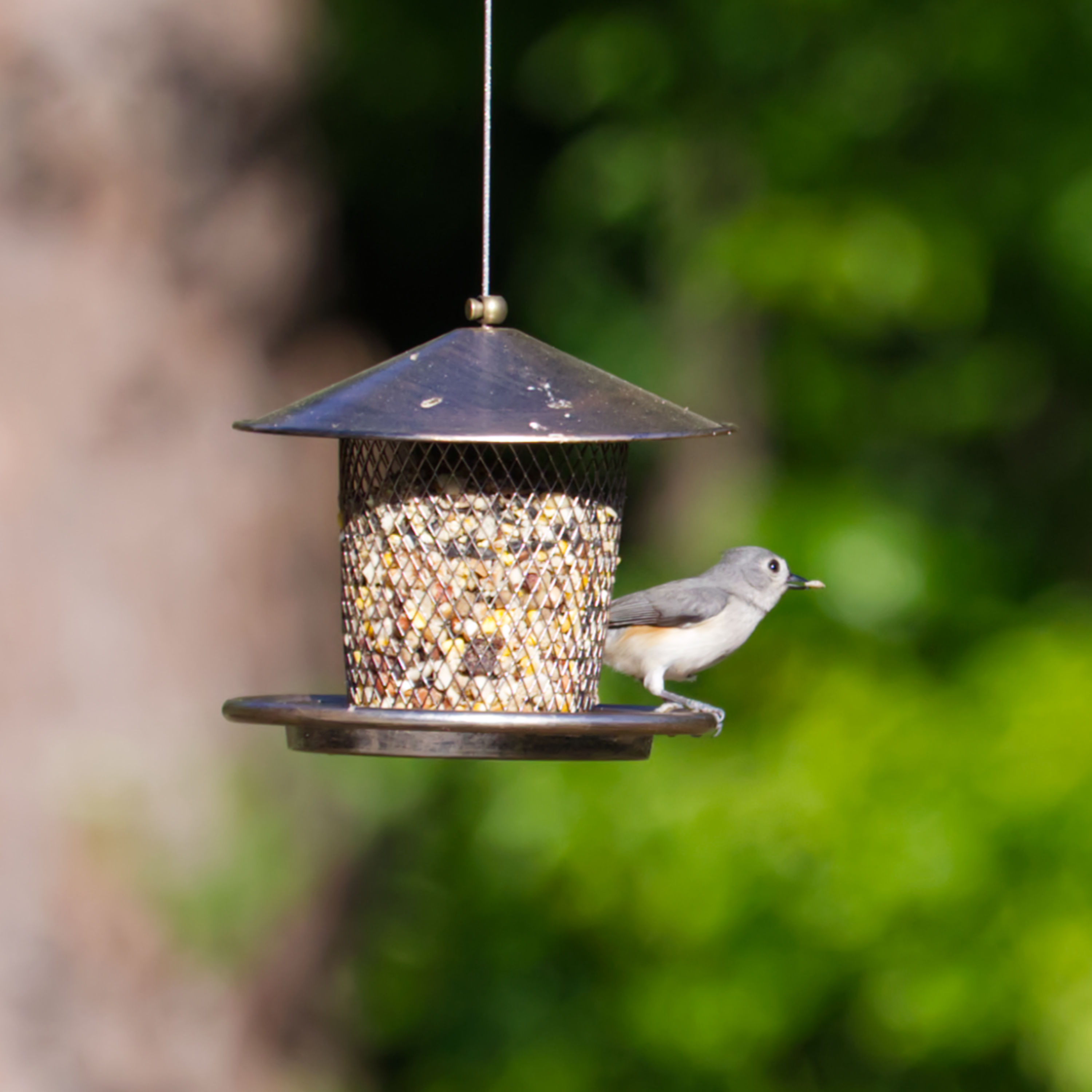
Hmmm. It looks like they’re also talented in gathering their food upside down. I really don’t know what this was about, but, hey it seemed to work for him. Who am I to argue?
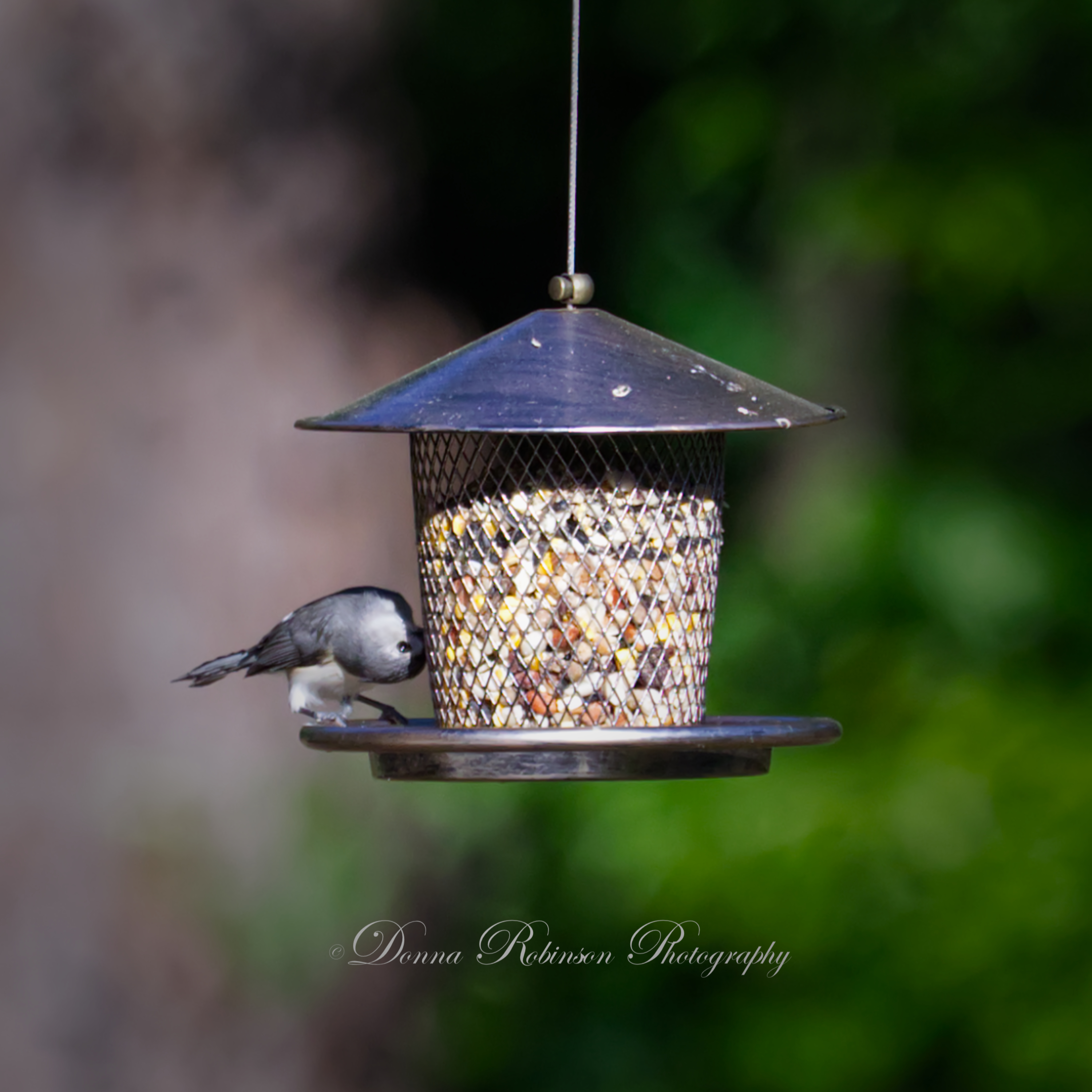
I hope everyone has a great week!
Until next time, “keep calm and chirp on.”
~donna
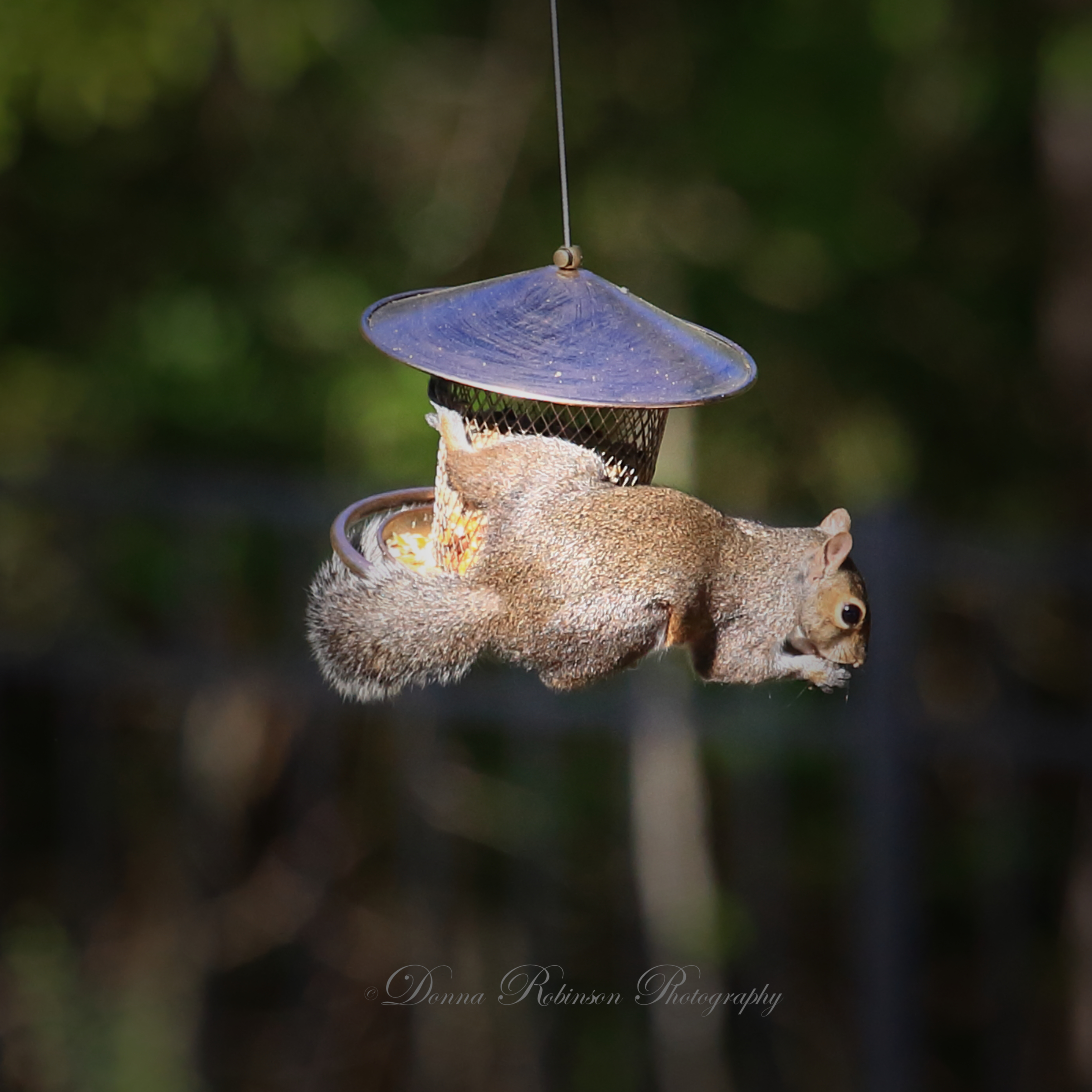
We have a VERY relentless squirrel hanging out around our bird feeders. He’s rather cute to watch as he comes scampering out of the woods across the lawn to the feeders. He even stops to snag a few droppings at the base of the feeders.
Quite honestly, I don’t understand why he feels the need to scale up the pole to the feeder. It seems to me it would be a whole lot easier for him to just grab from the leftovers. But hey, it is a squirrel after all.
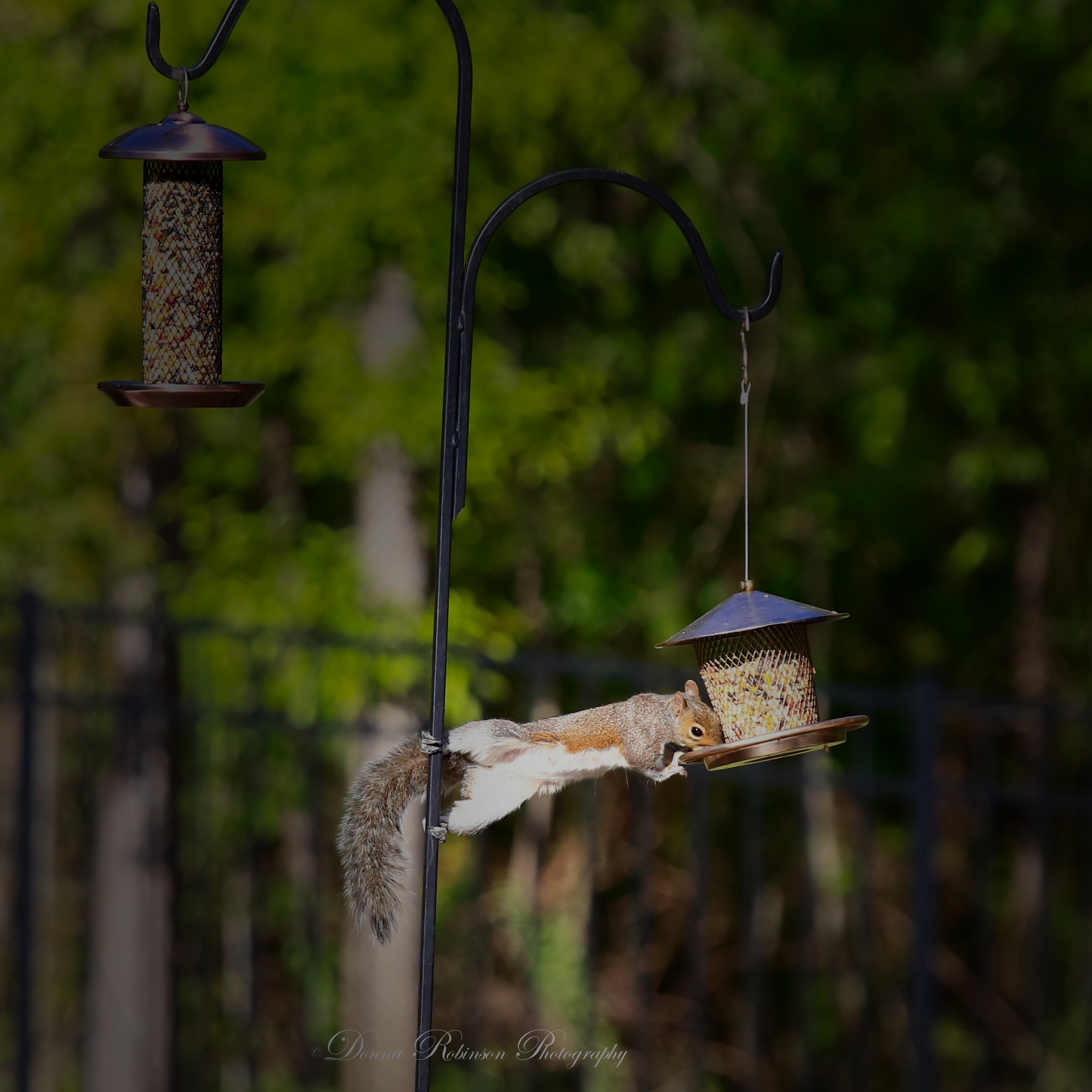
He’s really quite funny to watch as he wraps himself around the feeder trying to get the optimal morsels of food.
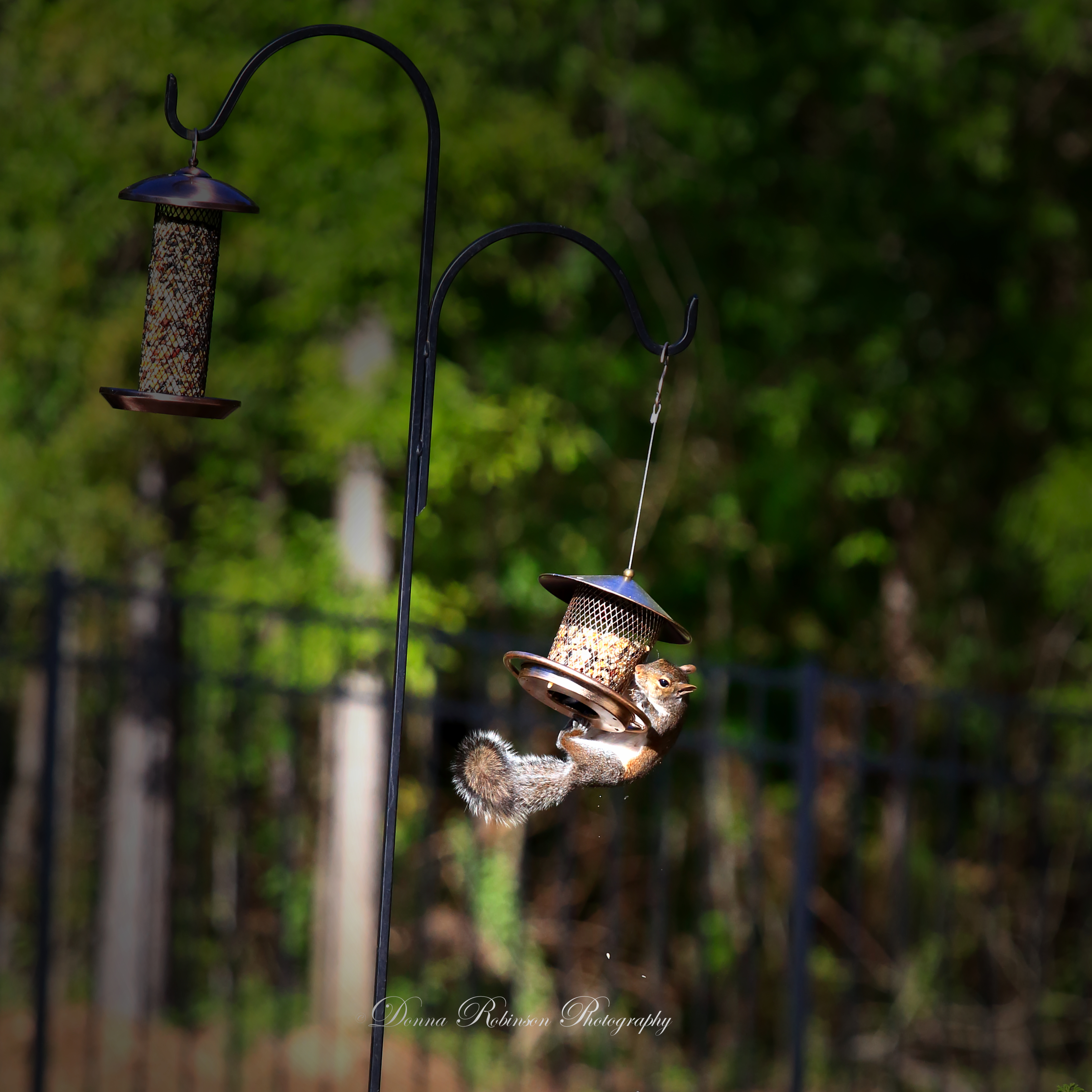
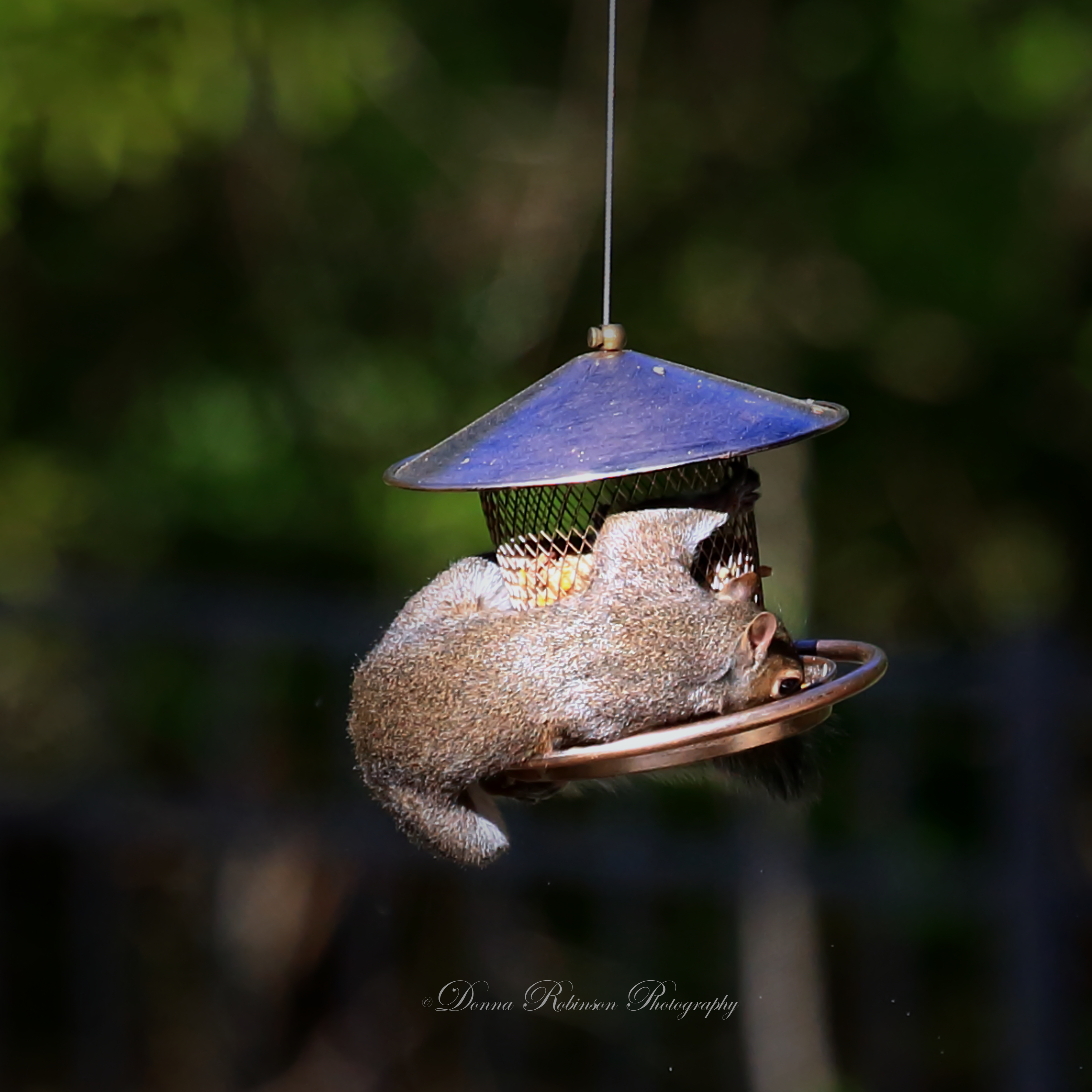
Even the cardinal looks at little baffled as to why the squirrel is making it harder than it needs to be to get to the food.
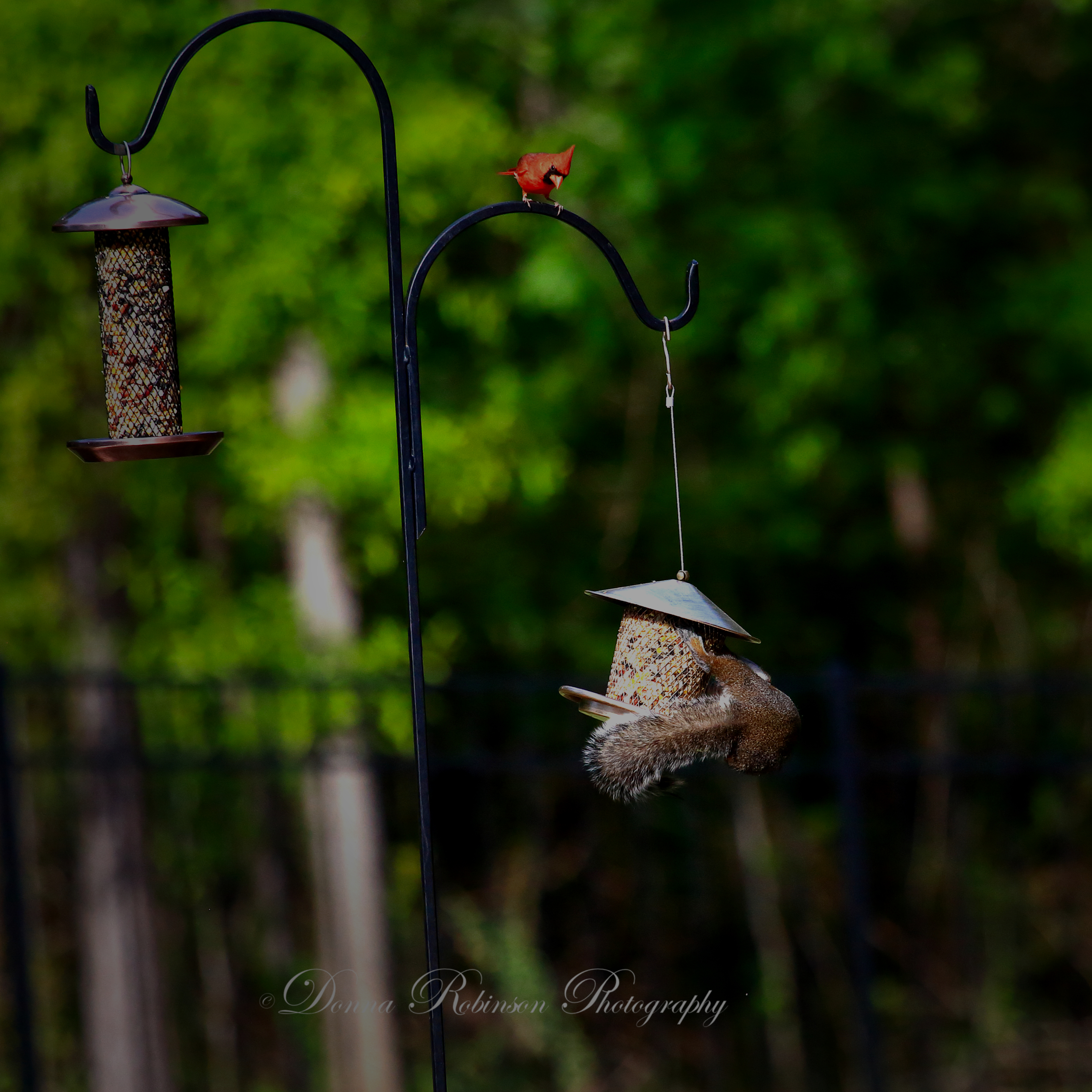
Oh well, to each his own, “any which way you can.”
Until next time,
~donna
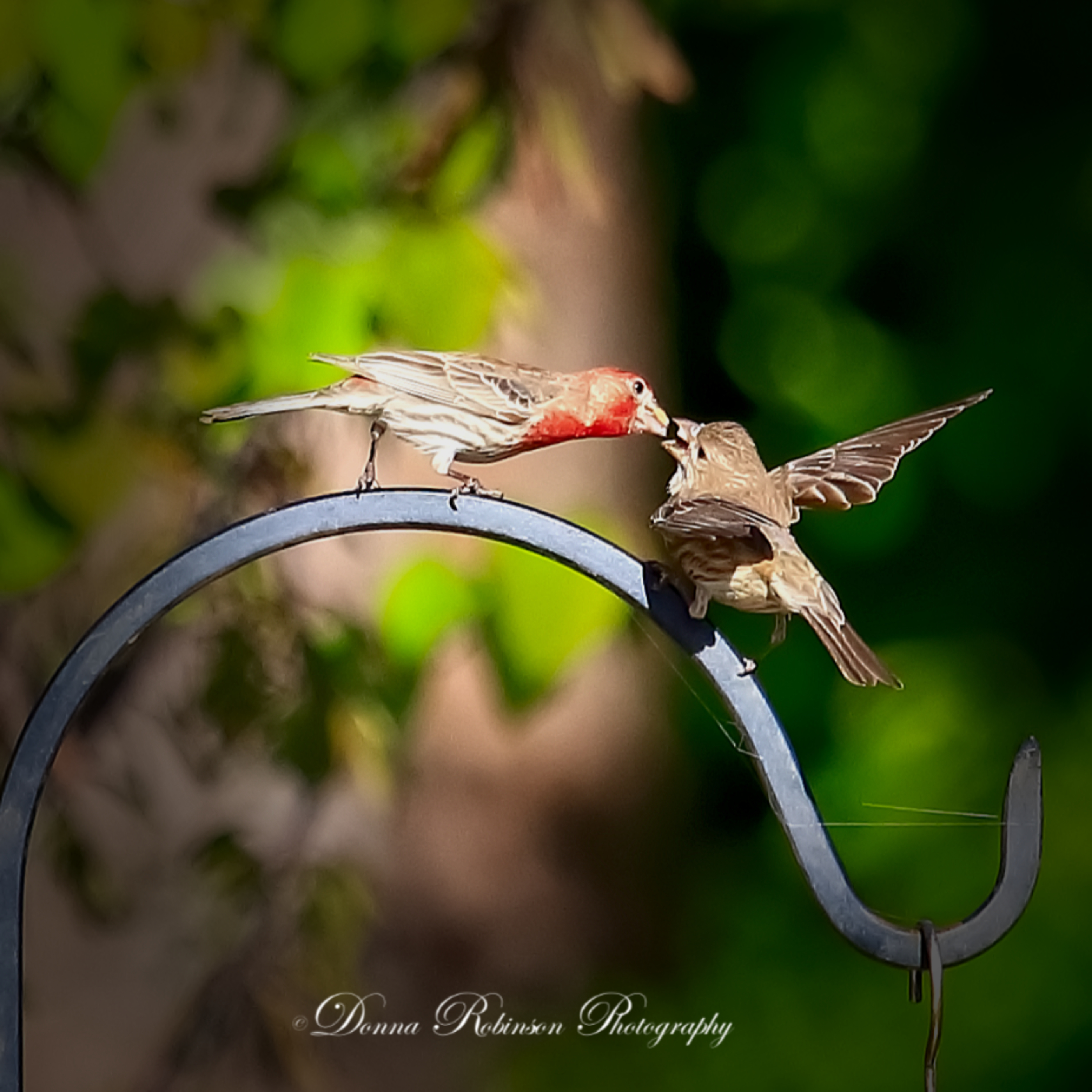
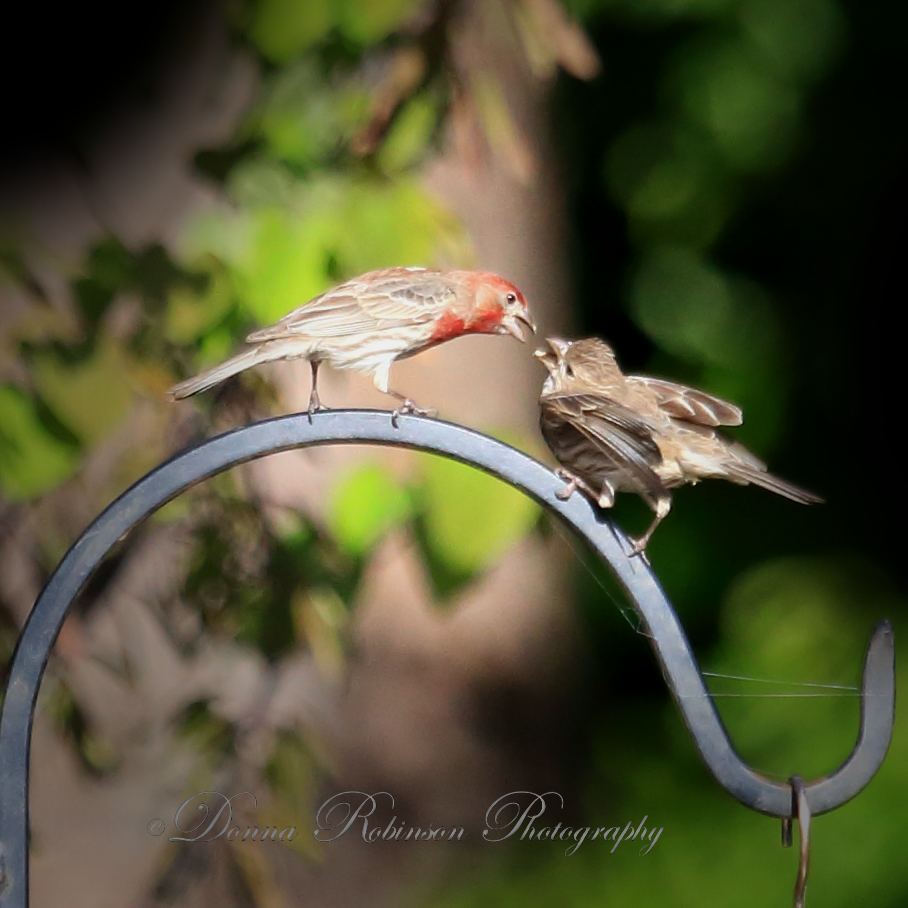
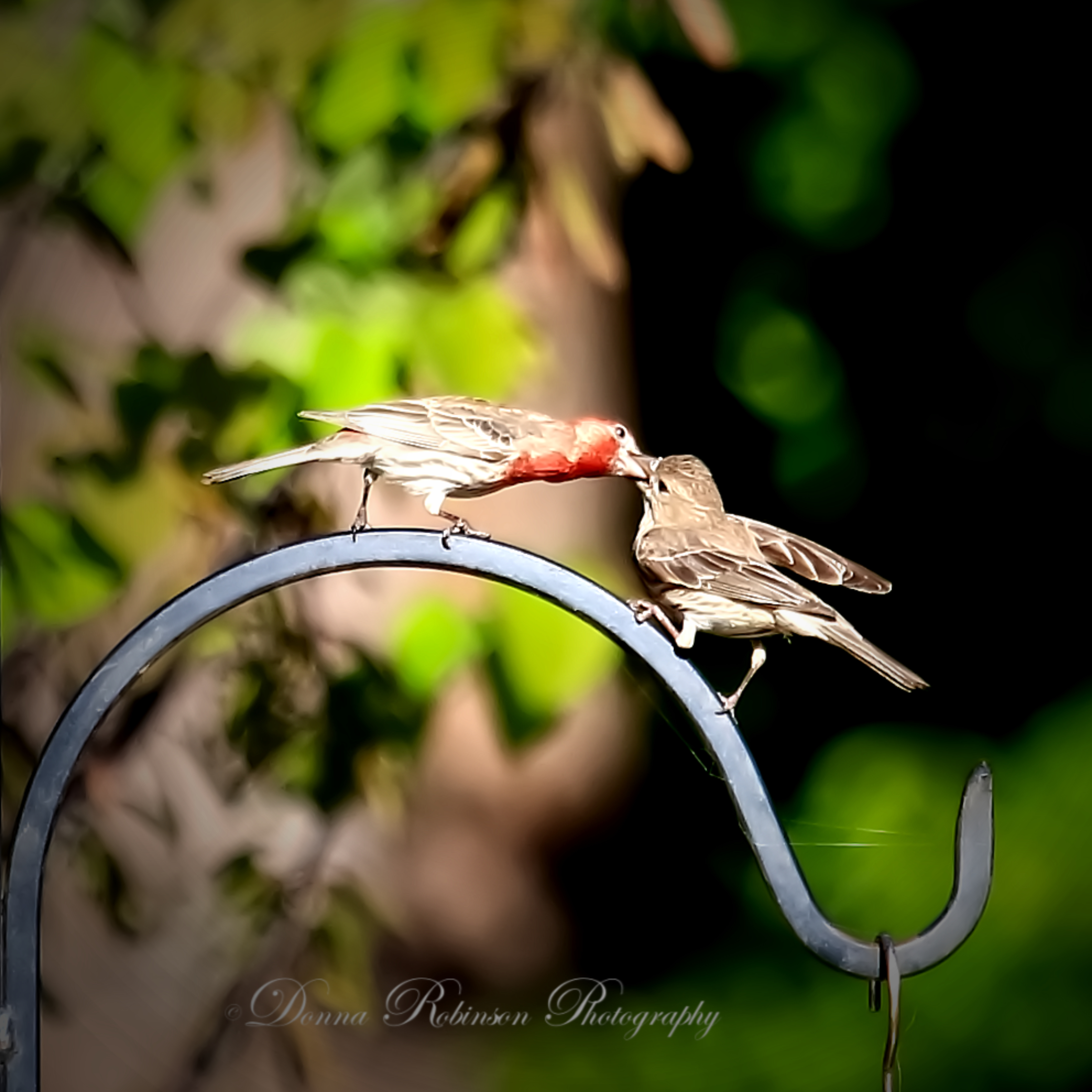
“A House Finch sings of joy, resilience, and the beauty of community — a reminder to stay hopeful, connect deeply, and express your truth.” – unknown
Until next time,
~donna
I don’t know if he was intentionally trying to hide from the other birds or not, but this little guy sure did give it a good try. So much so, I had a really hard time keeping the lens focused on him. You can tell because these photos aren’t as sharp as I would like.
This is one (1) of three (3) American Goldfinches we have visiting our yard this year.
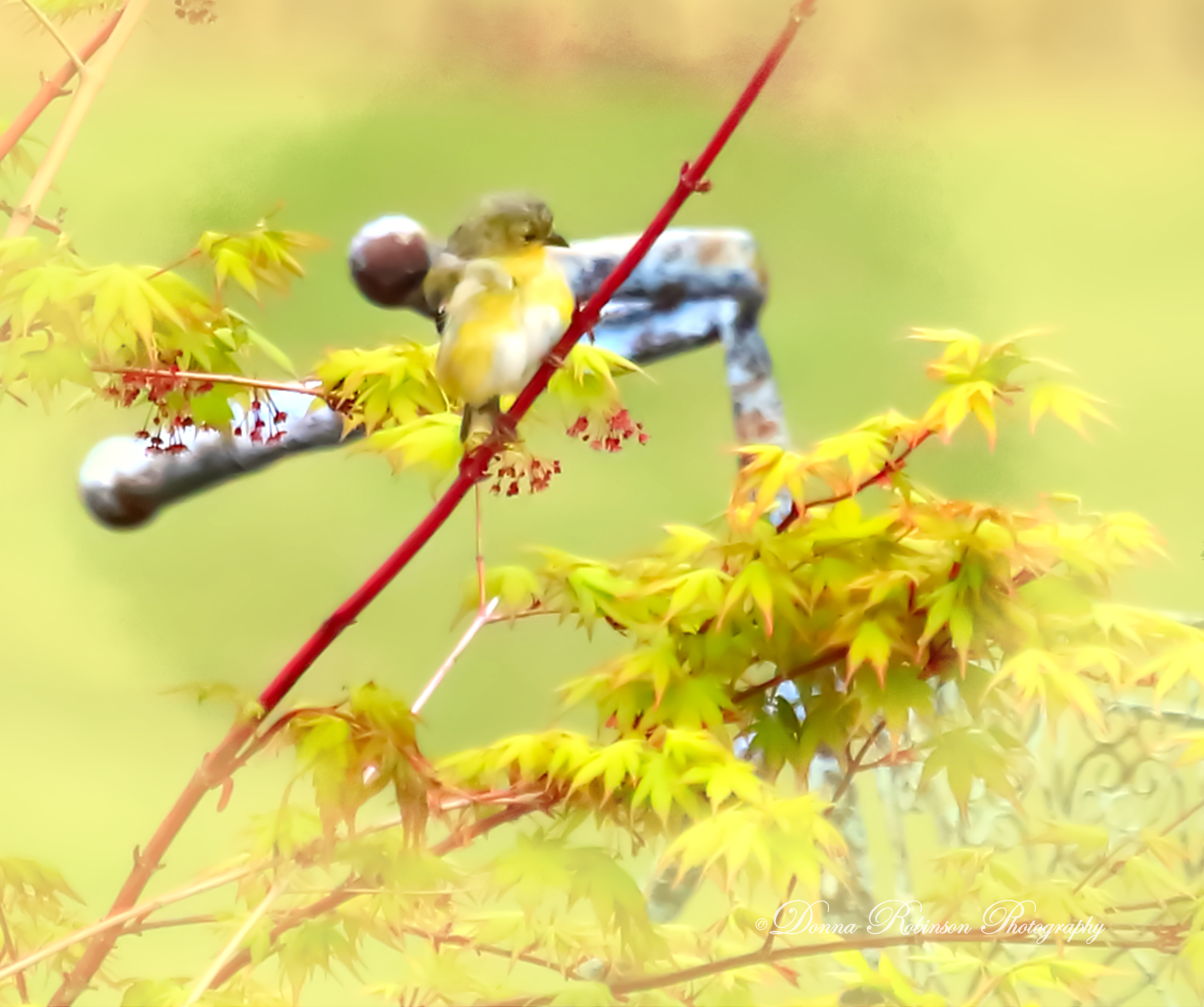
Did you know the American Goldfinch is the state bird of Iowa, New Jersey and Washington?
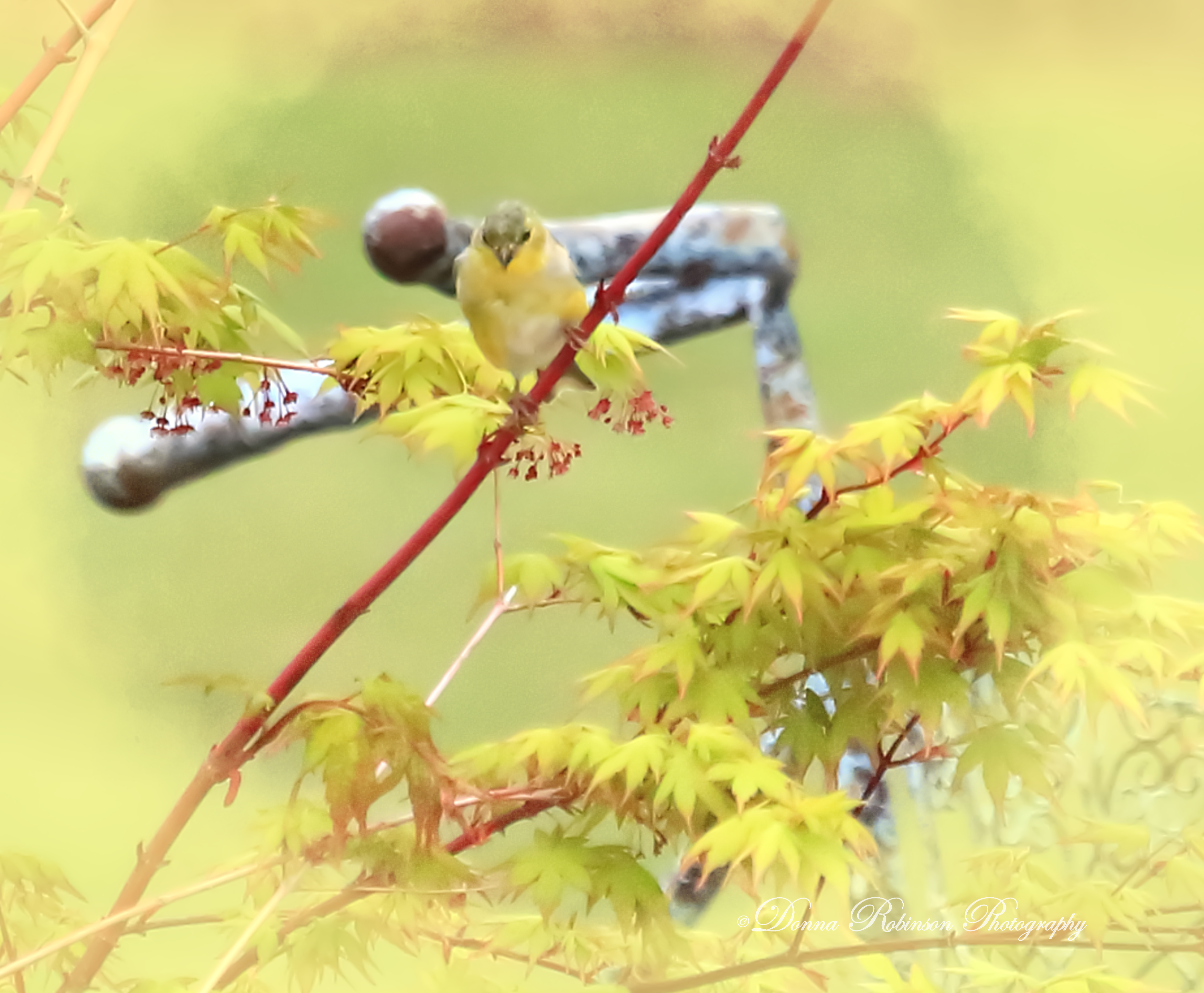
They are also strict vegetarians in the bird world, eating an entirely vegetable diet albeit swallowing an occasional insect.
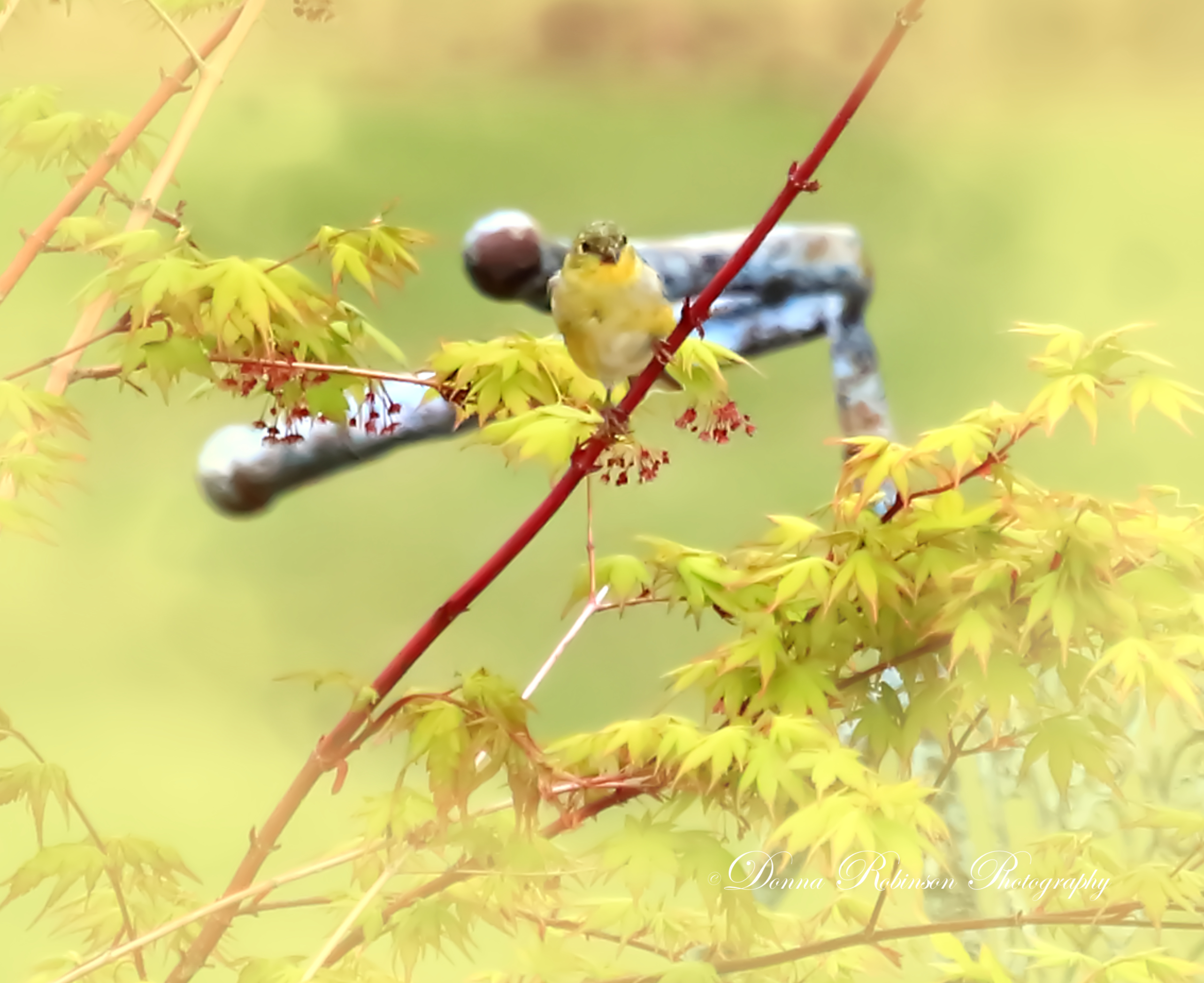
A breeding male Goldfinch can be identified by their bright yellow and black foreheads, black wings and white markings. They also breed later than most North American birds and wait to nest until June or July. This is the optimal time when milkweed, thistle, and other plants have produced their fibrous seeds, which goldfinches build into their nests and to feed their young.
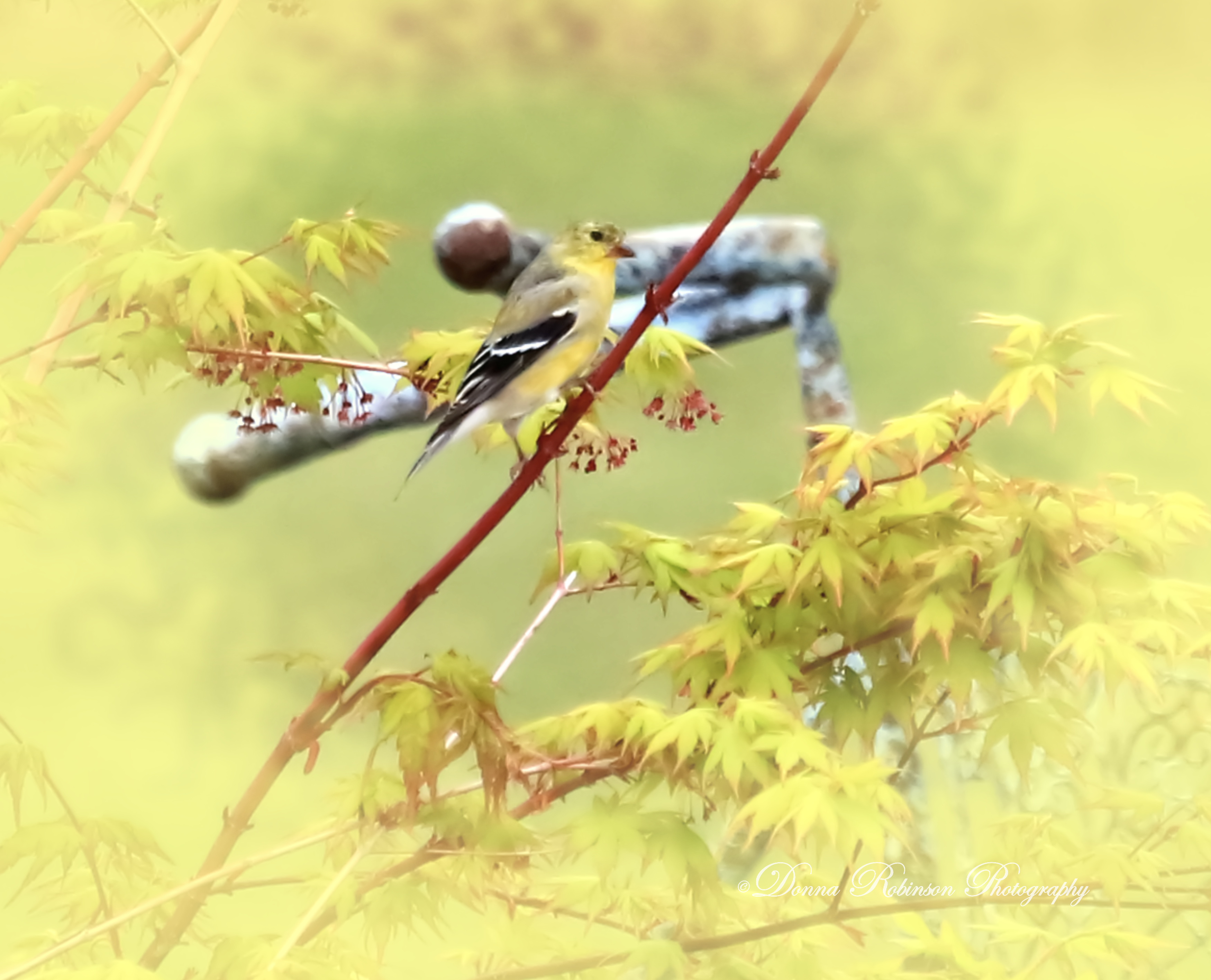
I’m hoping to capture more of these little birds this summer. They always brighten my day.
Until next time,
~donna
Species Information Source: Cornell Lab – All About Birds
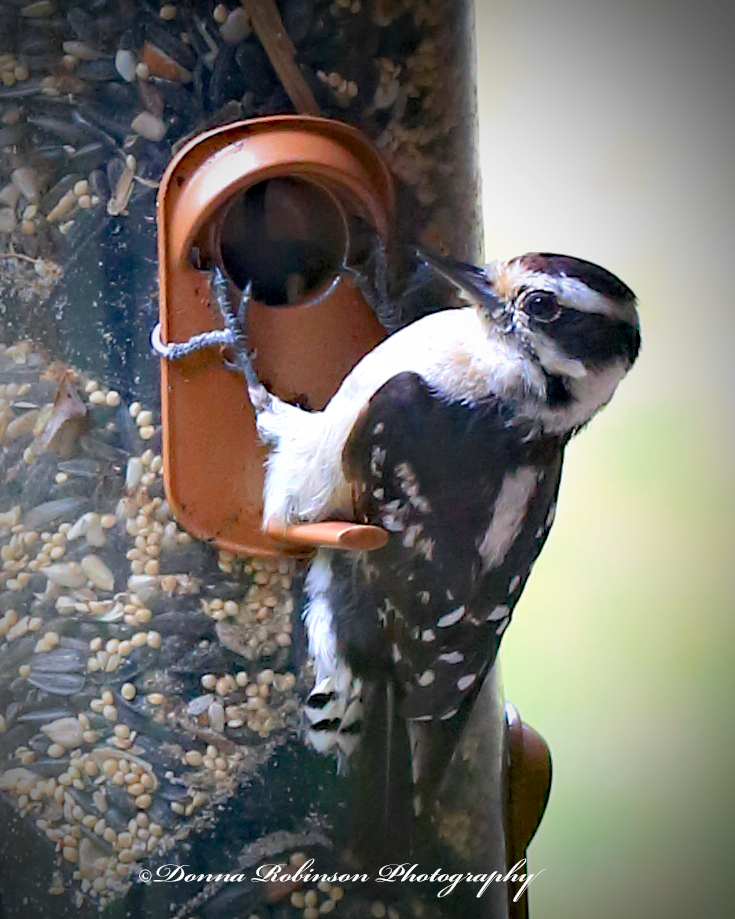
Day 10 – We have a new visitor at the birdfeeder today, an Eastern Female Downy Woodpecker. According to All About Birds “Downy Woodpeckers are small versions of the classic woodpecker body plan. They have a straight, chisel-like bill, blocky head, wide shoulders, and straight-backed posture as they lean away from tree limbs and onto their tail feathers. The bill tends to look smaller for the bird’s size than in other woodpeckers.”
Editing Notes: I applied a haze removal before cropping and made some minor level adjustments to the lighting before applying a final vignette for accent.
Field Notes: 170mm; Exposure: 1/100 sec, f/9, ISO 1250
Until next time,
~donna
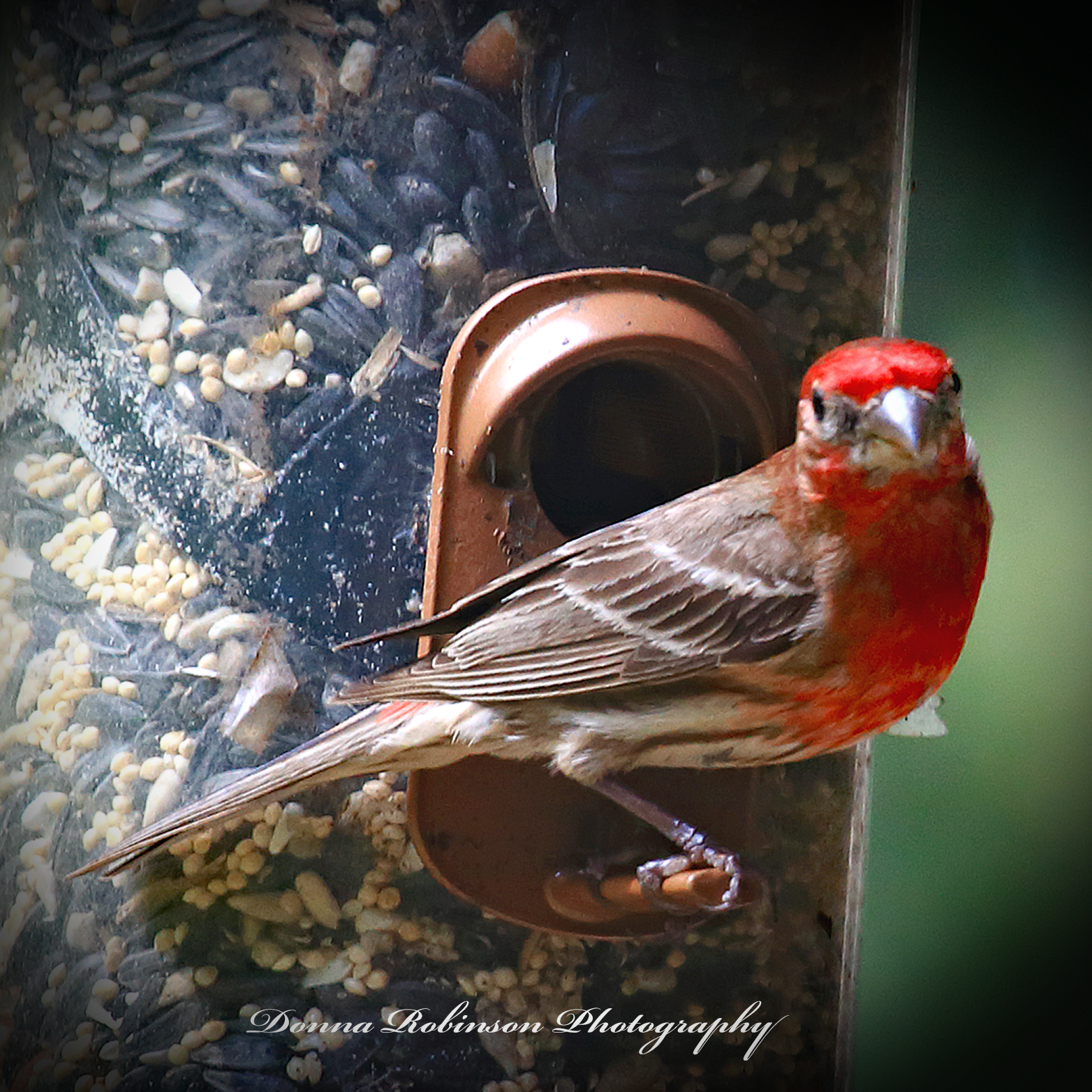
Day 9 – House Hen Finch. This little bird was having way too much fun at the feeder today, but I was lucky enough to get a shot of him staring at me. His face is not quite as crisp as I would have liked, but it’s nature and sometimes you just go with what you get. I’m also linking this to Becky’s Simply Red Squares Challenge.
Editing Notes: Today, I applied the normal haze removal, level adjustments (lighting) and some sharpness adjustments followed with the usual cropping and vignette application.
Field Notes: Focal Length: 400mm; Exposure 1/125 sec, f/9, ISO 1250
Until next time.
~donna

🦅In other bird news…..
This beautiful hawk has been visiting our backyard lately. I happened to snatch this photo of him last night while working on a few pics of the hummingbirds.
Field Notes:
Camera: Canon EOS 6D
Lens: Canon EF 100mm – 400mm
Focal Length: 180mm
Shutter Speed 1/100
Aperture: f5.6
ISO: 1250
Time of Day: 6:59p.m.
I have no clue what species this is, so if any of you other bird enthusiasts out there know please drop me a note in the comments below👇👇
What types of birds do you have wandering around in your backyard?
~Looking for unique greeting cards and photography gifts? Then pop on over to my Etsy shop by following or copying this link in your browser👉👉 https://www.etsy.com/shop/donnarobinsonphoto
Homesteading on a Blackberry Hilltop
The world as I see it
Fun, Photography & Friends
Nature and Travel Through Brazilian Eyes
Every Day is a Gift!
Retired and Enjoying Every Minute of It
Welcome to my creative corner! Here, I share my photos, travel stories, random thoughts, and a bit of myself.
Moving forward carrying grief
Random thoughts, life lessons, hopes and dreams
Historical Fiction Author
Live the best of your life every day
“Beauty can be seen in all things; seeing and composing the beauty is what separates the snapshot from the photograph.” Matt Hardy
To See a World in a Grain of Sand...
Wellness and Fitness Enthusiast
Teaching the art of composition for photography.
Creative Exploration in Words and Pictures
"Two roads diverged in a wood, and I— I took the one less traveled by, And that has made all the difference." The Road Not Taken, by Robert Frost
Capturing nature's peacefulness one photo at a time.
photography and life
Reflections on places traveled and photos taken.
Book reviews, photos, and more...
Seeking God's glory in the midst of mothering, marriage, and everything in between.
Expressing Thought Through Photography
✨✨Inspiring Poems, Articles, Pictures and much more!!! ✨✨
A Londoner and a San Diegan
Event Photography. Sony Alpha Shooter.
Louella Lester - Seeing and learning while holding camera and pen between me and the world.
capturing memories one moment at a time
Life is a Journey Not a Destination......You Are the Artist Paint What You Will
My experiences in Italy and the world
Photography Gives Me Insight Into The World Around Me
Green Plants Based Living, Gardening and Home Care
Welcome to Simons Blog where I like to share my favourite images with you
gardening enthusiast & amateur photographer
When you don't see your path, you can build one.
A travel documentary with my cat Callie!
Notes on Seeing, Reading & Writing, Living & Loving in The North
A Blog about Keepin it Simple
New Zealand
...whatever is lovely, whatever is admirable — if anything is excellent or praiseworthy, think on these things. Phil. 4:8
Traveller, photography
I'm Emily, a female biker who loves to travel, drink coffee and pet dogs.

