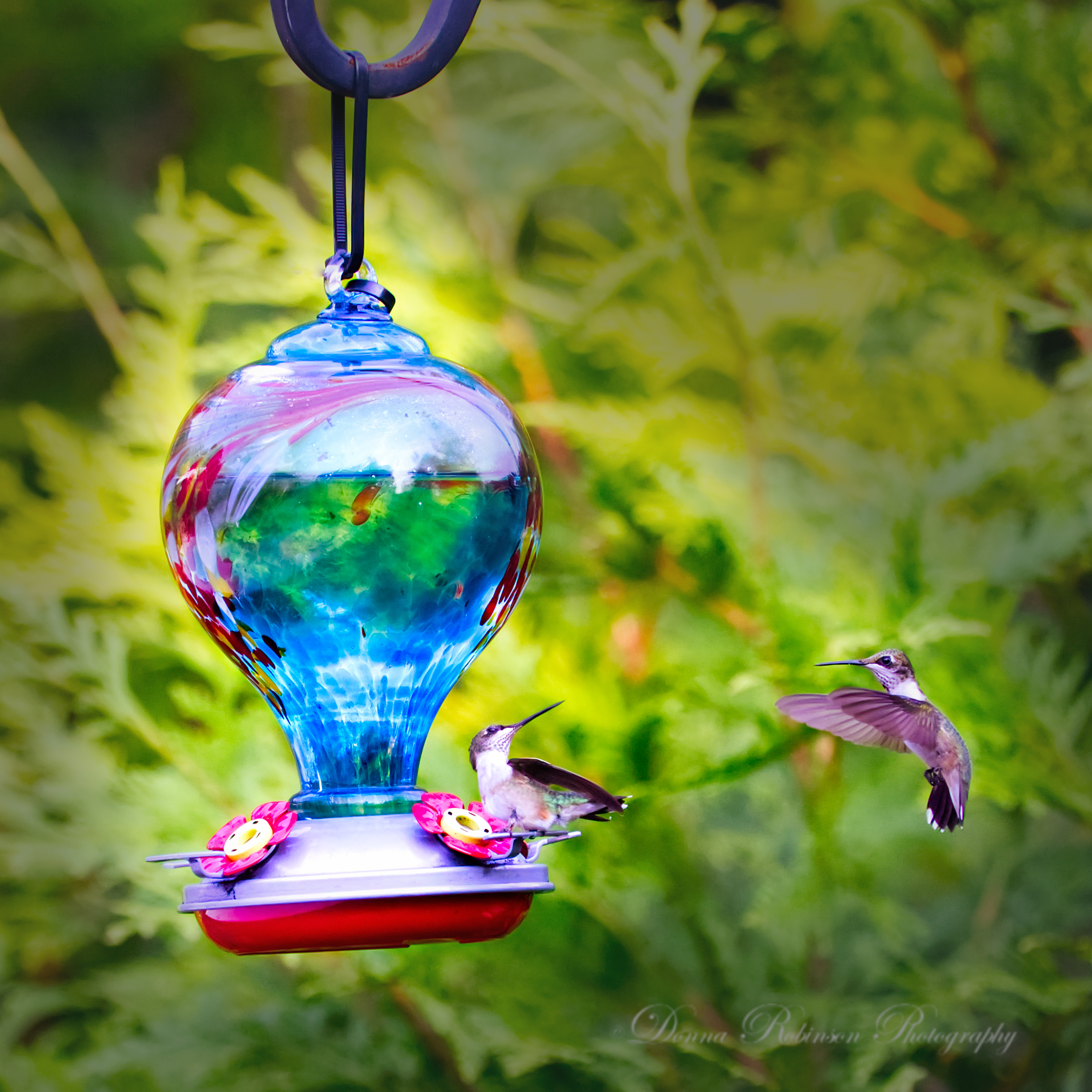
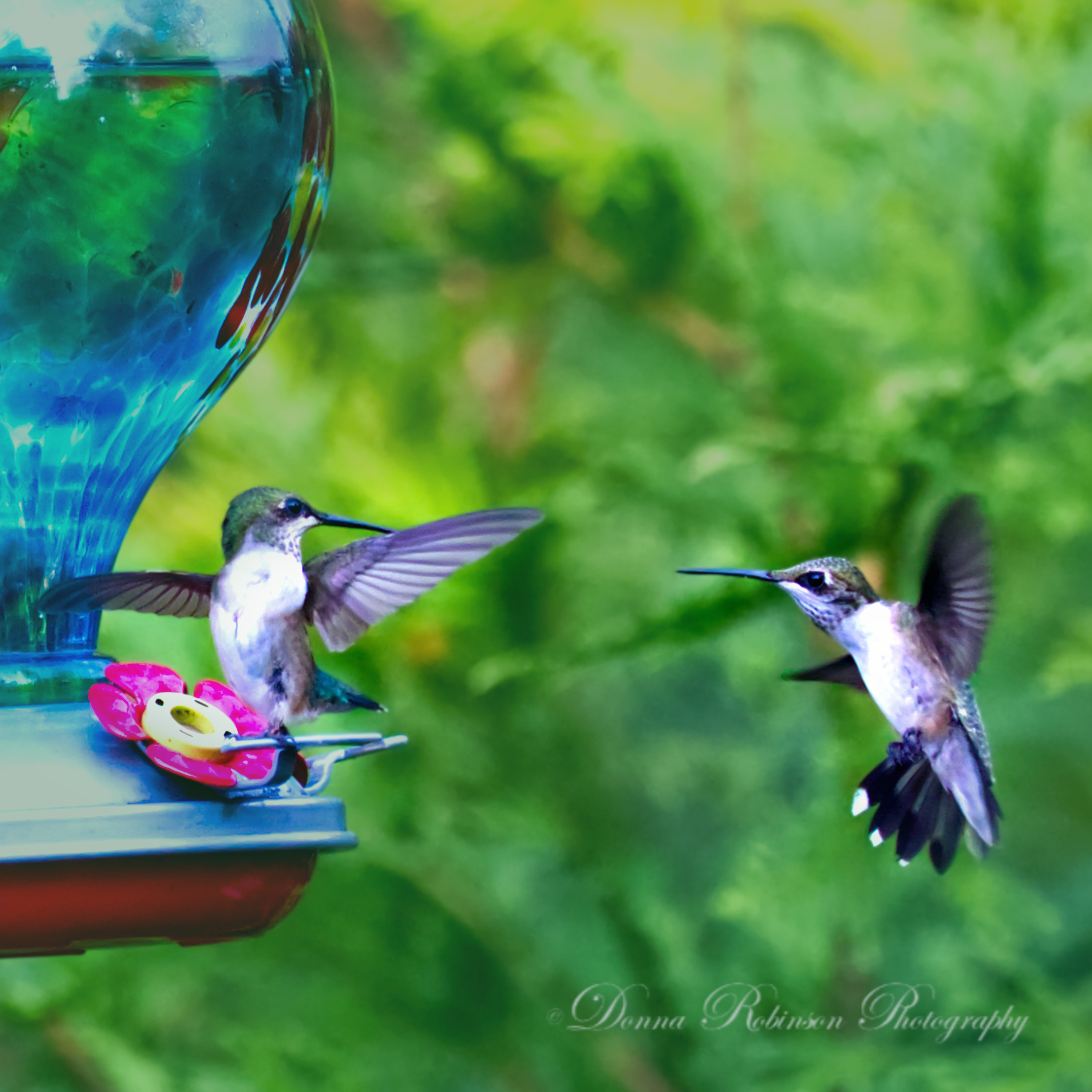
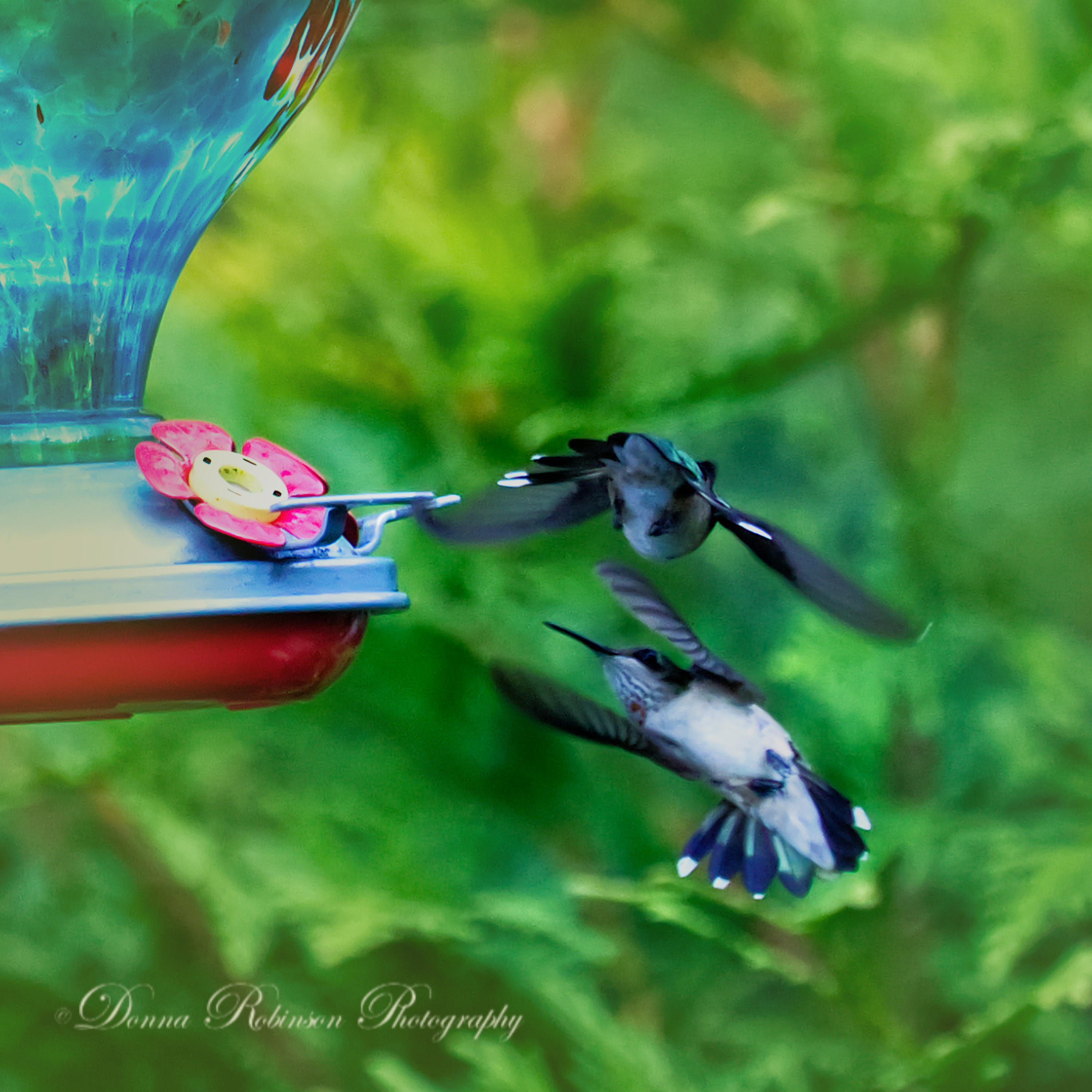
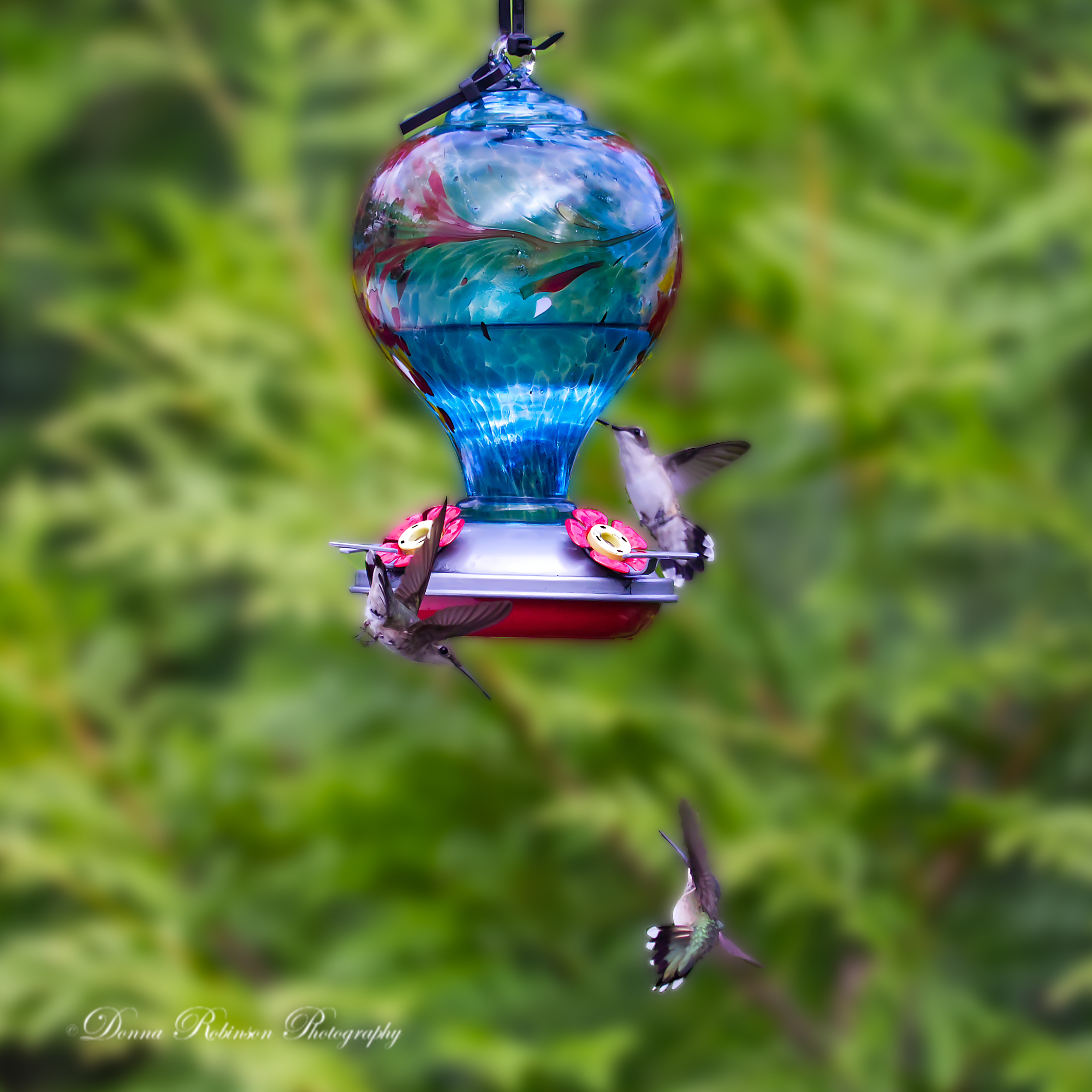
Happy Sunday, everyone! I’m still hanging out back with the bird feeders this week. There’s always lots of activity around them which makes for great photography opportunities.
Today, I’m featuring this cute fella which is a Tufted Titmouse. He’s a charming little songbird that belongs to the Chic-a-dee family.
According to Cornell Labs it can be found in the Eastern forests and is also a frequent visitor to bird feeders. An interesting fact about them, is they can’t excavate their own nest cavities. Instead, they are dependent on natural holes left by woodpeckers. I guess you could say this is a great example of “one man’s (um, bird’s) trash is another man’s treasure?!”
Hmmm. It looks like they’re also talented in gathering their food upside down. I really don’t know what this was about, but, hey it seemed to work for him. Who am I to argue?
“I asked a bird for advice. It said to just wing it.”
There was a group of finches hanging out at the feeder the other day. They all seemed to be having a good time, except for the middle one.
He was either uncomfortable with the company or was in a hurry to get to another feeder, because he never really settled in to eat, except for just a few bites.
As quickly as he arrived, he was taking off.
Oh well, nothing wrong with a little “dining and dashing.”
We have a VERY relentless squirrel hanging out around our bird feeders. He’s rather cute to watch as he comes scampering out of the woods across the lawn to the feeders. He even stops to snag a few droppings at the base of the feeders.
Quite honestly, I don’t understand why he feels the need to scale up the pole to the feeder. It seems to me it would be a whole lot easier for him to just grab from the leftovers. But hey, it is a squirrel after all.
He’s really quite funny to watch as he wraps himself around the feeder trying to get the optimal morsels of food.
Even the cardinal looks at little baffled as to why the squirrel is making it harder than it needs to be to get to the food.
Oh well, to each his own, “any which way you can.”
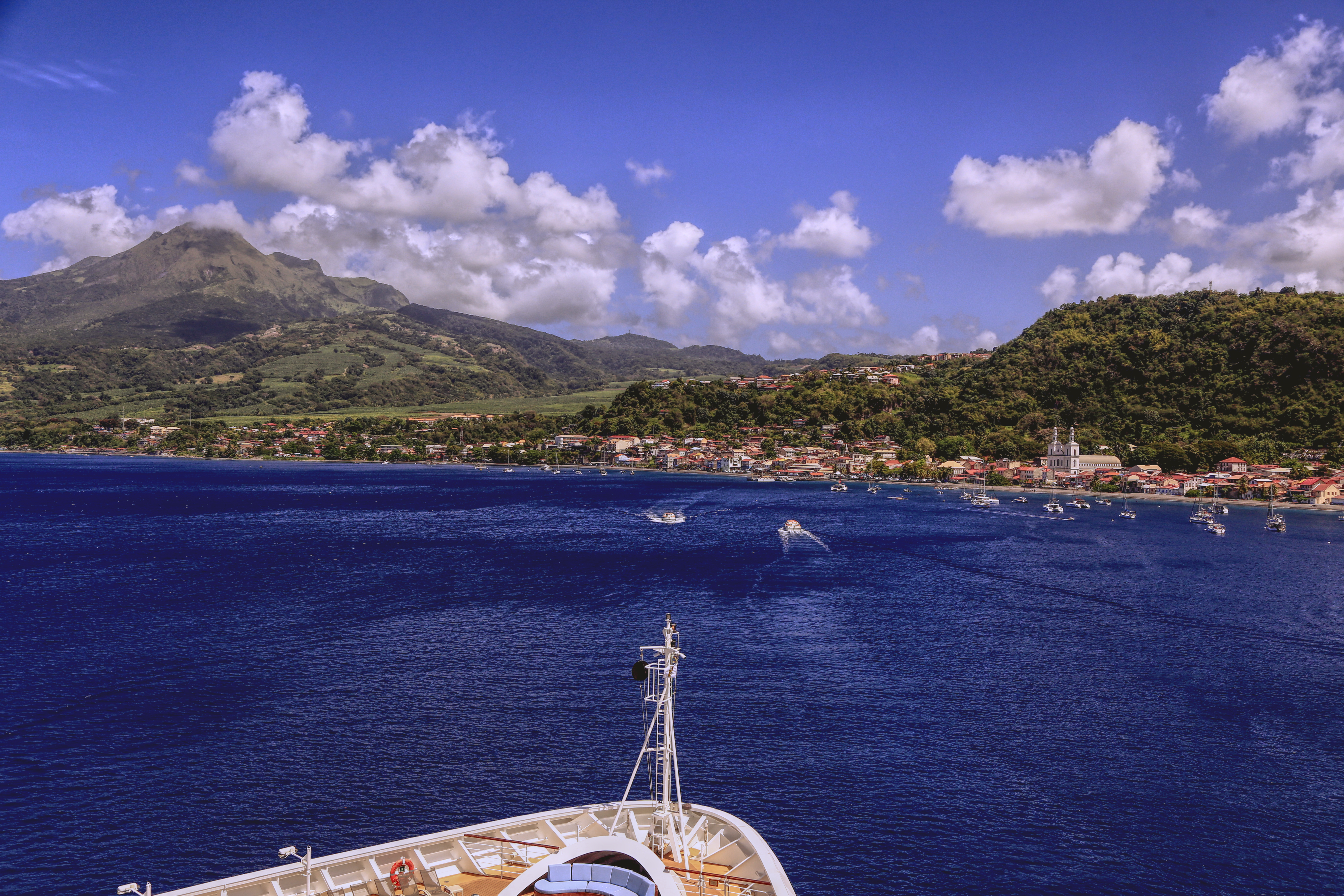
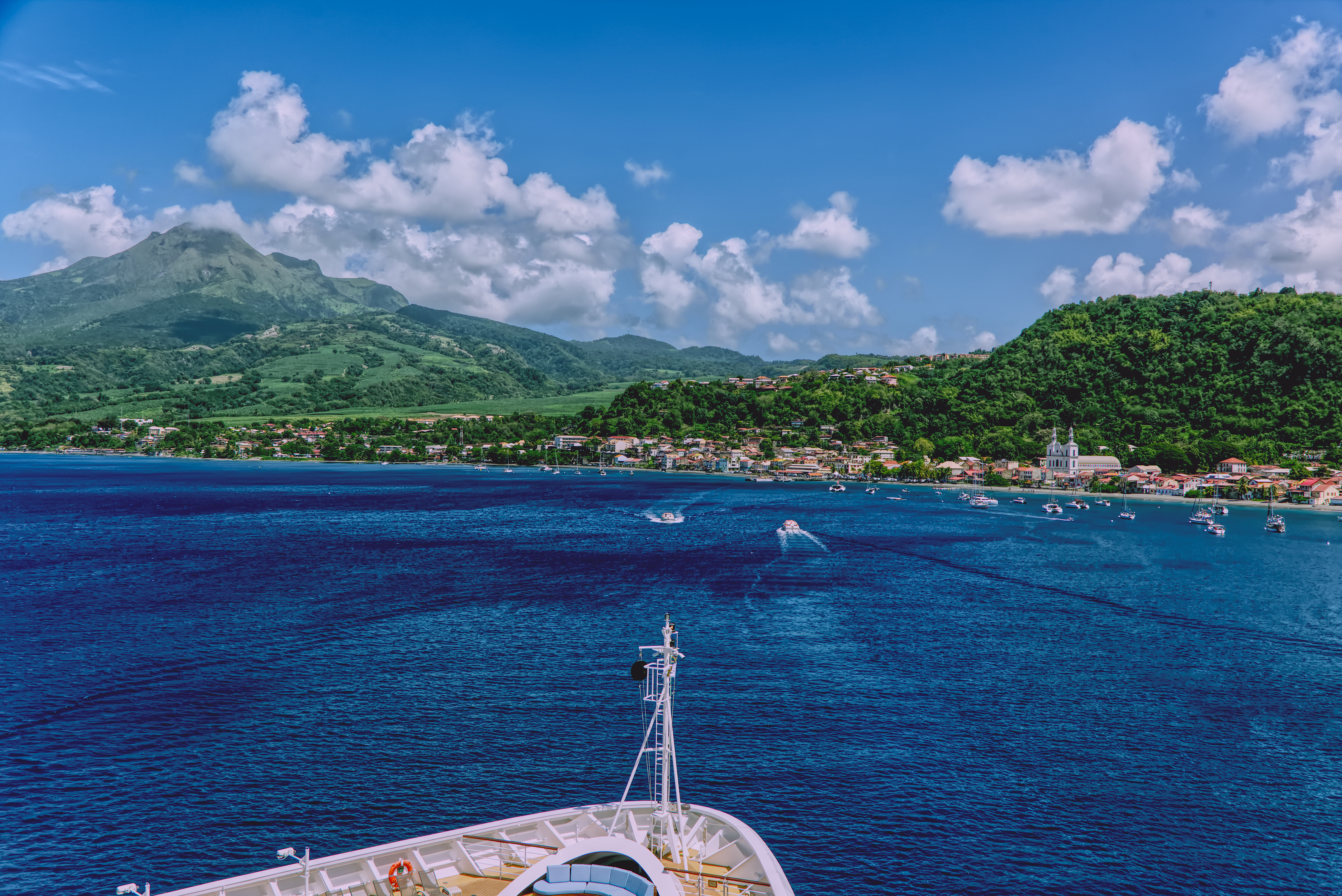
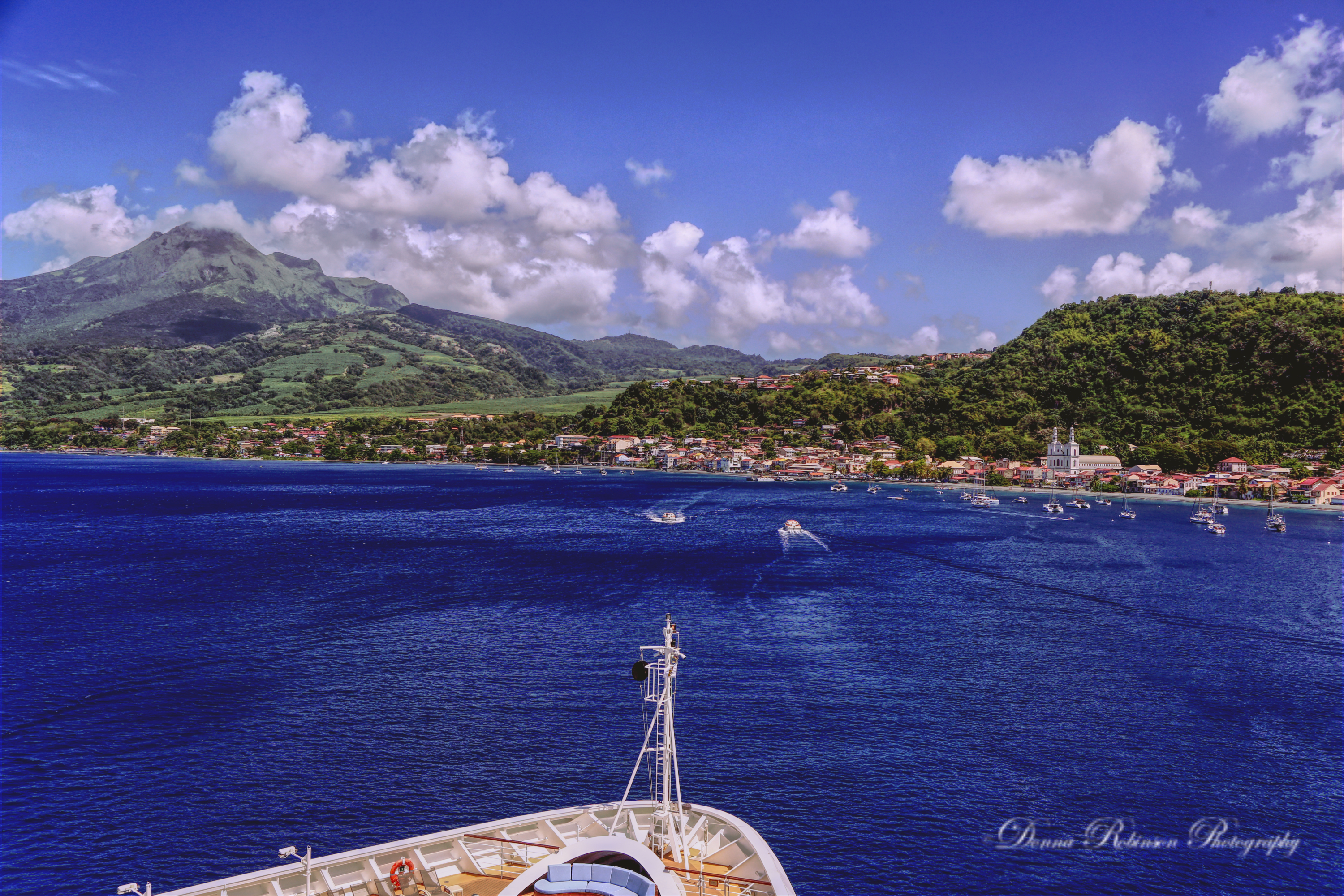
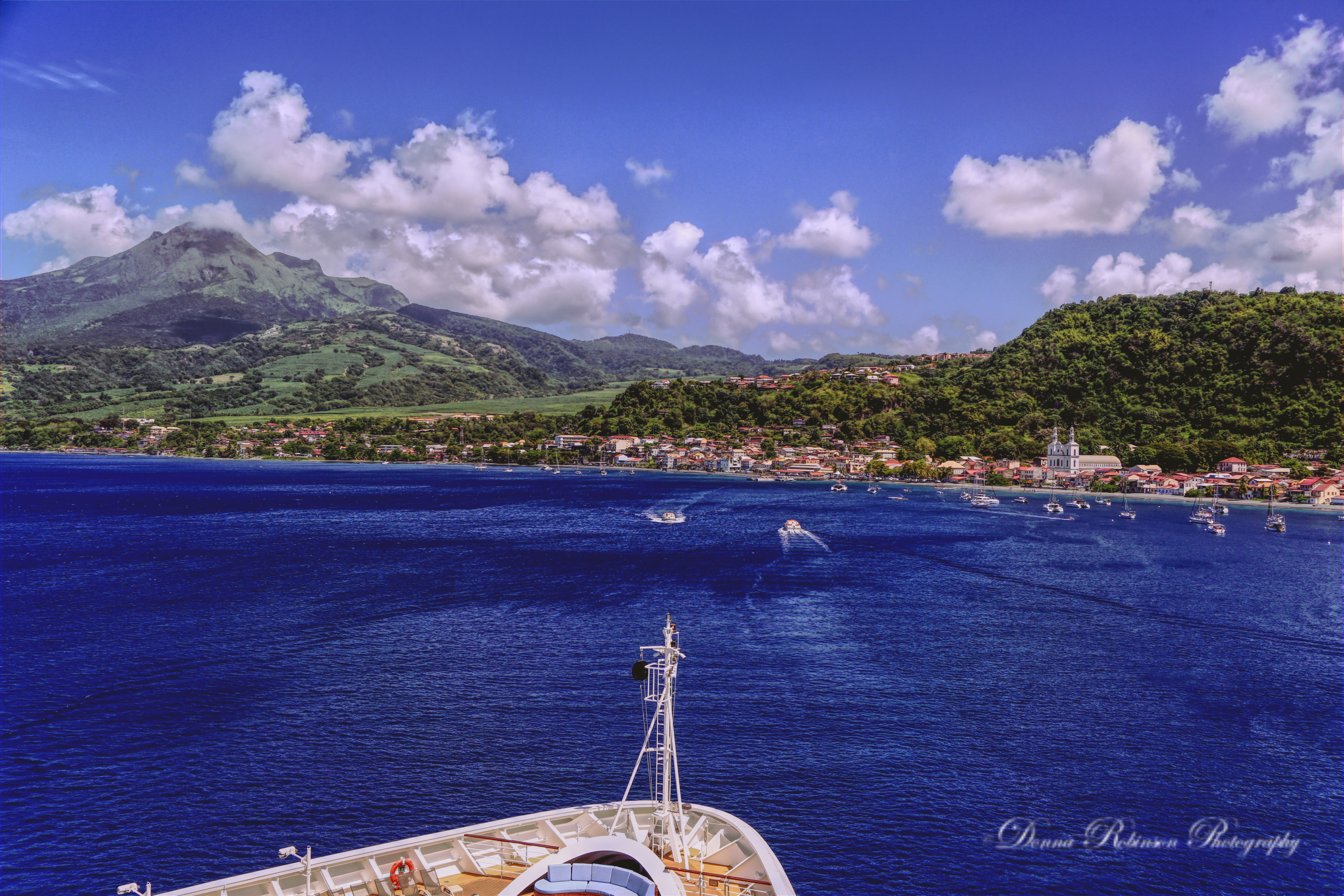
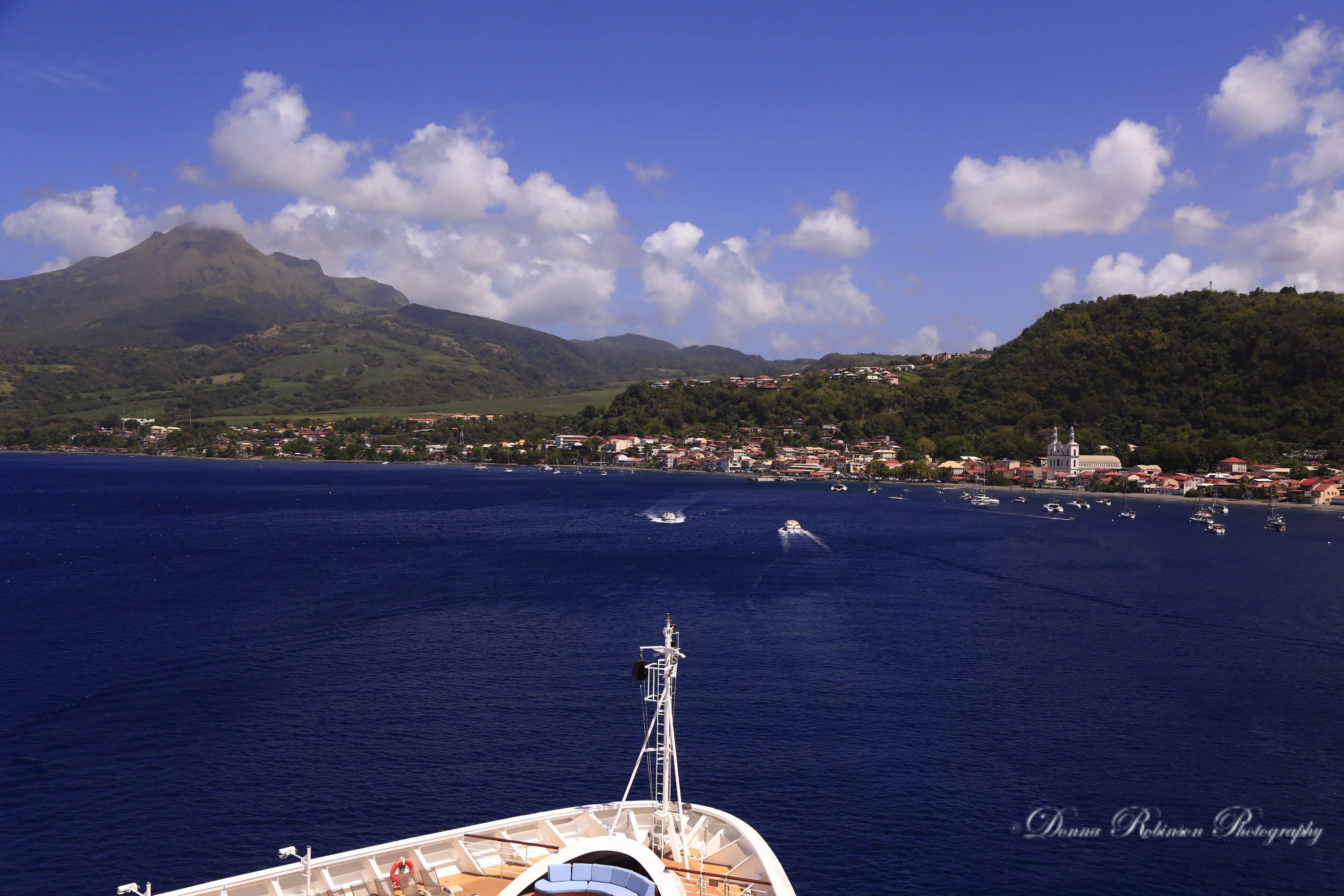
Back in February we took a much needed 7-Day Caribbean Cruise (more on that for another time). We started in St. Maarten and concluded in Barbados. The weather couldn’t have been more perfect, and the cruise itself was beyond our wildest dreams.
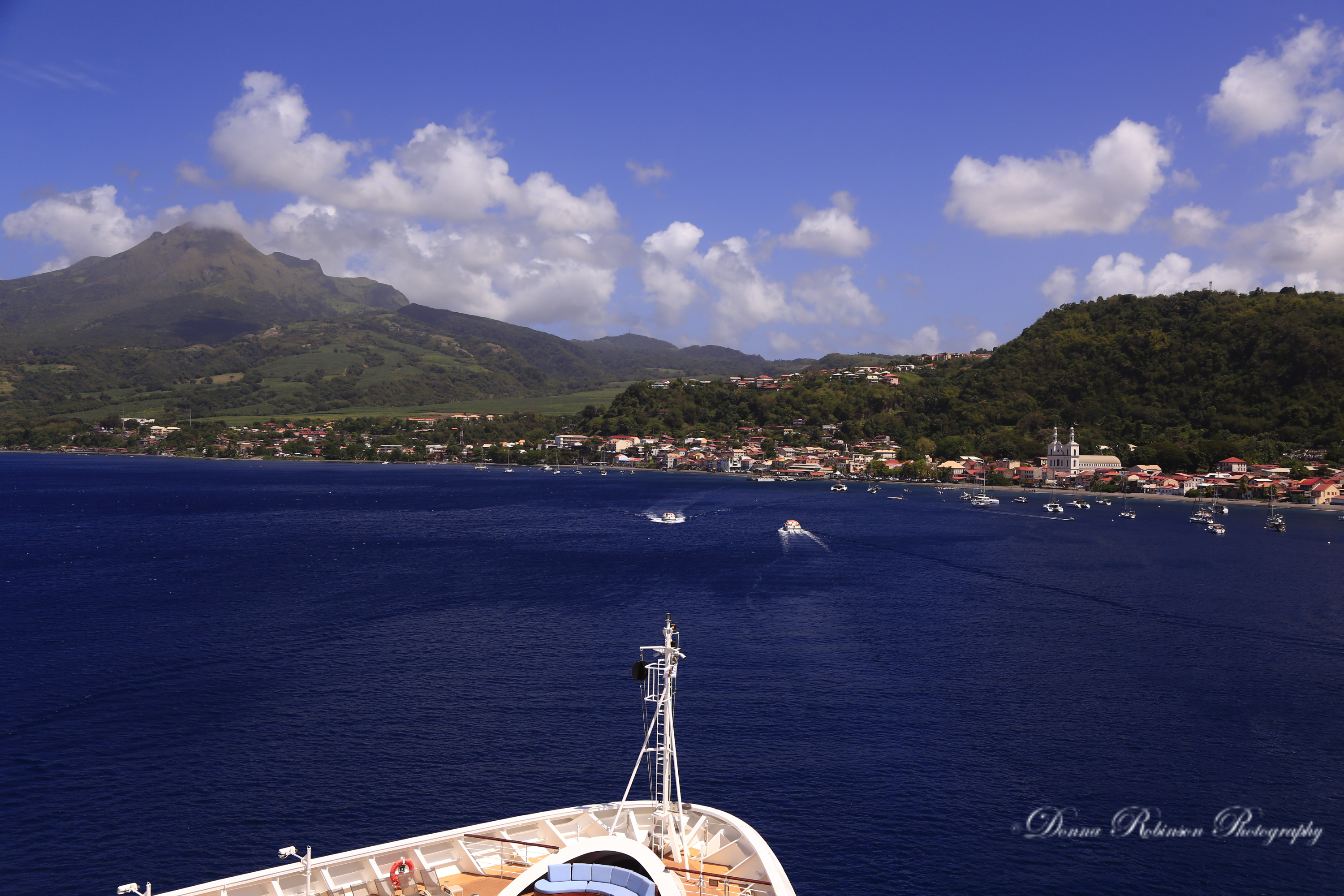
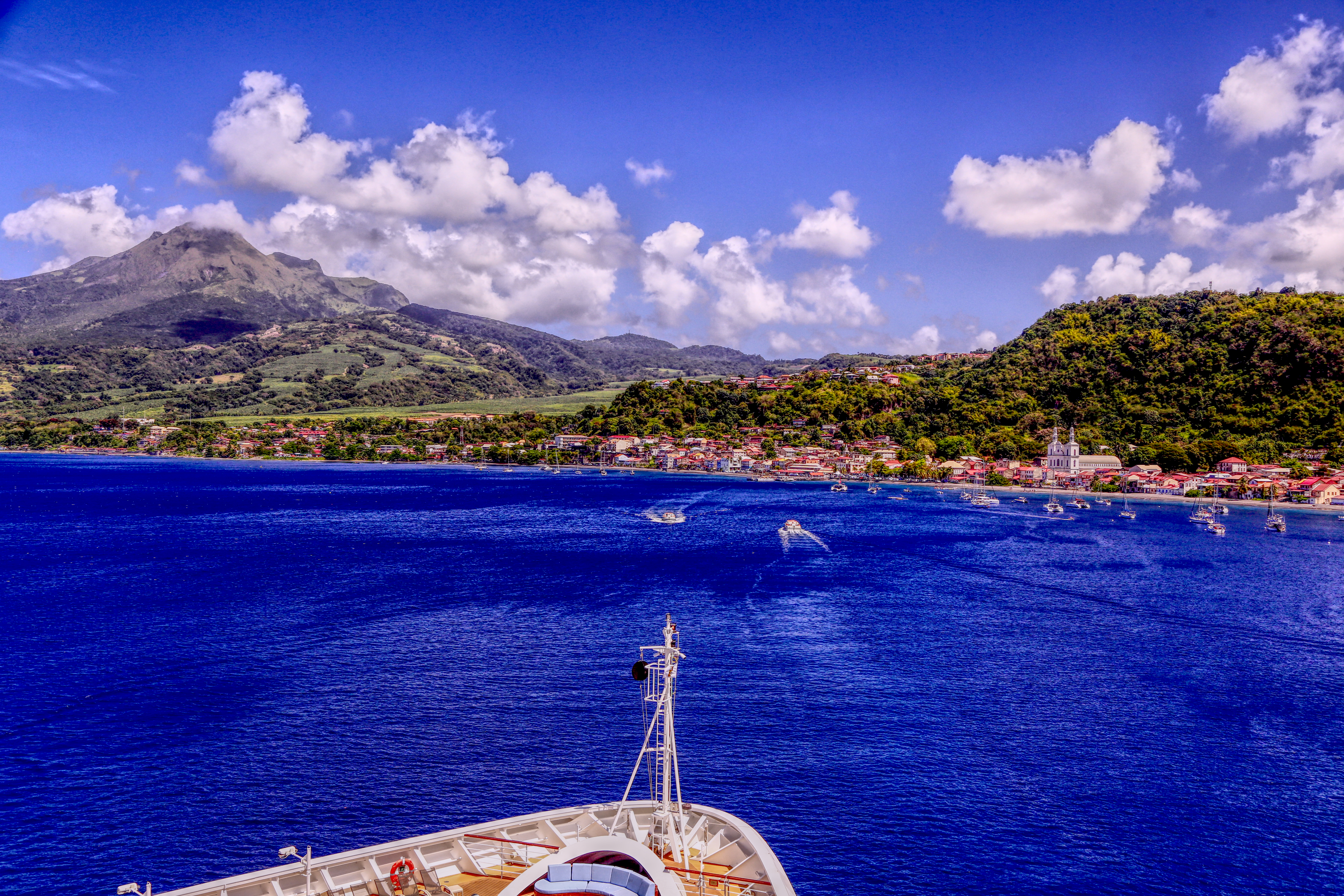
While we were docking into our next to last port of call in Granada, Michael and I were standing on the bow of the ship checking out the city. The colors and lines of the various buildings peppered the mountainside flowing, as if, into the blue waters of the Caribbean coastline.
As we scanned the landscape, we took note of a tree, standing tall on the highest peak of the horizon. A single tree rising up through the brush like a great conqueror of the mountain. Can you see it?
Fortunately, I had packed “the big lens” and was able to zoom in closer.
With the exception of what looked like new, seasonal growth, it was fairly bare compared to the rest of the landscape growing at its base.
Very quickly, and almost in the same breath, Michael and I both commented that it would make a great black and white photo. And so, I switched up my camera settings and took a few shots using the in-camera monochrome setting.
It isn’t a bad shot, but even with some basic modifications it just seemed flat and a little generic. It wasn’t the dramatic, storytelling shot I had envisioned. The clouds to the left of the tree really irritated me in black and white.
So, I went back to the original color photo and played around with the editing settings. After several edits I finally landed on what feels like the tree took on a whole new dimension. Plus, an added bonus of no more clouds to the left of the tree. What do you think?
There’s a lot to be said for the “picture within a picture.” As photographers we learn that multiple perspectives can be found in a single image. This image started out as a landscape photo of the city of Granada and ended up telling a “story” about a single tree off in the horizon.
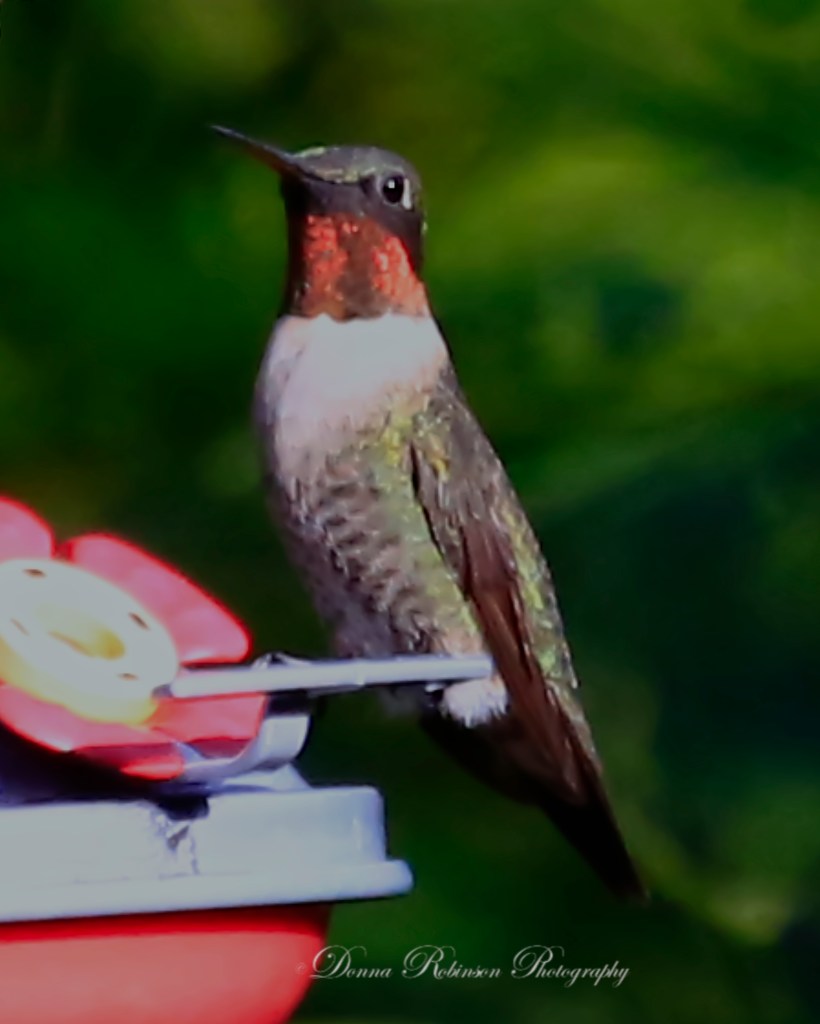
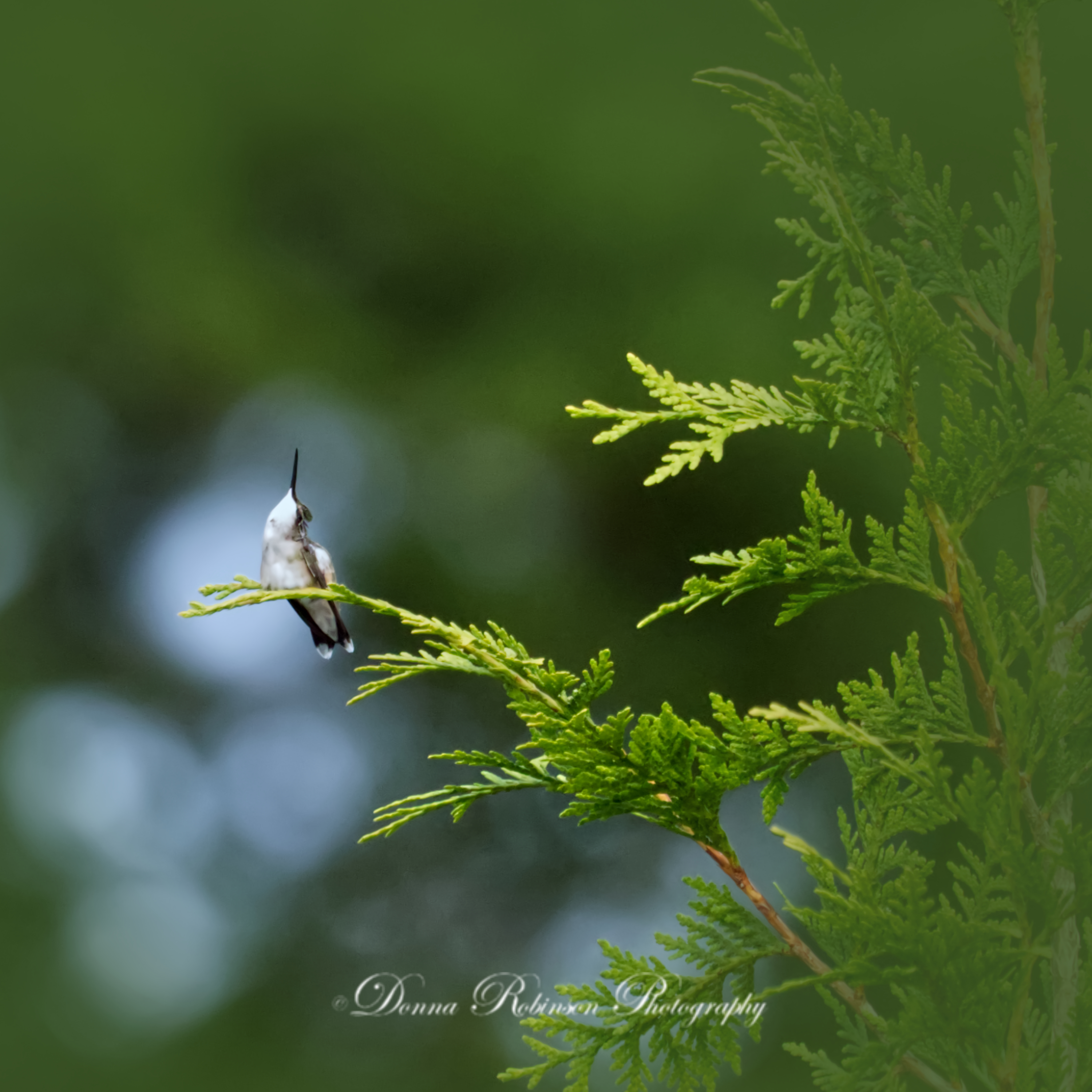
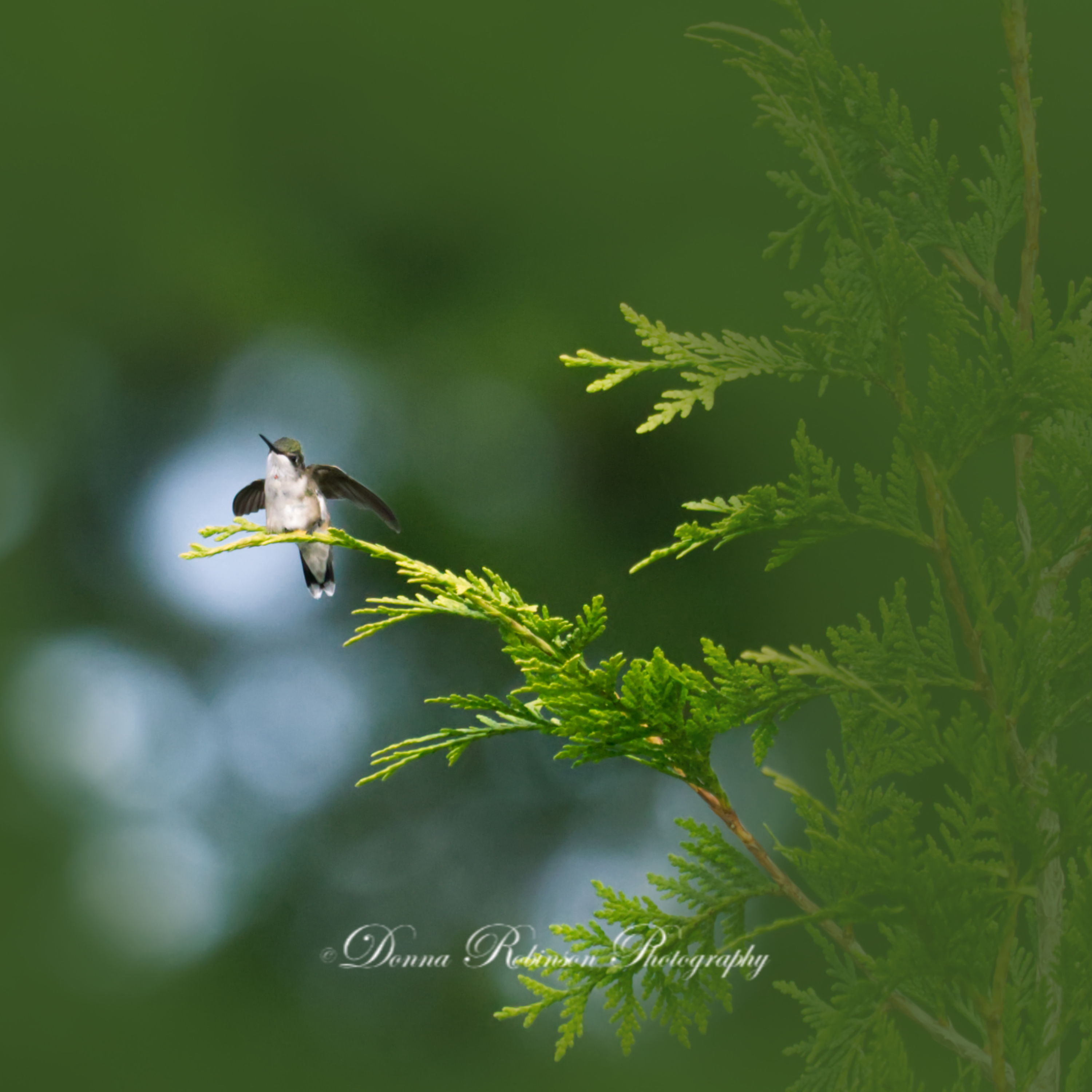
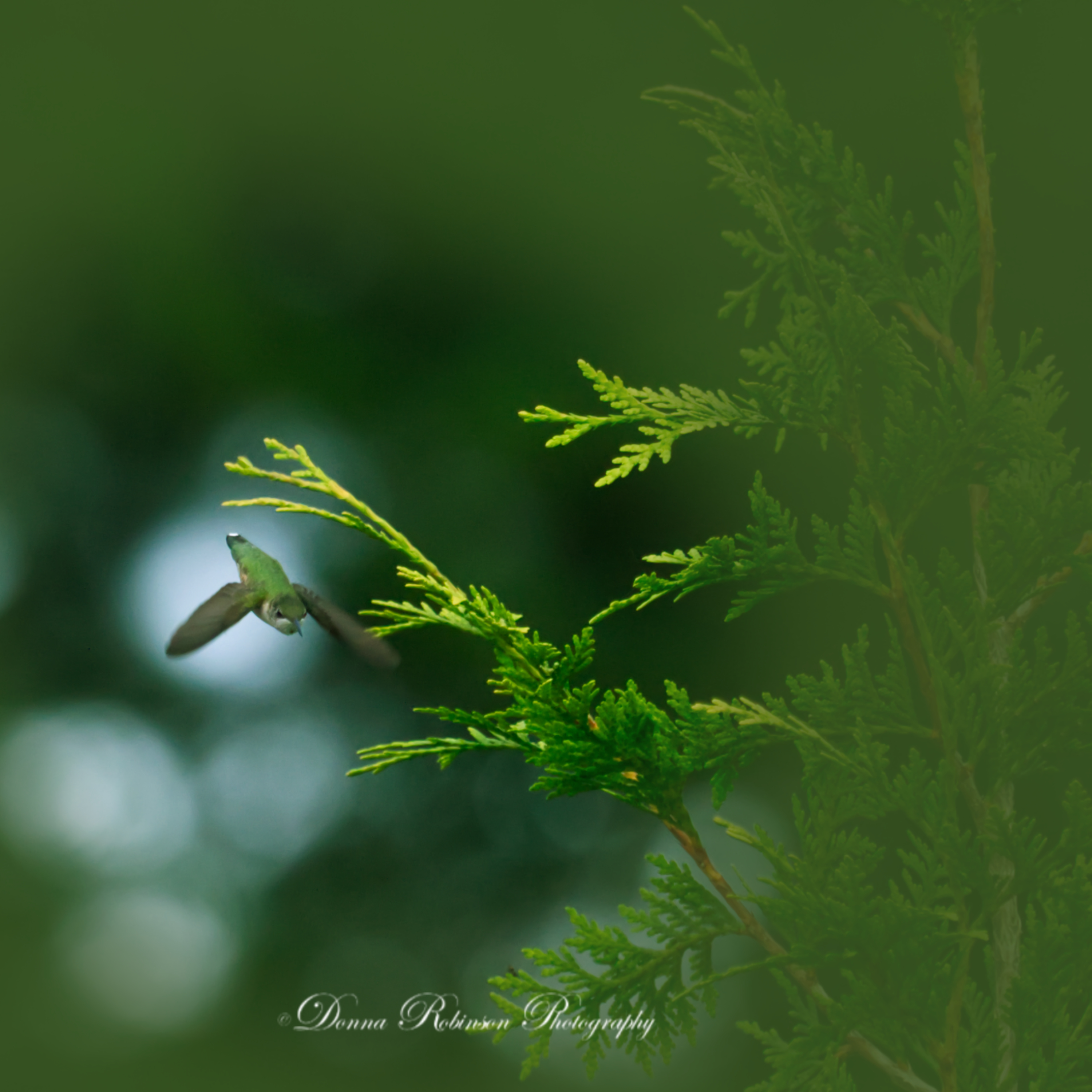
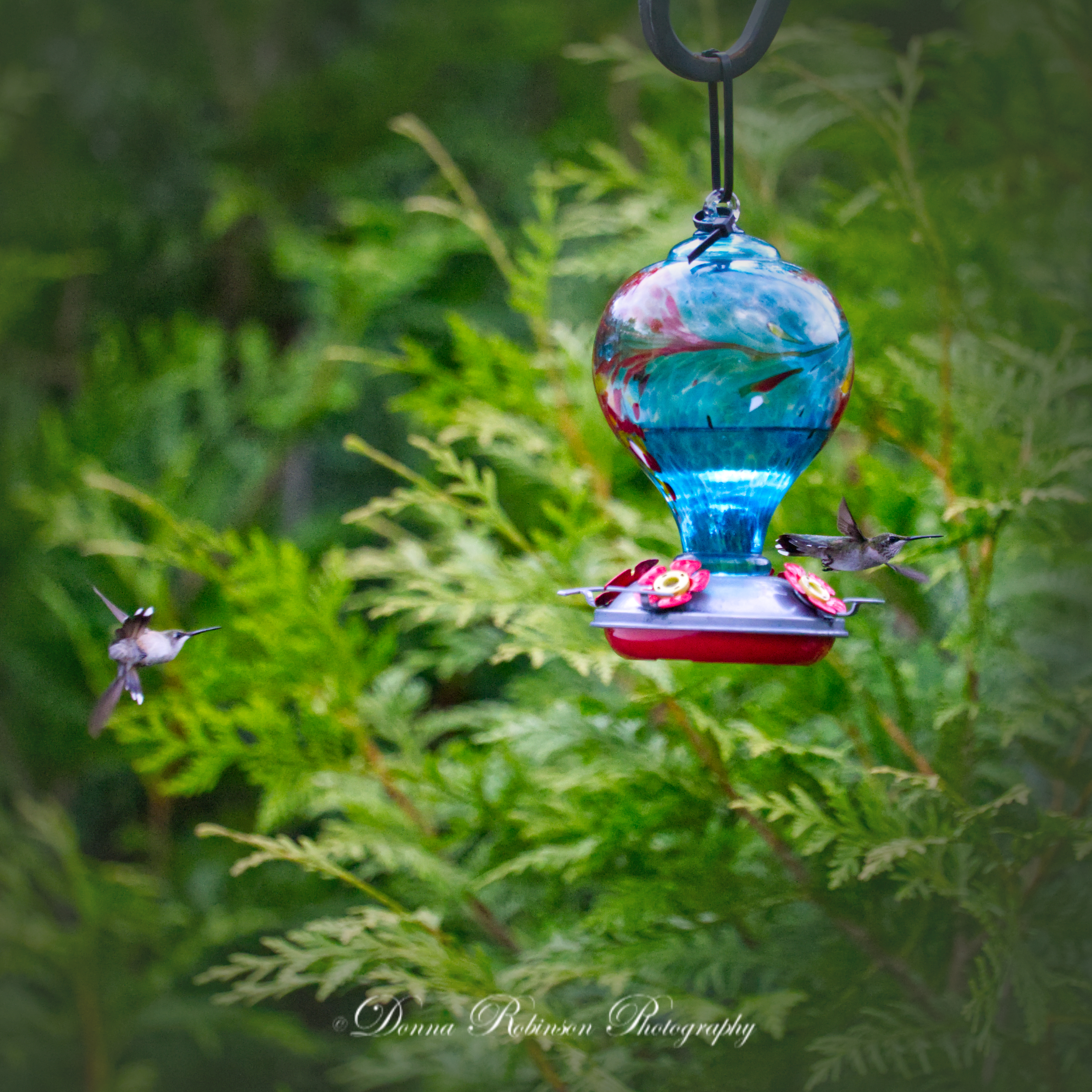
I don’t know if he was intentionally trying to hide from the other birds or not, but this little guy sure did give it a good try. So much so, I had a really hard time keeping the lens focused on him. You can tell because these photos aren’t as sharp as I would like.
This is one (1) of three (3) American Goldfinches we have visiting our yard this year.
Field Notes: F Stop 1/3200, AV 5.6, ISO 5000
Did you know the American Goldfinch is the state bird of Iowa, New Jersey and Washington?
Field Notes: F Stop 1/3200, AV 5.6, ISO 5000
They are also strict vegetarians in the bird world, eating an entirely vegetable diet albeit swallowing an occasional insect.
Field Notes: F Stop 1/3200, AV 5.6, ISO 5000
A breeding male Goldfinch can be identified by their bright yellow and black foreheads, black wings and white markings. They also breed later than most North American birds and wait to nest until June or July. This is the optimal time when milkweed, thistle, and other plants have produced their fibrous seeds, which goldfinches build into their nests and to feed their young.
Field Notes: F Stop 1/3200, AV 5.6, ISO 5000
I’m hoping to capture more of these little birds this summer. They always brighten my day.
Until next time,
~donna
Species Information Source: Cornell Lab – All About Birds
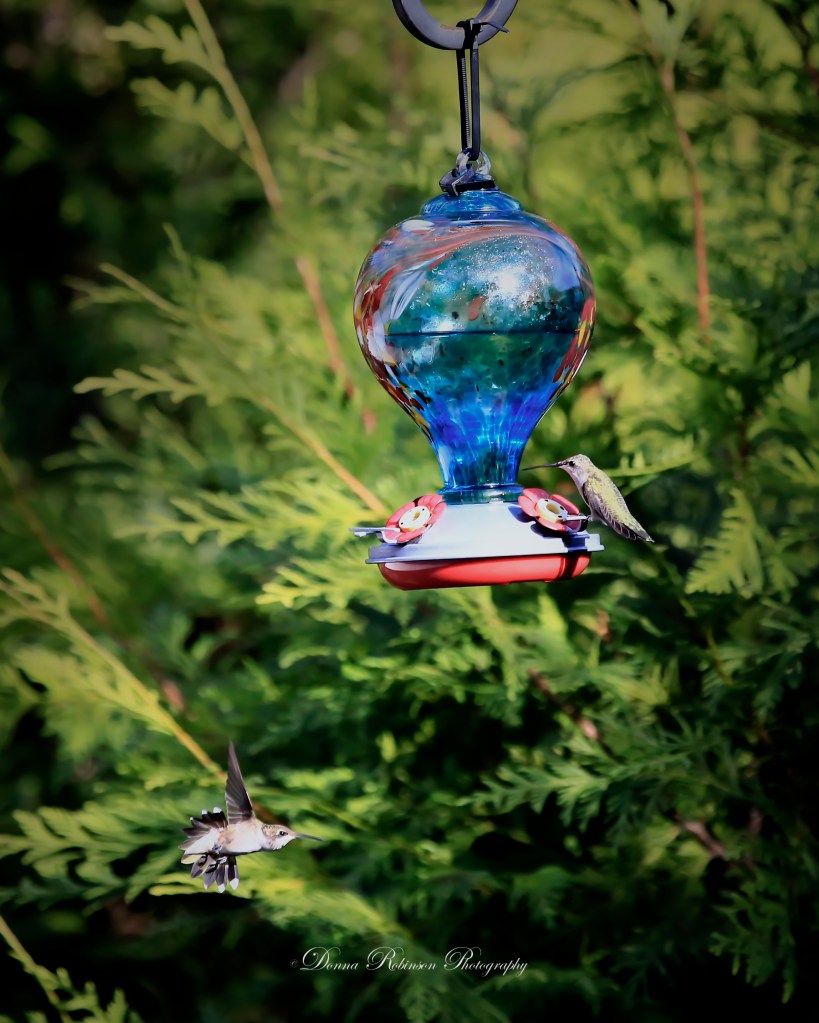
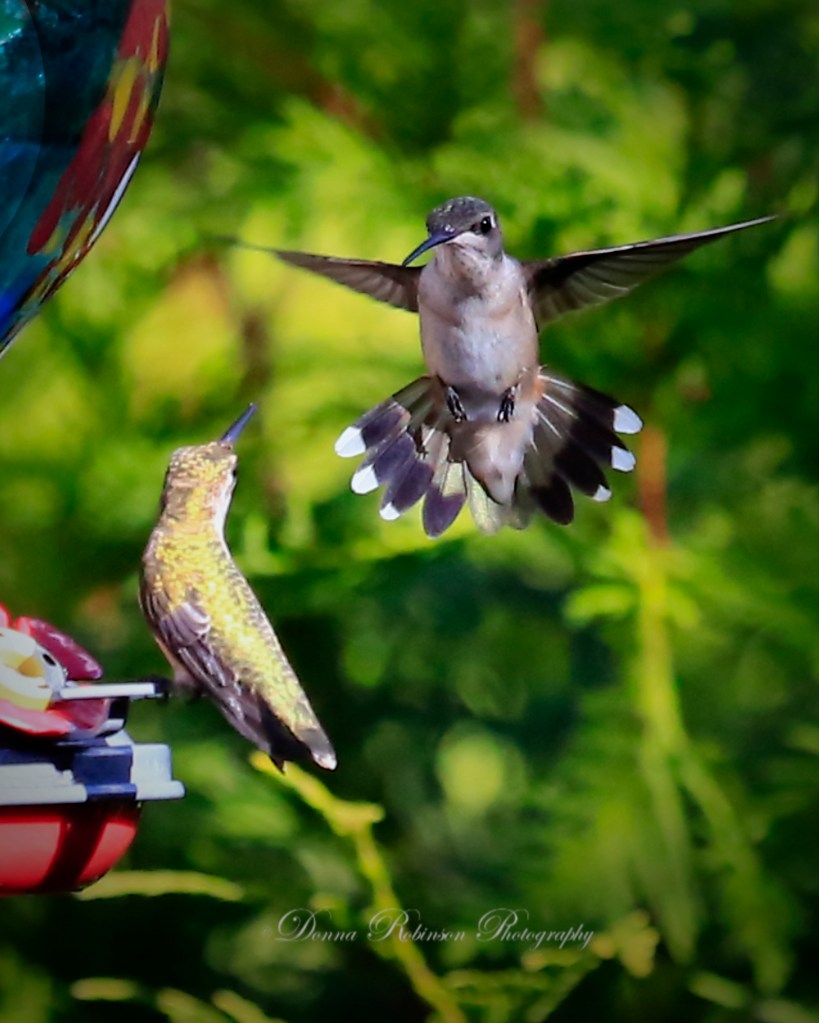
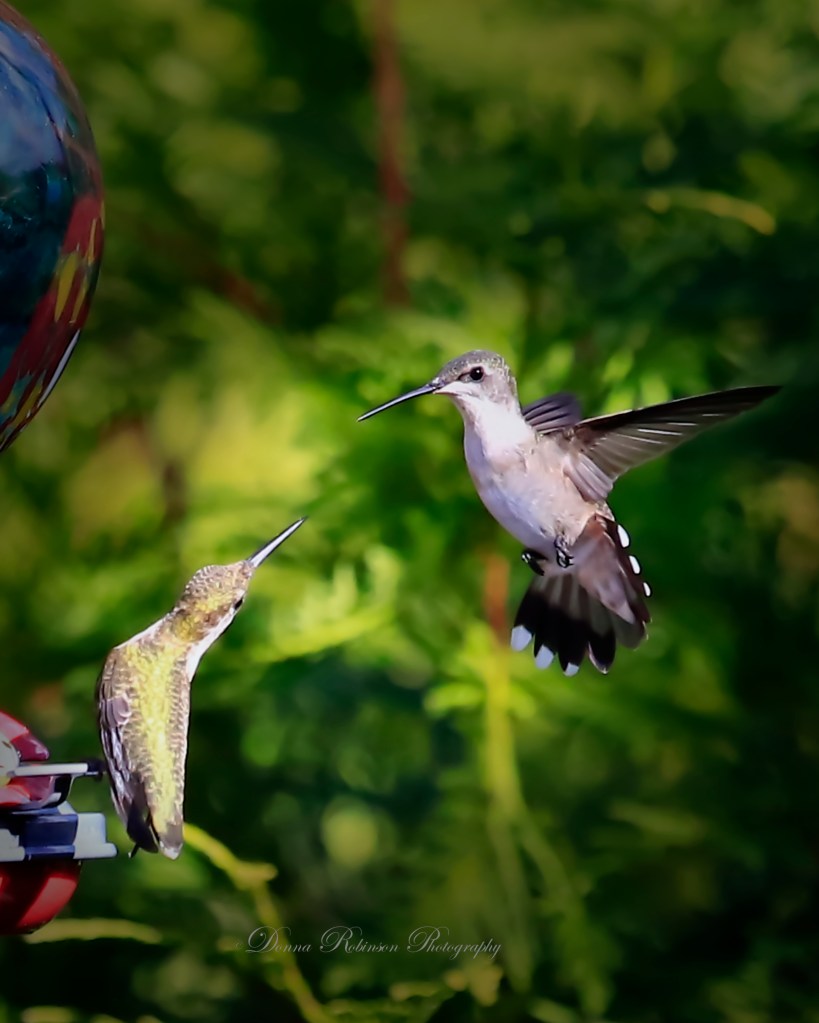
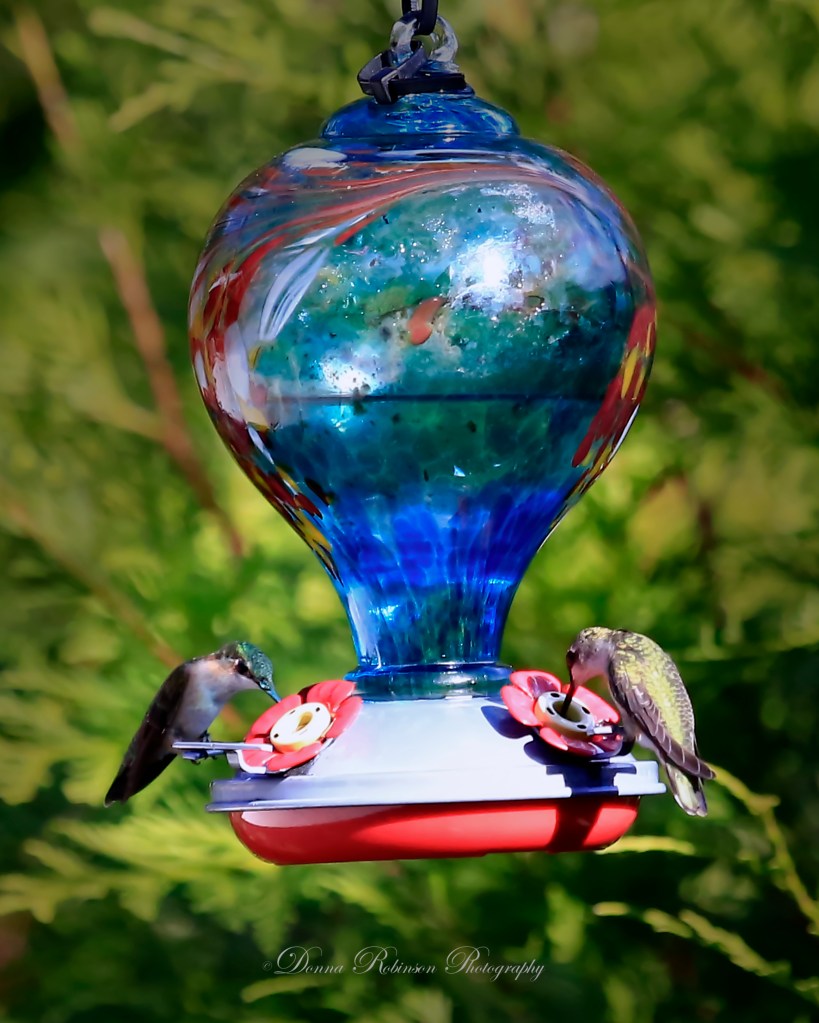
Spring is finally here and time to begin the afternoon birdwatching. Our backyard is full of all kinds of birds, especially house finches and we’ve made it very attractive for them with our new bird feeders.
I started to caption this “dinner for 2,” but they looked more like they were dancing (probably more like fighting) for their space at the dinner table.
As I sit here writing this post, most of the U.S. is buried beneath snow.
Our daughter, son-in-law and grandkids, who live in South Carolina have already received 8″ of snow and are expecting more throughout the night. Our son and daughter-in-law who are loyal parents to our oldest granddaughter’s traveling volleyball club are also knee-deep in snow somewhere in the middle of Tennessee. For us, we dodged winter storm “Gianna” with just a few snow flurries and frigid temps. January is definitely going “out like a lion” in 2026.
But the birds certainly didn’t mind the snow flurries and cold weather. The feeders were very active this morning.
This cardinal pretty much sums up how I feel right now with 22 degrees and wind howling outside my door……brrrr.
As pretty and cleansing as snow is, I’m finding the older I get, the only “white stuff” I want to see, is the sandy, beachy kind, where the weather is warmer and I can run around in flip flops. I guess for now, until I can find that “one particular harbor” I’ll stay nestled indoors by a warm cozy fire watching the birds forage for food in between the snowflakes.
I never know what we’ll stumble upon on our Saturday excursions. This weekend it was an unexpected, faded Coca-Cola sign painted on the side of an abandoned building. This building was located in the small community of Kenwood, which is located in Fayetteville, GA. I wish I could make out the name of the establishment, but I’ll settle for the “Drink Coca-Cola” advertisement. Afterall, being a Coca-Cola retiree after 35 years, the nostalgia of the brand still runs deep in my veins. 😉
The image was taken with my Samsung 20 Galaxy Note phone. I brought it into Affinity Photo 2 for some minor adjustments and an added vignette.