Anne challenges us this week with one of my all-time ICM (Intentional Camera Movement) techniques……Zooming. It’s fun, challenging and the results can be quite spectacular. You can learn more about the specific technique in Anne’s post.
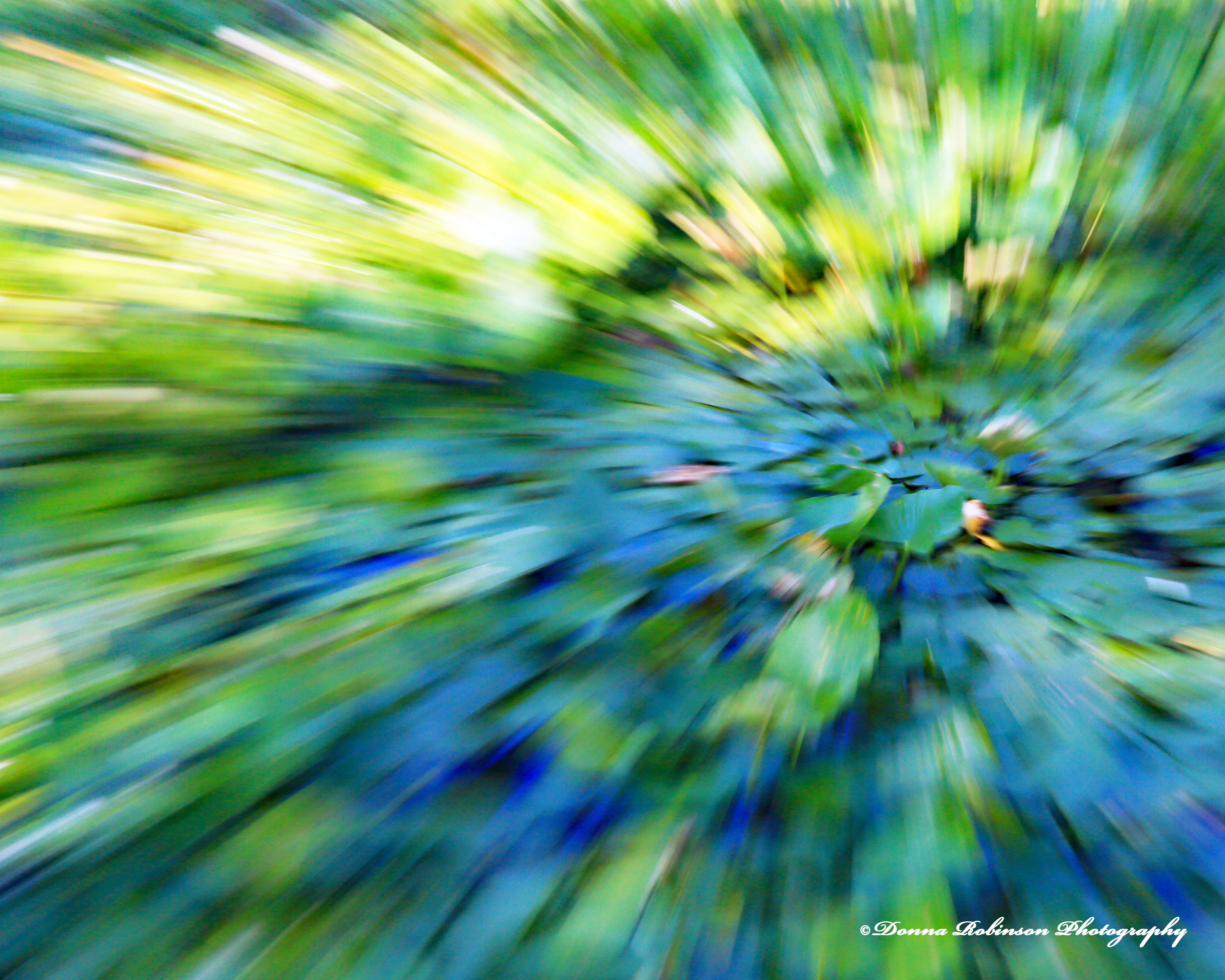
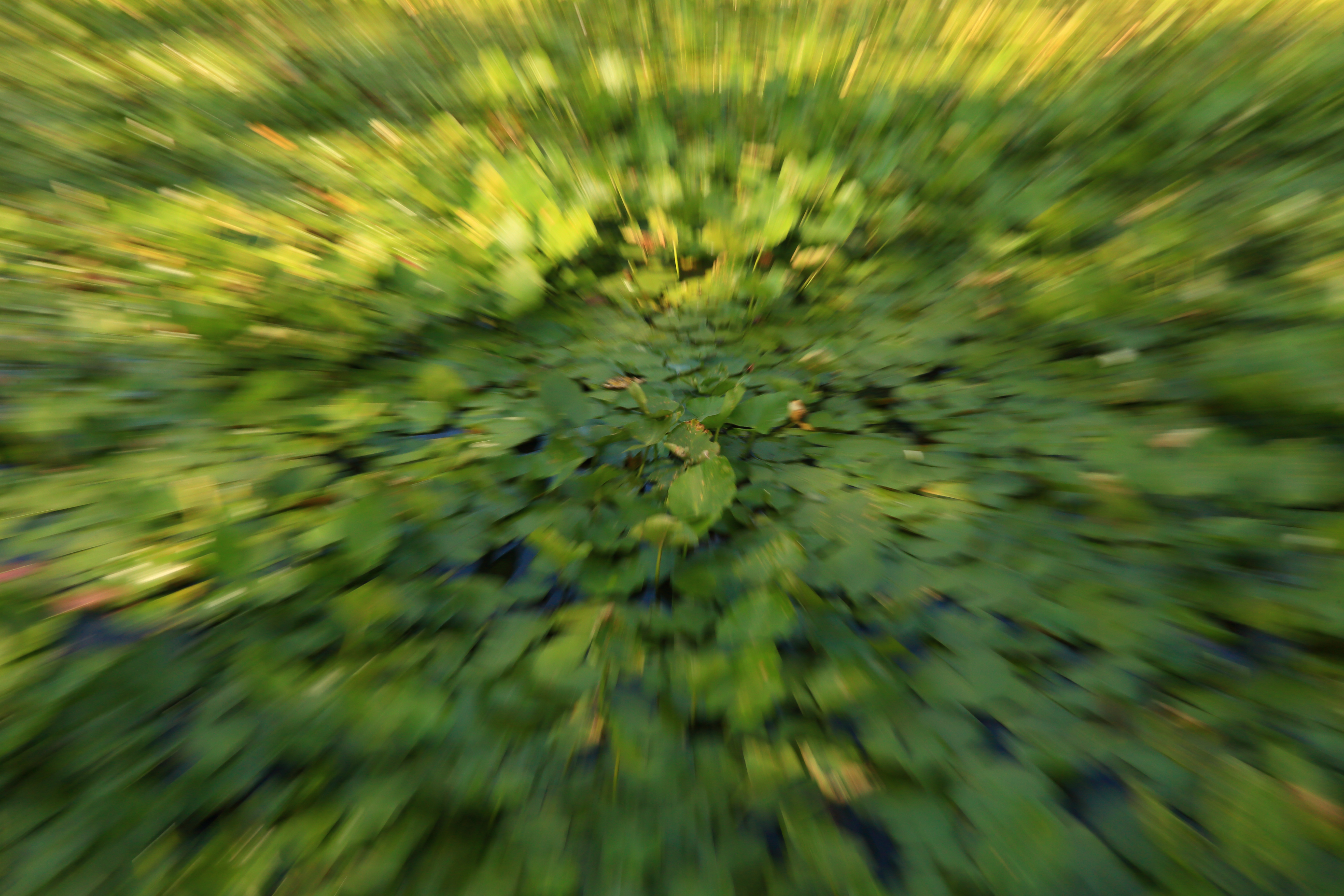
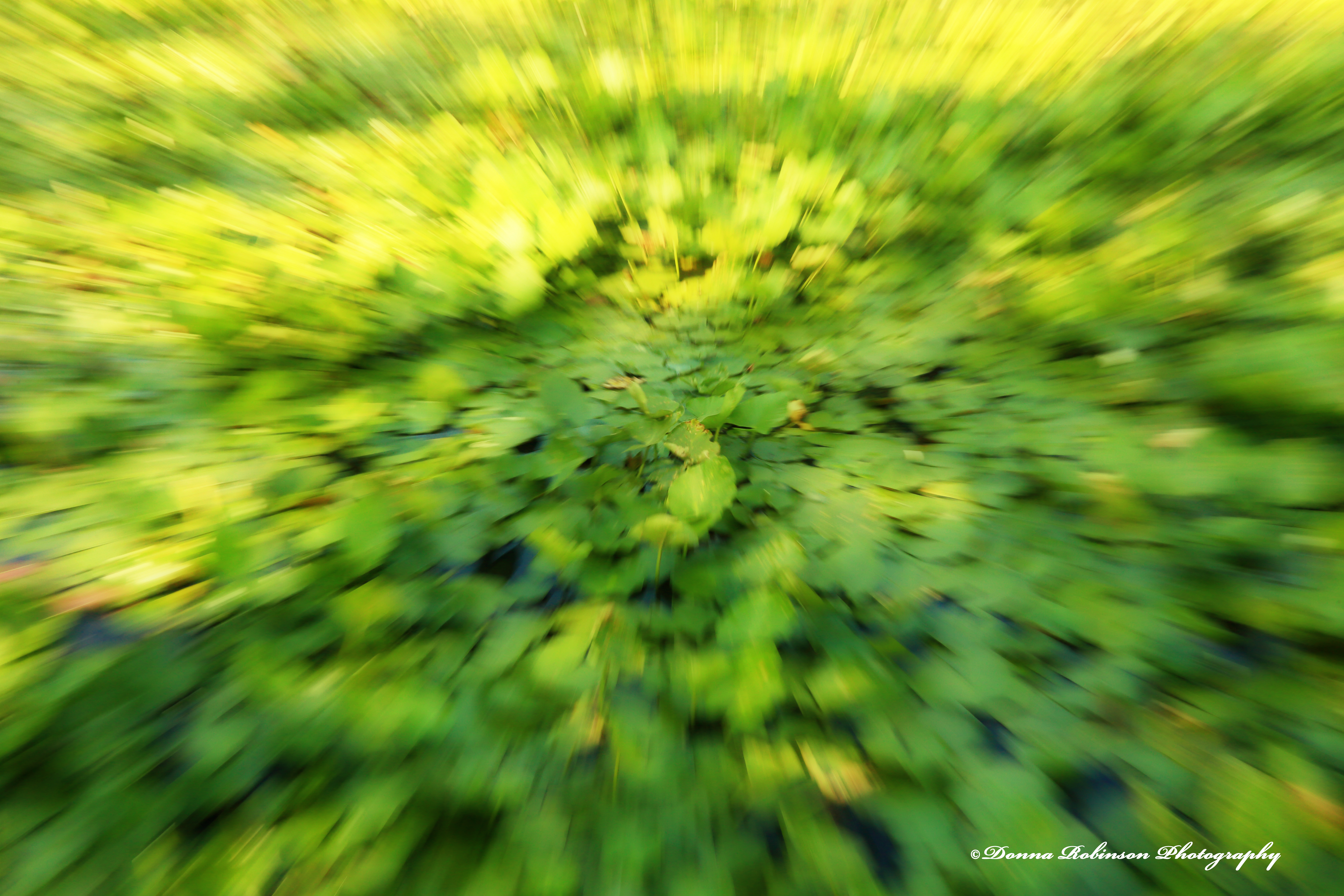
It’s been a while since I played around with zooming, so when Anne’s challenge came out, I took the opportunity to take some new images. It took me a couple of shots to get the hang of it again, but I really like how these Lilypad images turned out.
In the first image below, I like how a single leaf is in focus and the rest of the leaves show increasing movement from there.
Creatively cropping your images can also give you some added depth and movement. The image below reminds me of a kaleidoscope.
There are so many fun things you can do when editing your zooming images. In the photo below, I applied the “Orton Effect” and also added a little more blur. I like the brighter, dreamy look to the image on the right.
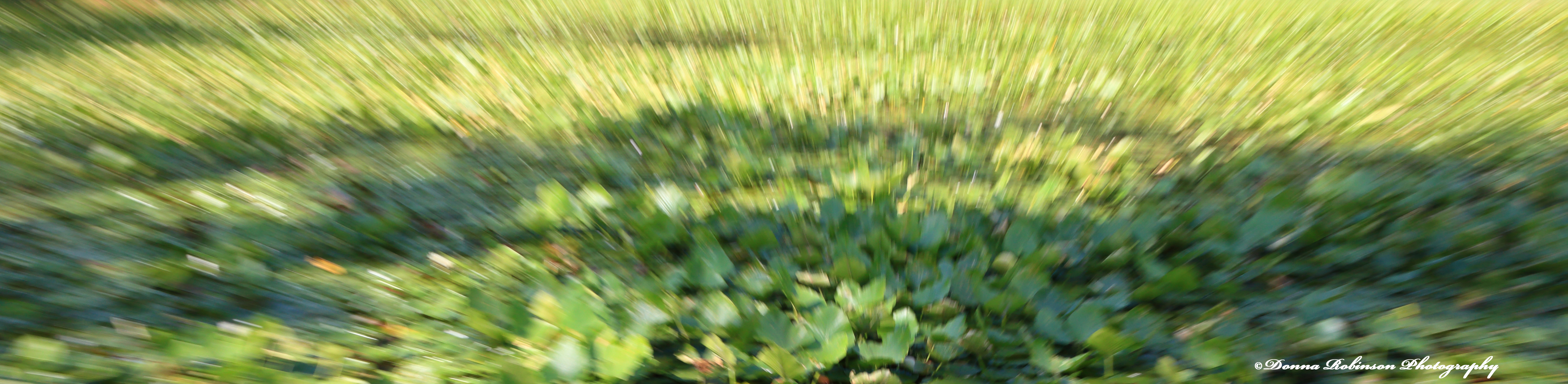
For my last image, I have cropped it a little differently and applied a “watercolor” texture. I feel like I’m in the middle of a wheat filed with the one on the right.
Thank you, Anne for the reminder of this fun technique. I can’t wait to keep applying it to other photos.
Ritva leads next week so be sure you’re subscribed to her site The World as I See It when she posts the challenge Saturday, noon EST.
“There is nothing in the world so irresistibly contagious
as laughter and good humor.” ~Charles Dickens
Tina leads this week and invites us to share some humor with our photos, by providing our first reaction. Many times, when I capture photos of birds or animals, I already have some catchy caption in mind. Follow along and you’ll see what I mean.
Let’s talk about horses. Those wonderful, graceful creatures that have deep souls and sometimes quirky personalities:
“I sure do wish the judges would hurry up! I’m sleepy.”
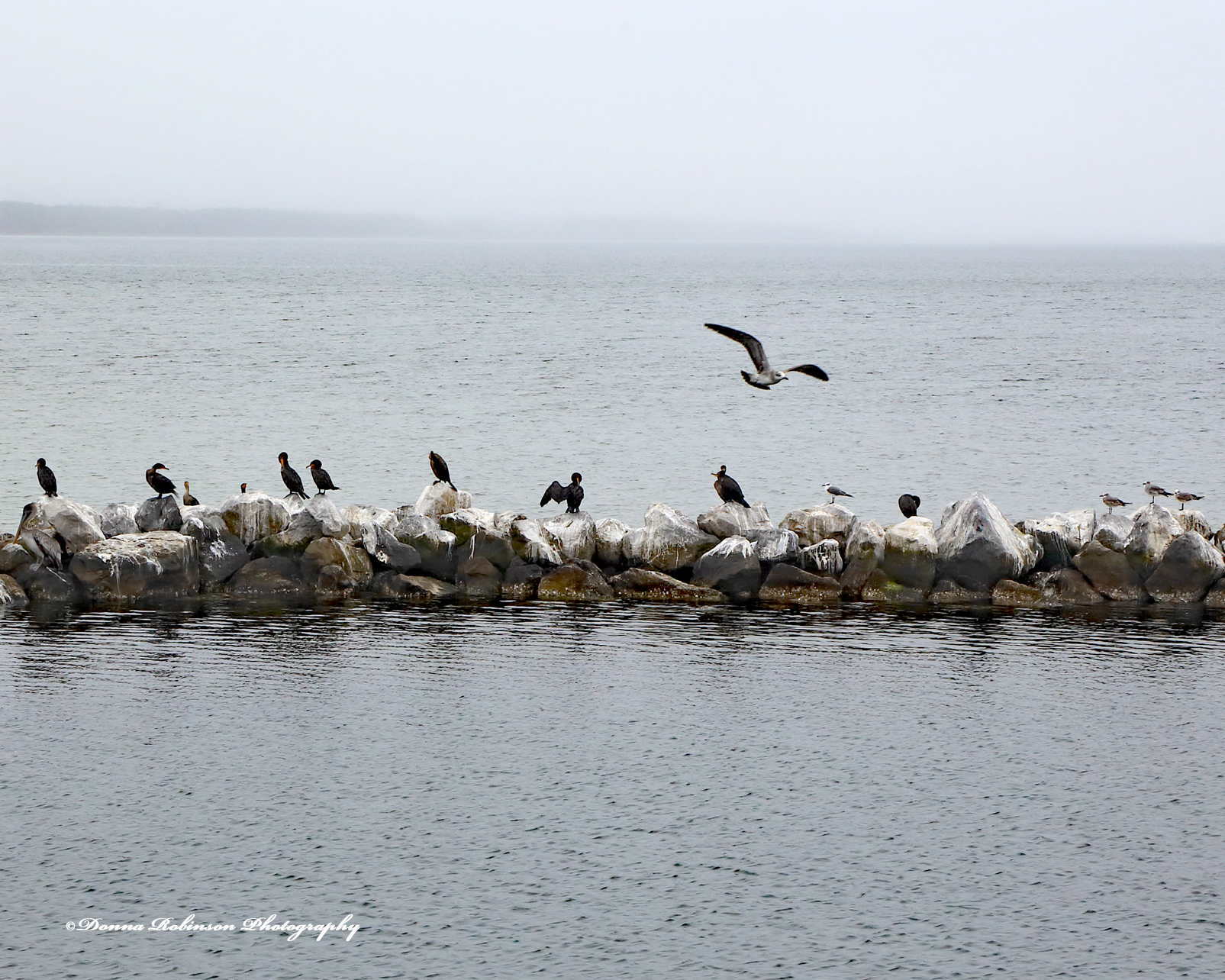
Who says birds have to be “of a feather” to flock together?
Meeting of the Minds
Perhaps they’re also a little on the shy side and like hanging out by themselves, especially during bathtime.
Splish Splash I was Taking a Bath
“If we couldn’t laugh we would all go insane.”
~ Robert Frost
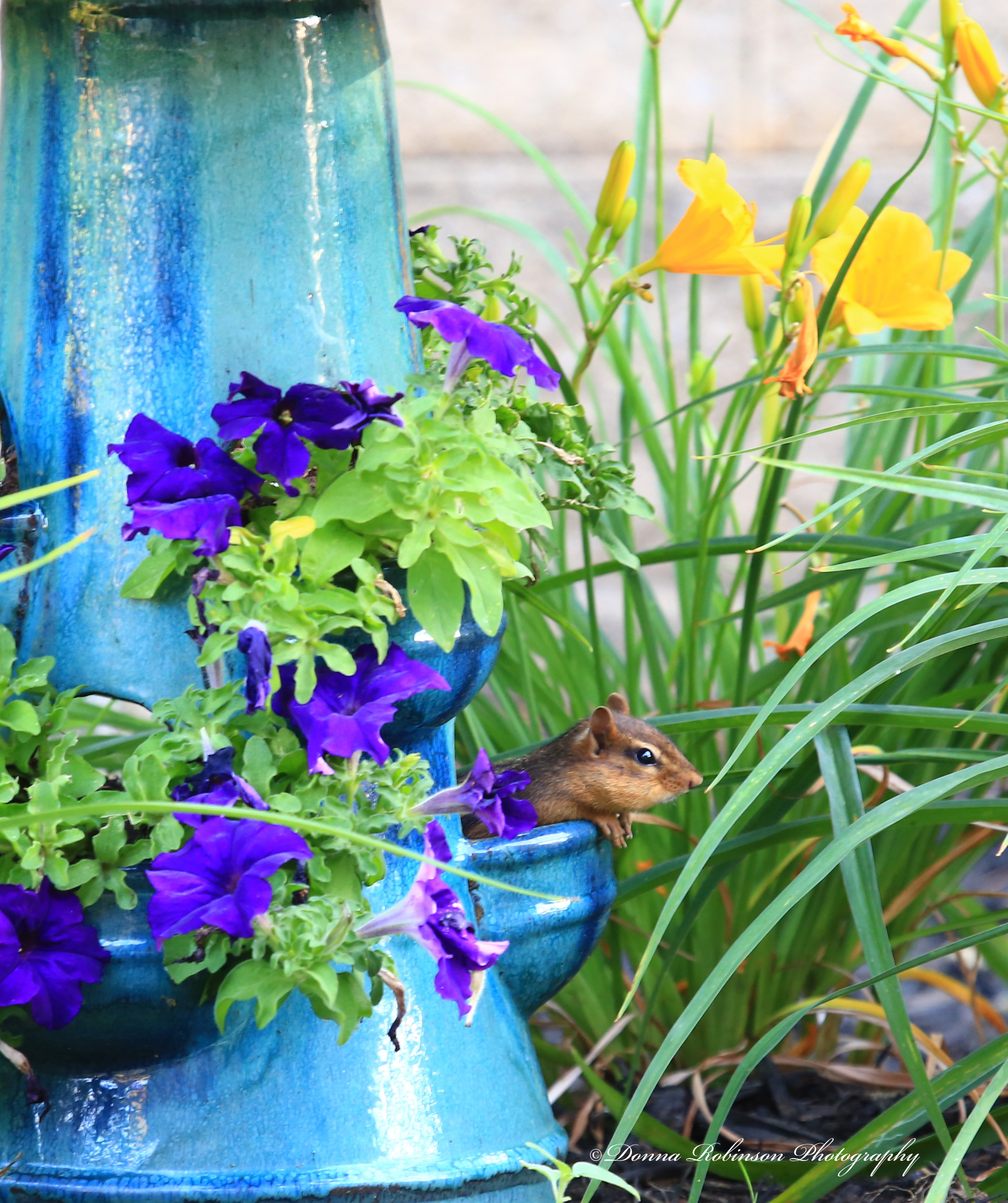
Let’s not forget the chipmunks. We could sit for hours watching them scurry around the yard gathering food.
Peek a Boo!
Dogs do the darndest things, too!
Always Waiting on a Woman
Thank you, Tina for encouraging us to find the humor in our images.
If you’d like to participate in this week’s challenge, be sure to link back to Tina’soriginal post and use the Lens-Artist Tag.
Did someone say, “break the rules?” Why, YES! Yes, they did! Ritva leads this week, and she is challenging us to break the rules of photography! As Ritva goes on to say in her challenge, “Photography is as much about emotion and instinct to me as it is about technical skill. In those moments when we abandon the constraints of traditional guidelines, we open ourselves up to unexpected and beautiful outcomes in my case many times by mistake.”
So, what rules have I broken?
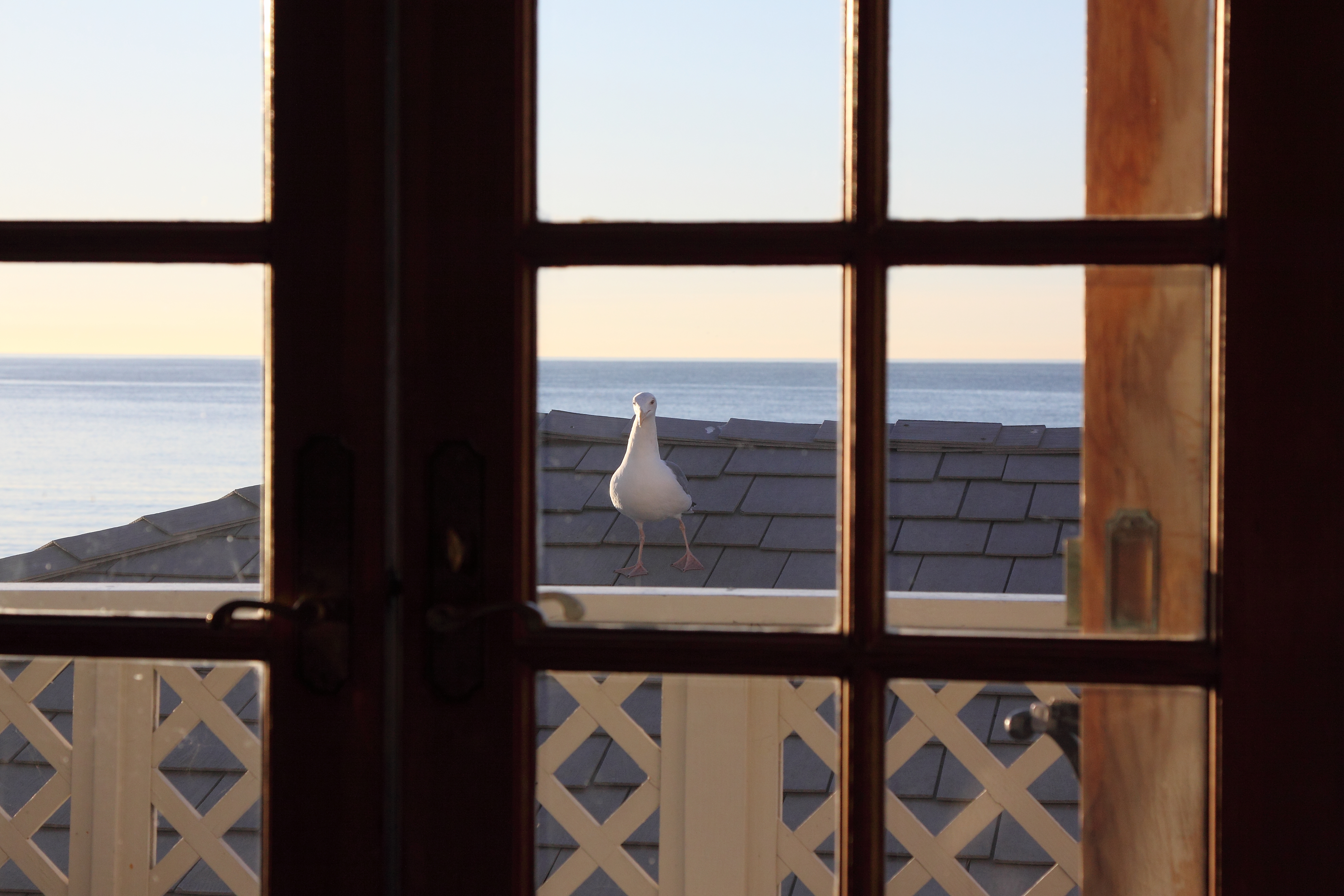
Perfect Patterns: This little seagull greeted us one morning when we were in Malibu many years ago. He was so cute, and I couldn’t resist taking the photo before he flew away. Goodness knows I wasn’t even thinking about the rules I was breaking (look at all the squares, lines, rectangles and diamonds). I just wanted the shot.
Rule of Thirds: Next up, a macro shot gone bad. During a visit to the Atlanta Botanical Gardens, I was experimenting with my new macro lens. I don’t remember what type of plant this was, I just saw an opportunity to practice shooting macro from a top-down view of the bud. The end result looks a little bit like something floating in outer space. I still thought it was a pretty cool shot, so I kept it.
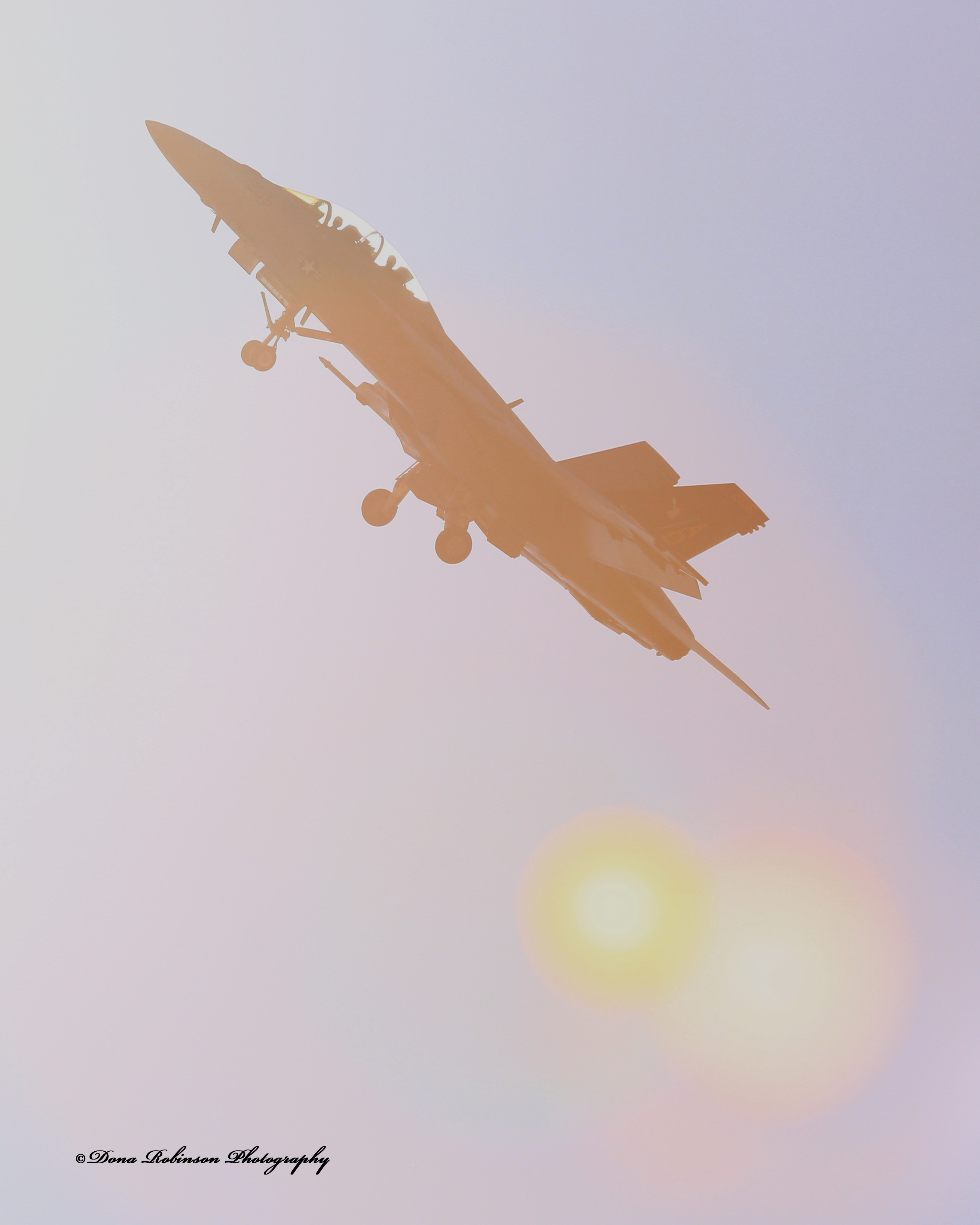
Don’t Shoot into the Sun: A very BIG rule was broken on the next image, but quite honestly it couldn’t be helped. When you’re lucky enough to have an airshow fly directly over your house you have no time to think and have to be very quick with your shot. Because they are flying directly above you, it’s almost impossible not to shoot into the sun. What really works about this image is the silhouette of the pilots.
Blurry Photos: My last image of broken rules was a poor attempt at catching a Mourning Dove bathing in the bird bath. Instead, he took off and I caught him in mid-flight. Yep, the image is blurry, but do you see what I see?
What photography rules have you broken lately where you opened yourself up to an unexpected and beautiful outcome?
Be sure to check-out Ritva’s original post to view her wonderful examples of broken rules. Next week, Edigio (Through Brazilian Eyes) leads.
If you want to know more about the Lens-Artists Challenge, please click here.
I have to admit, I don’t think I’ve ever consciously thought about shooting cinematic photos. But after reading Sofia’s challenge and pouring through my archives I found that sometimes my photos do have a “cinematic” feel to them. Sofia writes, “There are a few things that give a photo that cinematic feel: camera angles, bold and high-contrast colors, light, locations, just to name a few. The main objective is to take a shot that is part of a story, there’s mood and a sense of location; our image is but a snapshot of a much wider situation.” You can read Sofia’s challenge, here.
So, what did I uncover in my archives? Let’s take a look.
I’ve always loved this photo. It was taken during a sunrise over Atlanta, probably during the Fall season, because of the mist rising from the Chattahoochee River. I love the varied colors and how the sun gives them a slightly golden tone. This photo could easily be an opening or closing scene in a movie.
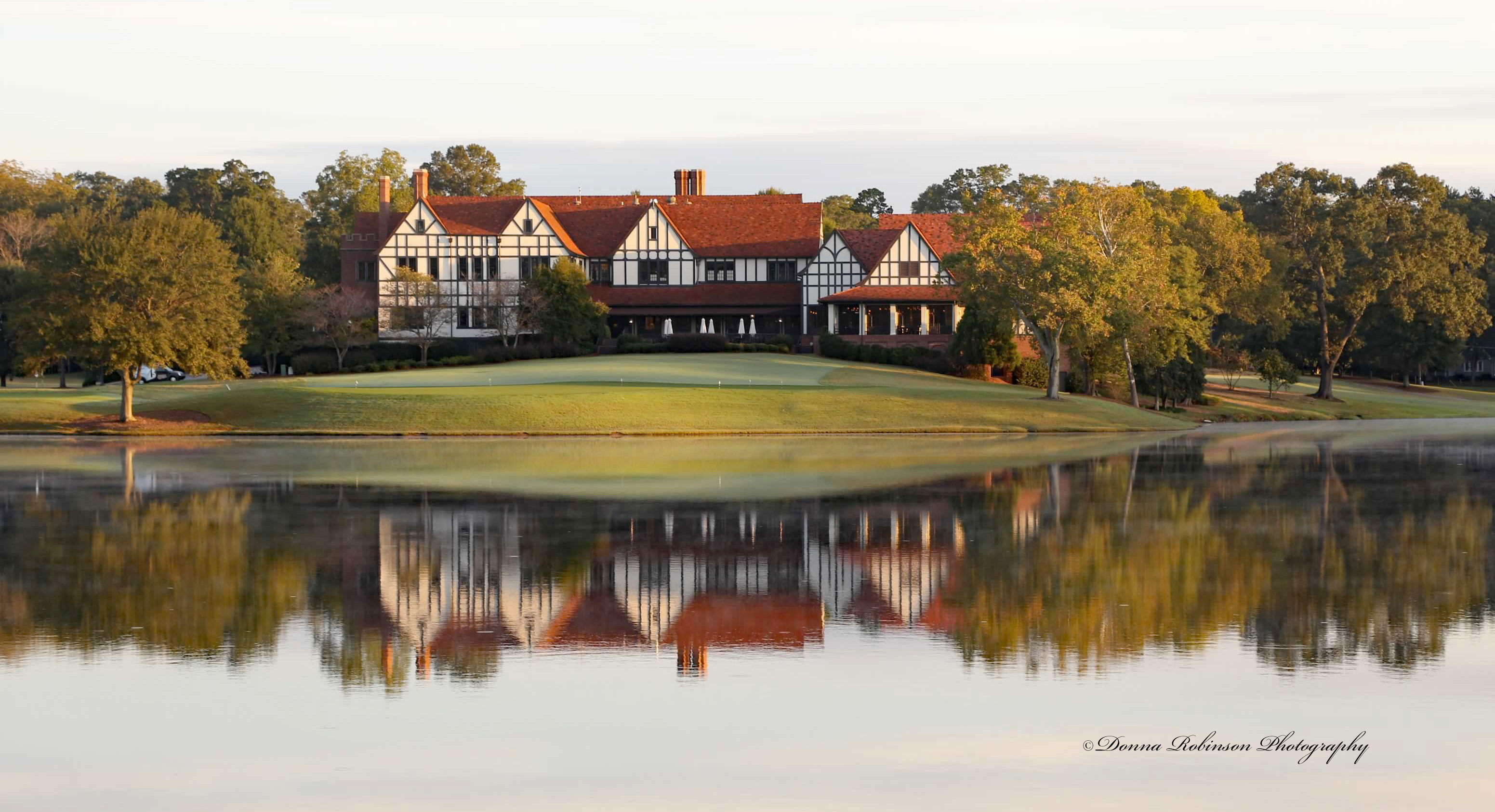
How about a shot of this beautiful East Lake Golf Club, Clubhouse. I remember taking this photo and thinking it would make a great post-card or large format photo. But as I look more closely, I could see this as an opening shot for the Tour Championship. Can’t you just hear the voice over of the announcers talking about the players and the upcoming events for the day?
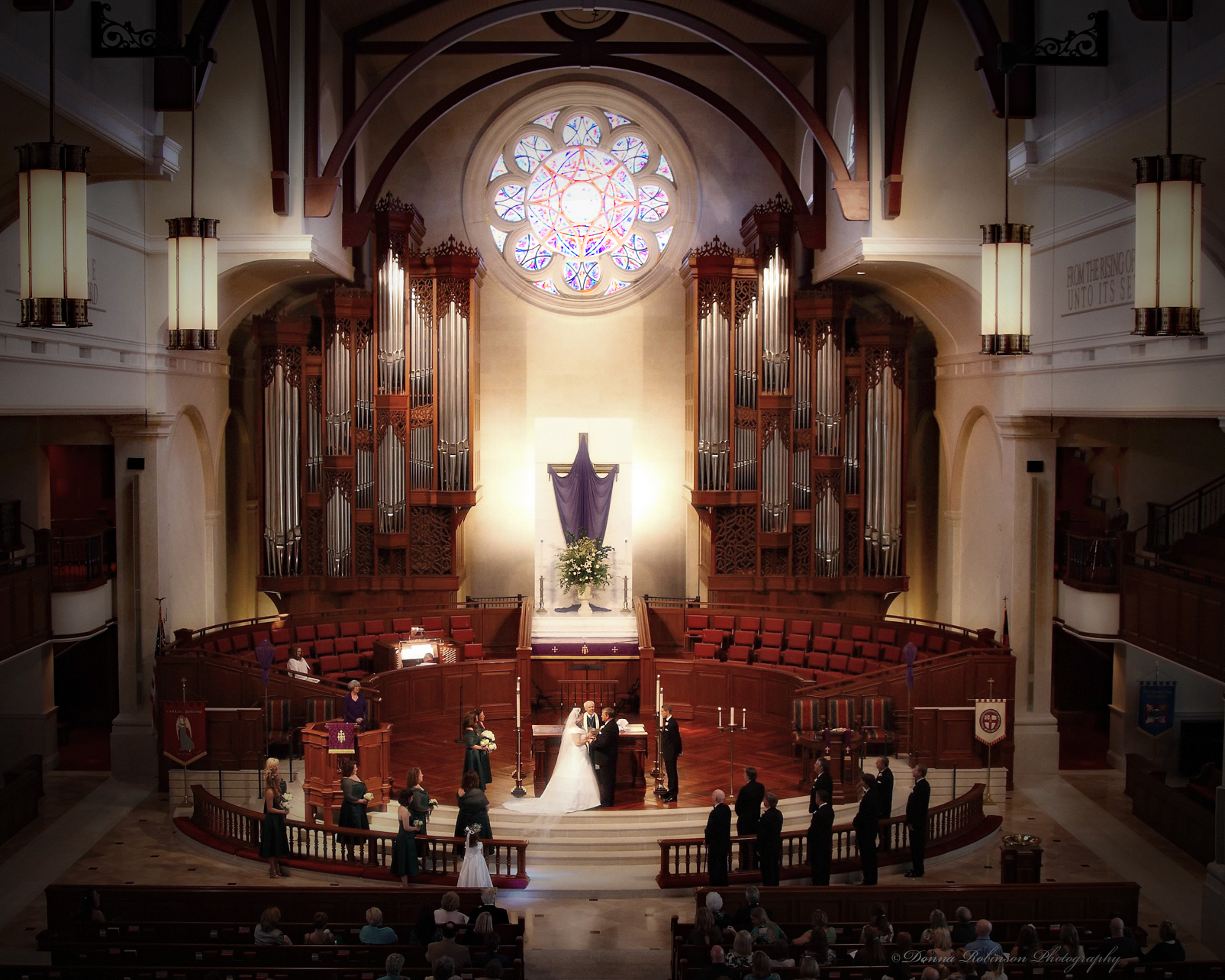
Talk about lighting, mood and the image being a snapshot of a wider situation. This wedding image has always been one of my favorite shots from this particular ceremony. I wasn’t allowed to bring my camera into the sanctuary during the actual ceremony, so my assistant and I went up into the balcony. I’m so thankful we were banned from the sanctuary because I wouldn’t have been able to get this special shot. How many movies have you seen with “cathedral style” weddings?
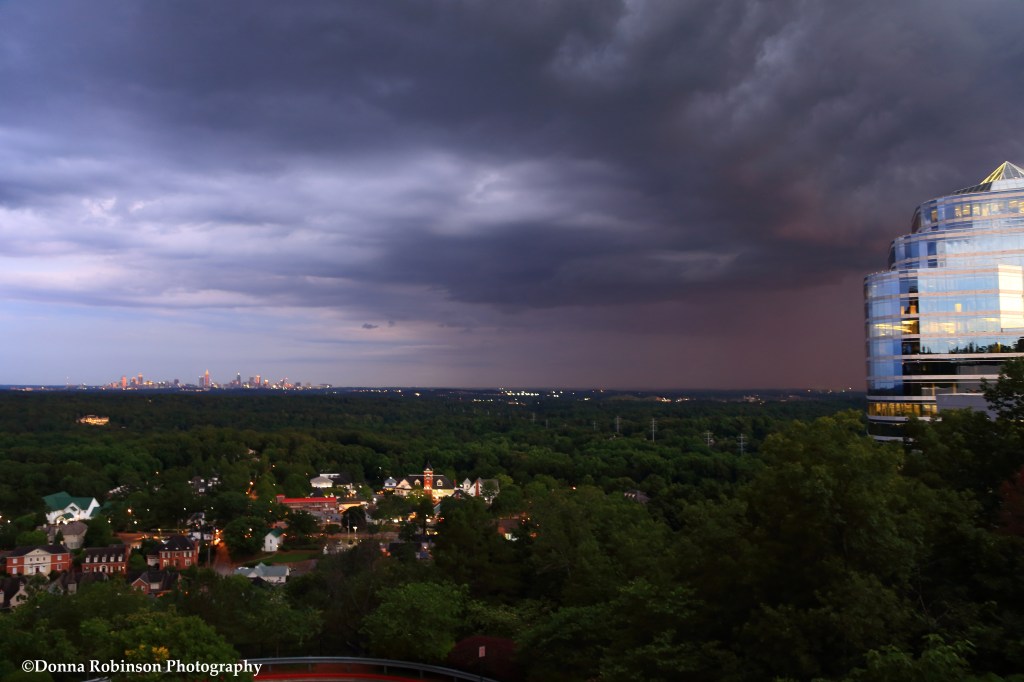
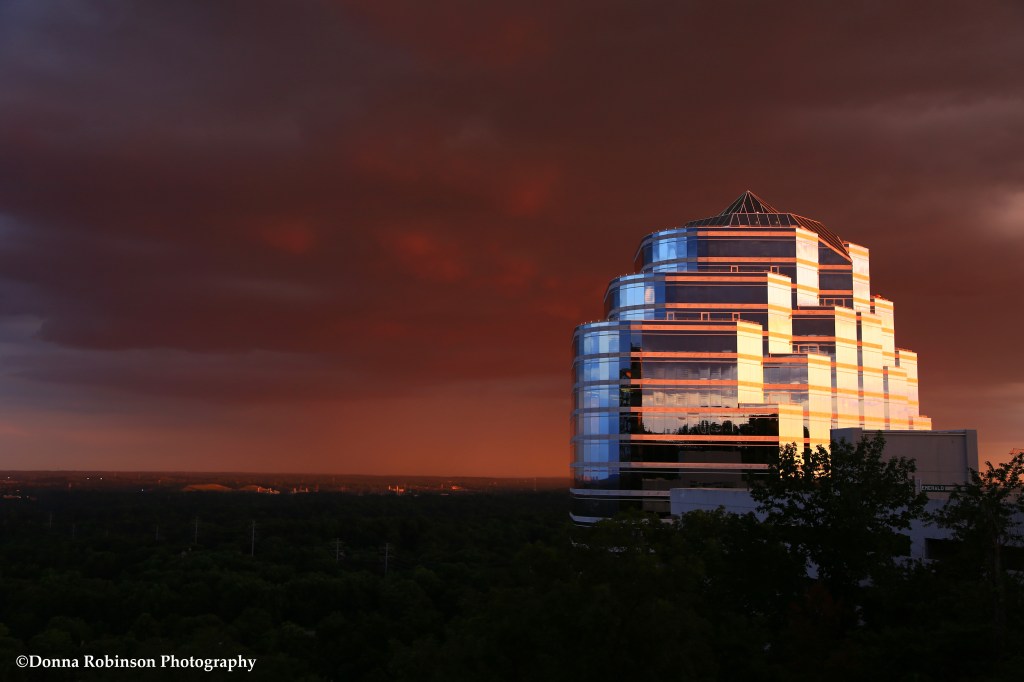
My closing few shots takes us back to downtown Atlanta. Our views of the storms that rolled through the city were amazing. Anyone of these could have easily come from a movie where a storm was integral to the storyline; lightning strikes, rolling rain clouds, showers in the distance at dawn. Each offering up its own “ominous mood.”
So, how did I do? I know one thing for sure, I will definitely be thinking about “cinematic feel” in my photos going forward.
It’s a new week of the Lens Artist Challenge and John from Travels with JohnBo has us sharing our “Go to Places” for photography (you can read John’s original post here). It’s a wonderful theme and one that I didn’t have to think too much about, because really any place I have my camera becomes my “go to place.” But specifically, my “go to place” is anywhere I can be outside connecting with nature.
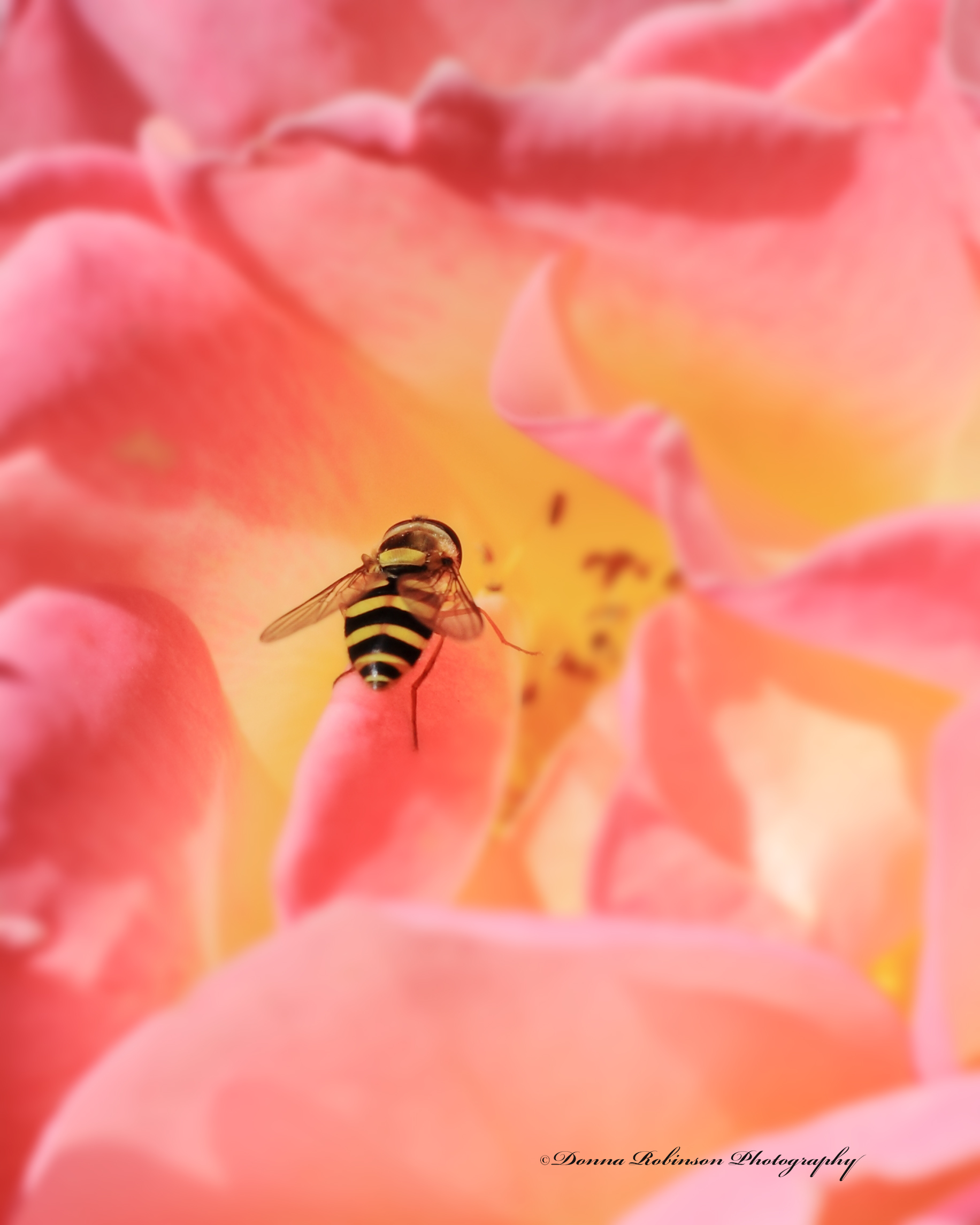
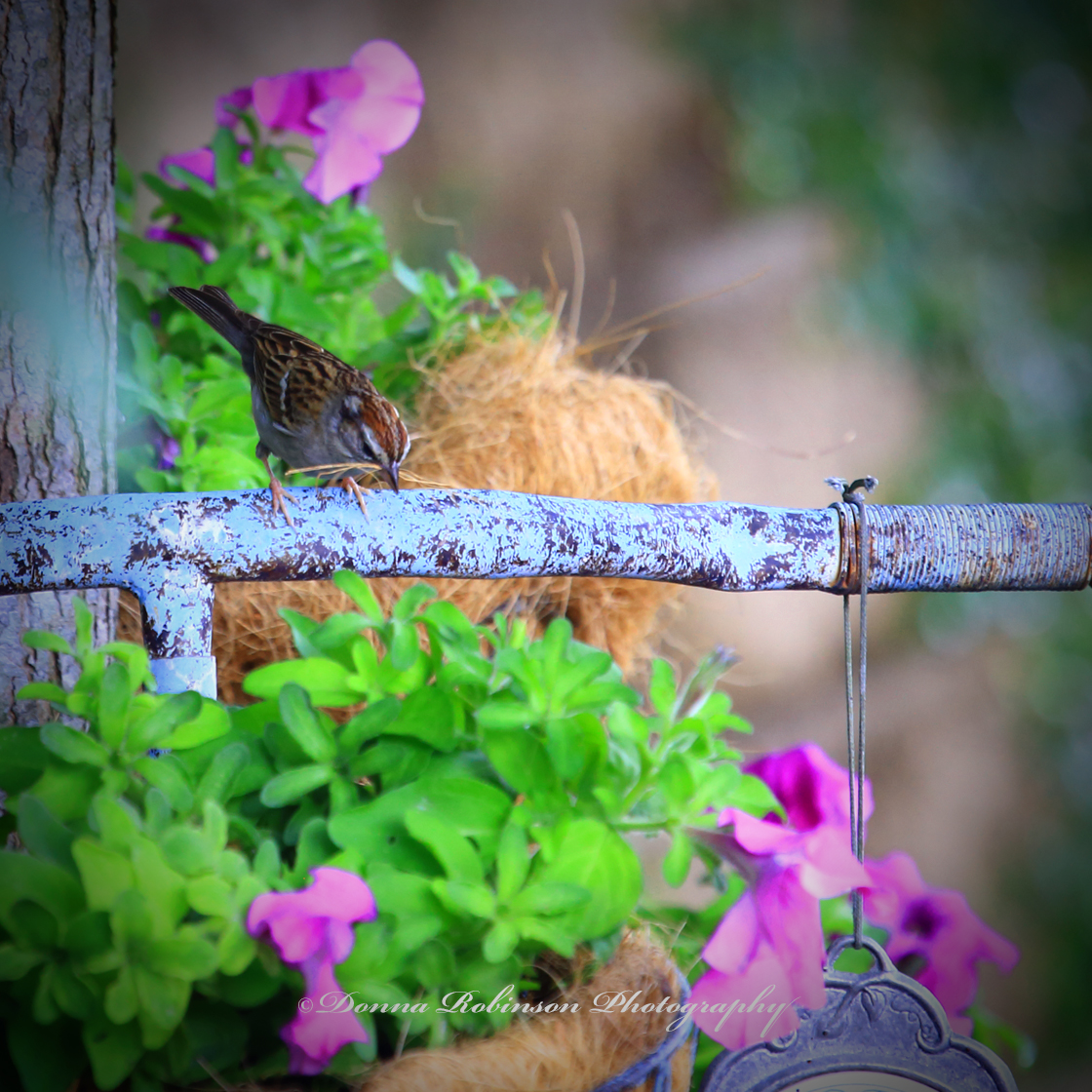
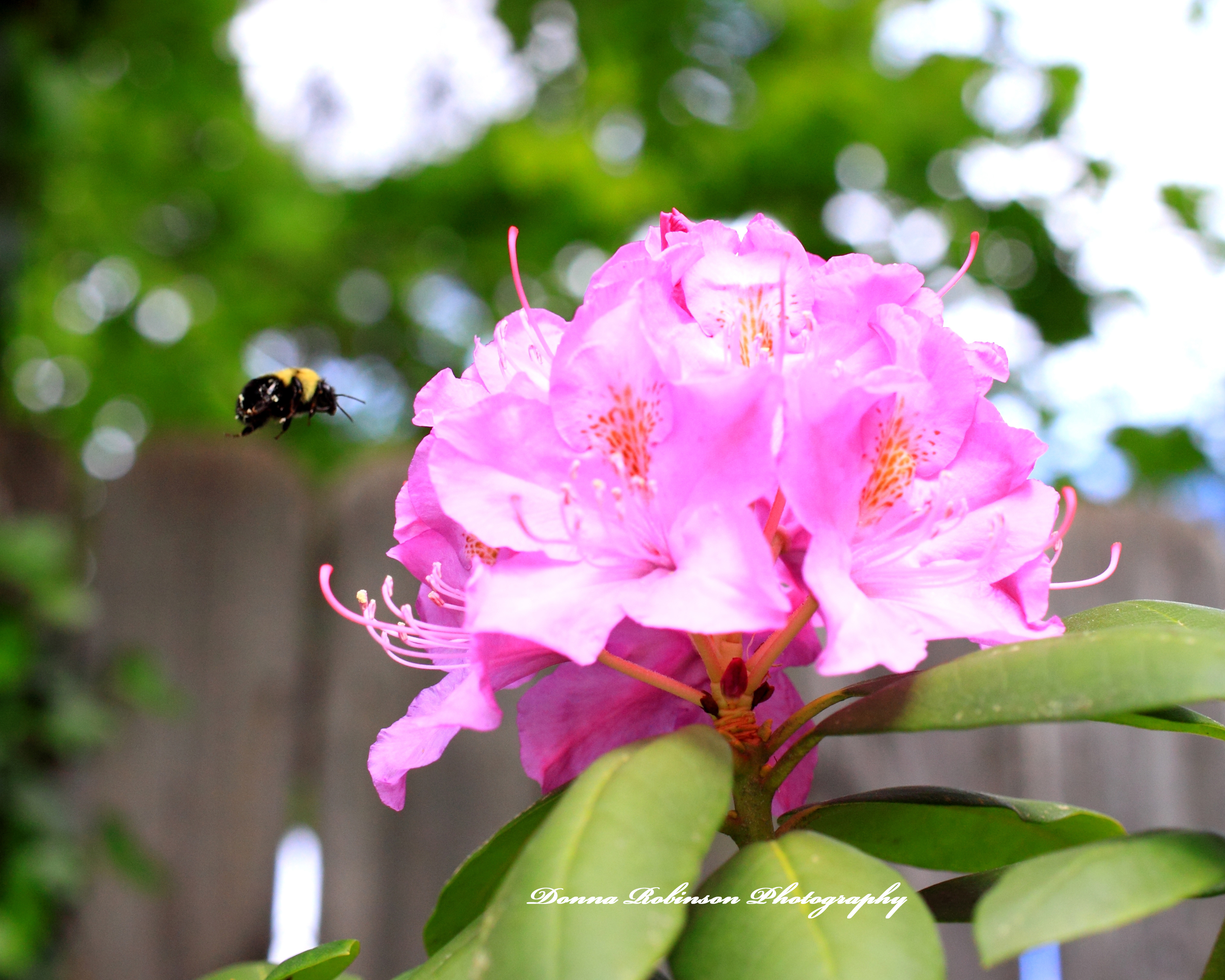
It can be in a garden enjoying the blooms and color while watching the birds and insects gathering food and nectar:
Macro Photography of a Sunflower with a BugBee Pollenating on Rododendron
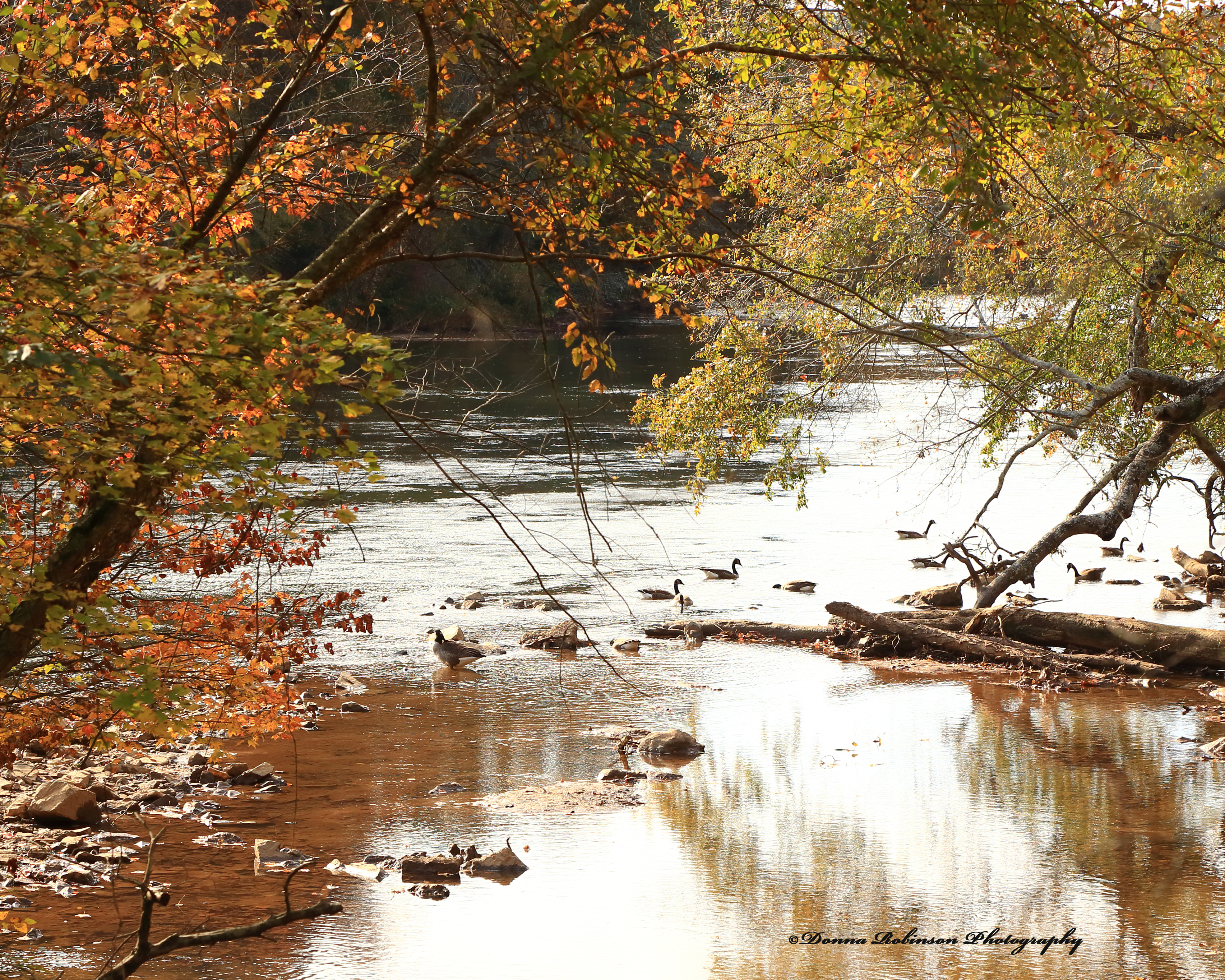
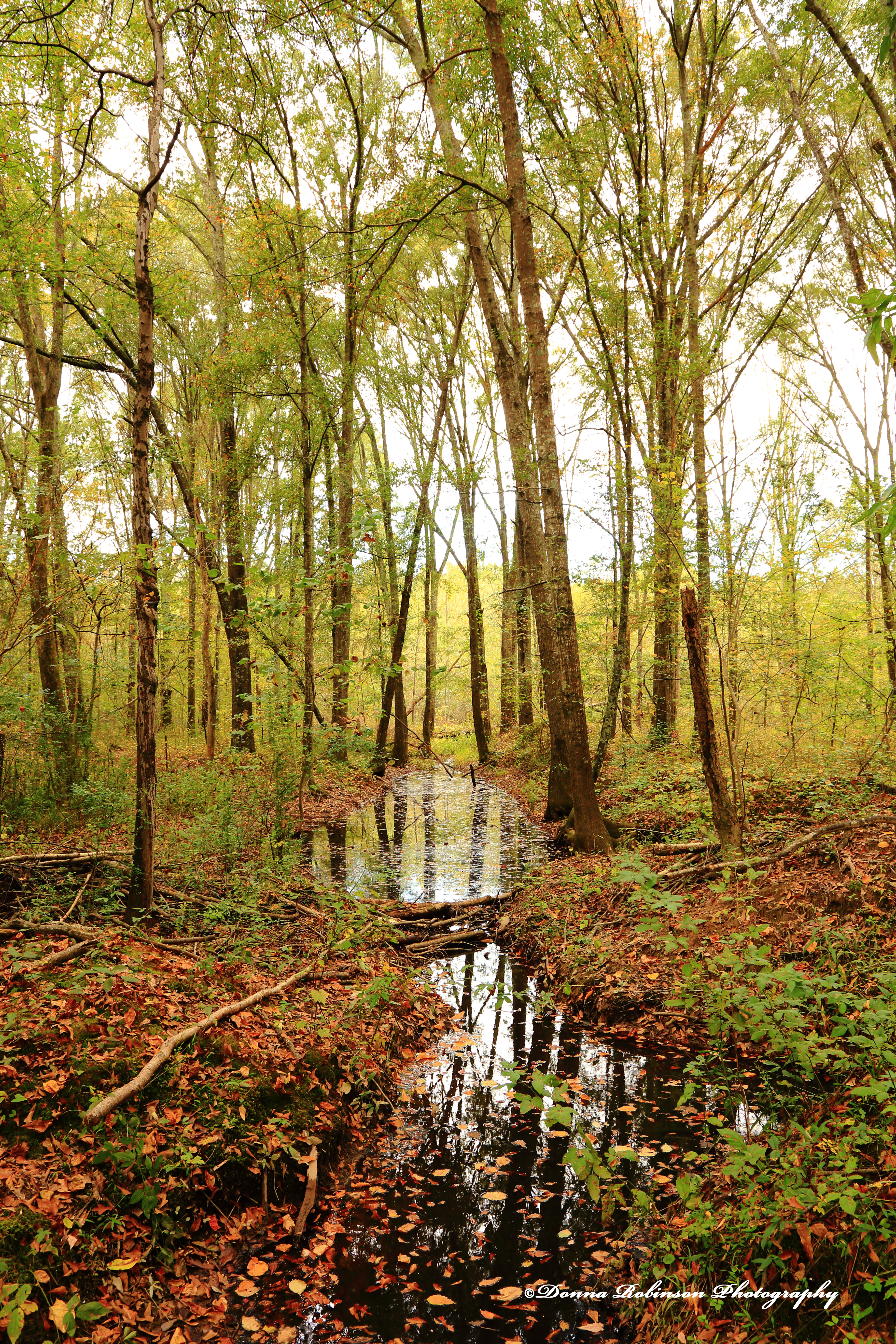
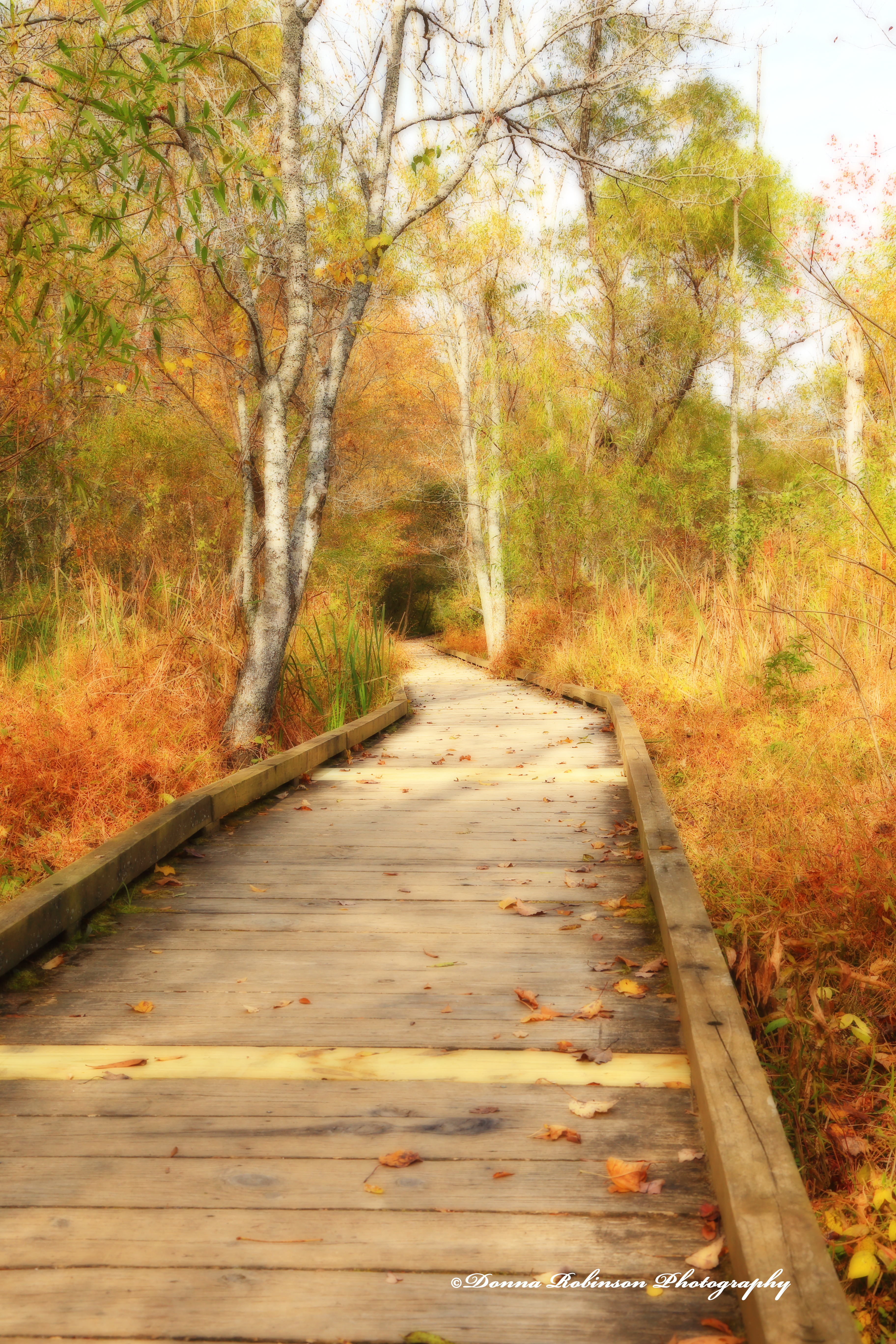
It can be a walk in the park on a Fall Day enjoying the crisp air and changing colors of the leaves:
IMG 8175
Or walks along the beach taking in the salt air and ocean breezes.
So where is your “Go to Place” when you need inspiration?
Many thanks to John for this wonderful challenge. Next week, Sofia will host. Be sure to follow her here so you don’t miss her post, which will go live next Saturday at noon Eastern time.
Well, Anne sent me heading down a rabbit hole this week. A rabbit hole that almost had me on a point of no return. A rabbit hole that had me traveling back in time twenty (20) plus years. A rabbit hole full of memories and painstaking regrets of not being more organized with my photos. Nonetheless, I somehow managed to pull myself up out of the hole and focus on the challenge at hand!
This week Anne challenges us to think about abandonment in photography. You can read her full post here. I doubt there is a single photographer who isn’t drawn to “things” or “properties” that are abandoned. Afterall, photographers are curious by nature, always looking for the next photo and always looking to tell (or create a story) with their images.
Take for instance this abandoned train car, Michael and I stumbled upon in Hartwell, SC. Why it’s there I have no idea, but as I wandered around it, I couldn’t help but to think about the many passengers who traveled on this car. Who were they? Where were they going? How long had they been traveling? Why was the train left on the tracks in the middle of a field? So many questions to be answered.
Sometimes, we stumble upon unfortunate, temporary circumstances of abandonment. Take his mail carrier, who abandoned his vehicle in the midst of an unexpected Atlanta ice storm. Looks like he decided to heck with the postman’s motto “Neither snow nor rain nor heat nor gloom of night stays these couriers from the swift completion of their appointed rounds.” But there are still questions like “Where did he go?” “What happened to the mail left unattended?” I guess I can’t blame this postal carrier too much. Ice in Atlanta is not a force to be messed with.
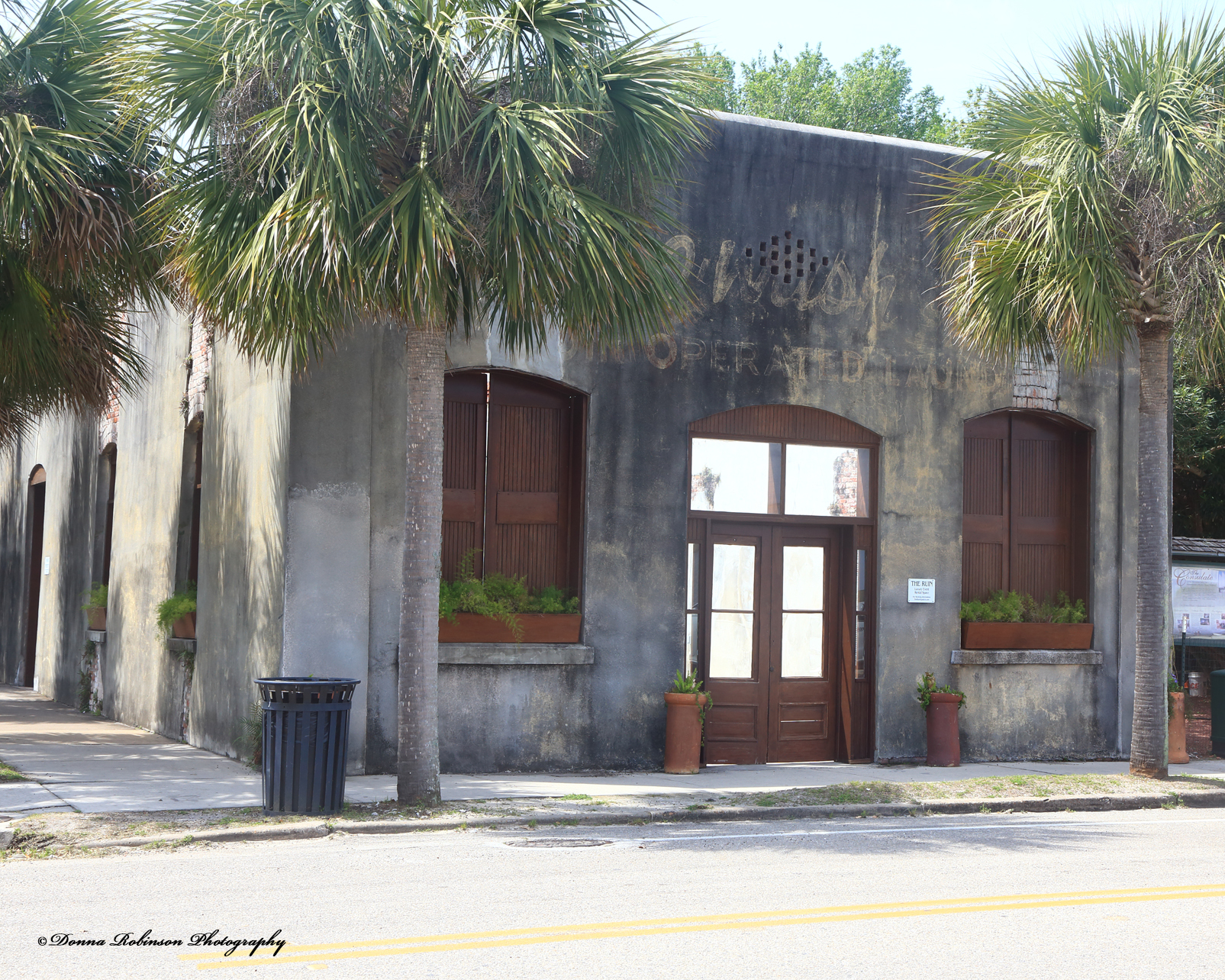
Other times, new life is breathed into the old and abandoned when communities find a way to repurpose them while preserving their original characteristics and a little bit of their history. Whether an old mill or laundry center like the photos below, you can’t help but wonder who the people were that filled these places so many years ago. What was life like during their respective time periods?
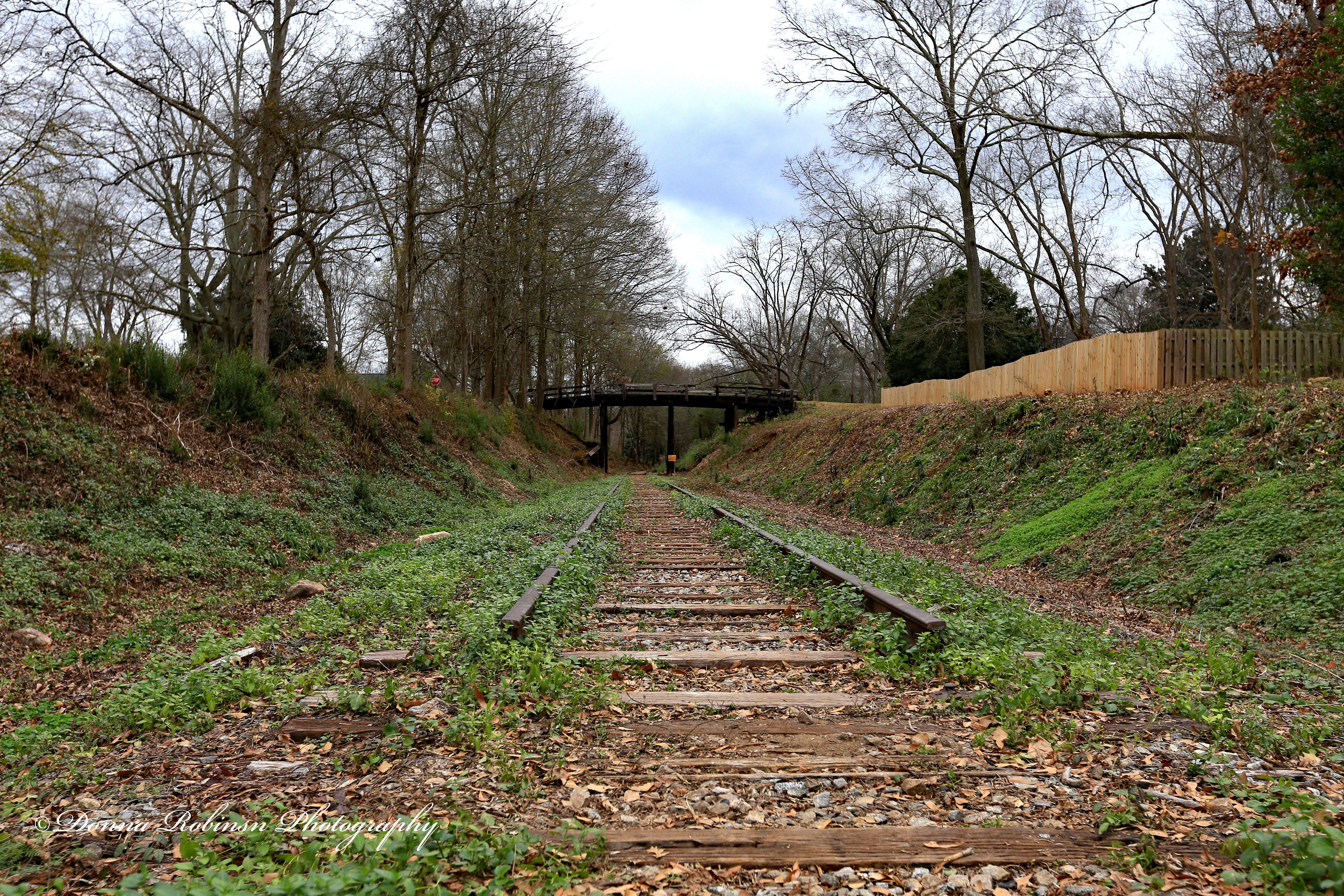
Oftentimes, abandoned places offer up great photography backdrops like the one below. Can’t you just imagine this as a backdrop for senior portraits or perhaps a movie setting? Located in the small town of Senoia, Georgia I took this photo of abandoned railroad tracks thirteen (13) years ago on one of our day trips. Little did I know at the time we would one day call this home. I’m still learning about all the history of this small town and I’m hopeful one day I’ll be able to uncover the story behind these abandoned tracks.
Thank you, Anne for this wonderful challenge and trip down memory lane. It was fun to scroll through many forgotten images and revisit days gone by. For those of you who would like to join in on this challenge, be sure to link to Anne’s post in the “comments” section and also use the Lens-Artist tag.
Ritva leads this week and boy does she have us stepping out of our comfort zone, but in a fun way. In her challenge she has us exploring abstract photography and in her words “breaking the rules of realism.”
“If you obey all the rules, you miss all the fun!”
_Katherine Hepburn
There’re quite a few ways to create abstract photography whether “in camera” or through the editing process. I thought I would share with you some images I took “in camera.”
In this first image I had read about a technique placing a baggie (or plastic wrap) over the lens to give a soft, moody kind of feel. To experiment with this technique, I shot a matted 5 x 6 photo. When I added the baggie over the lens and reshot the photo it produced an even more “antique-ish” kind of feel. It’s almost like the photo was so old that it was beginning to fade away.
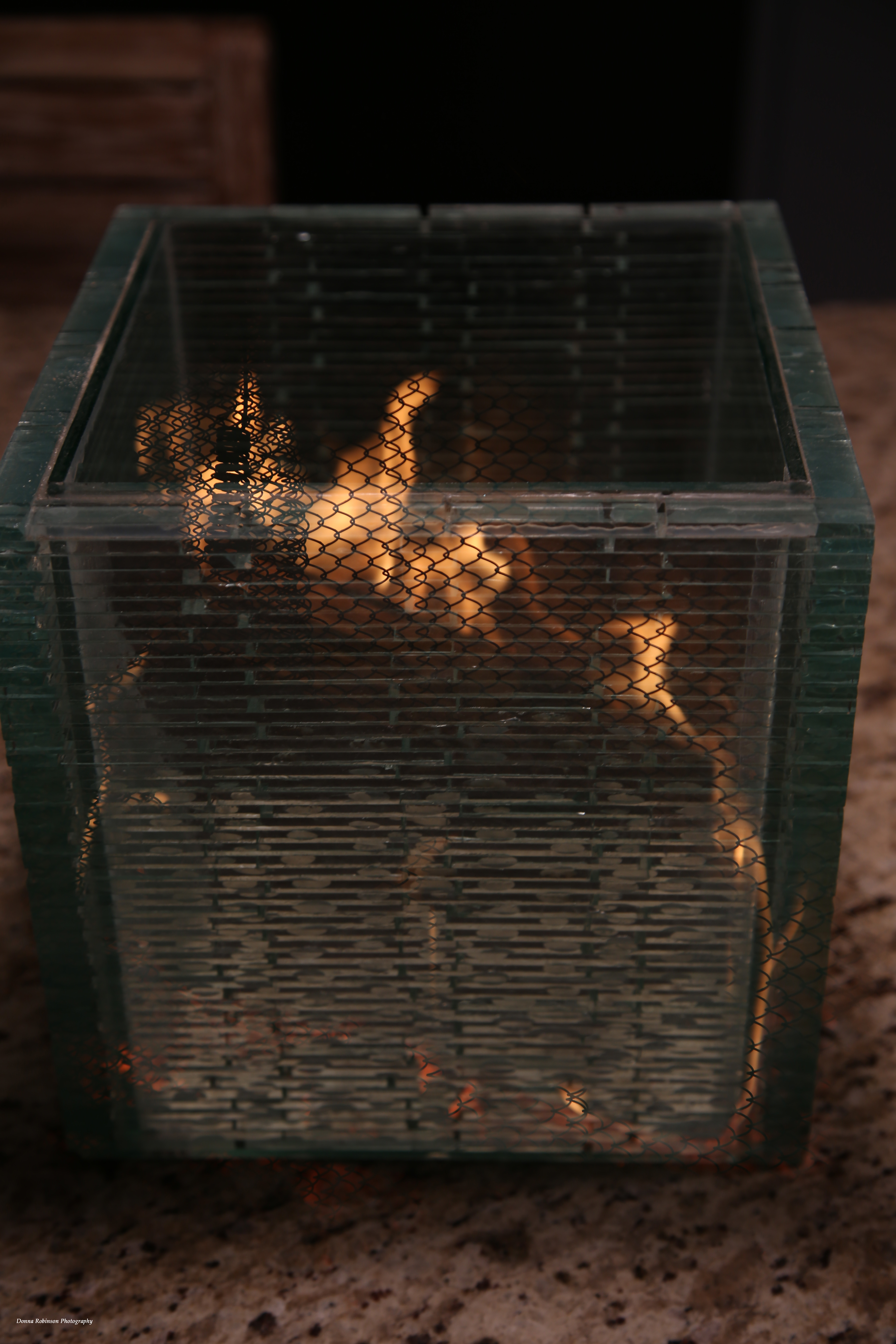
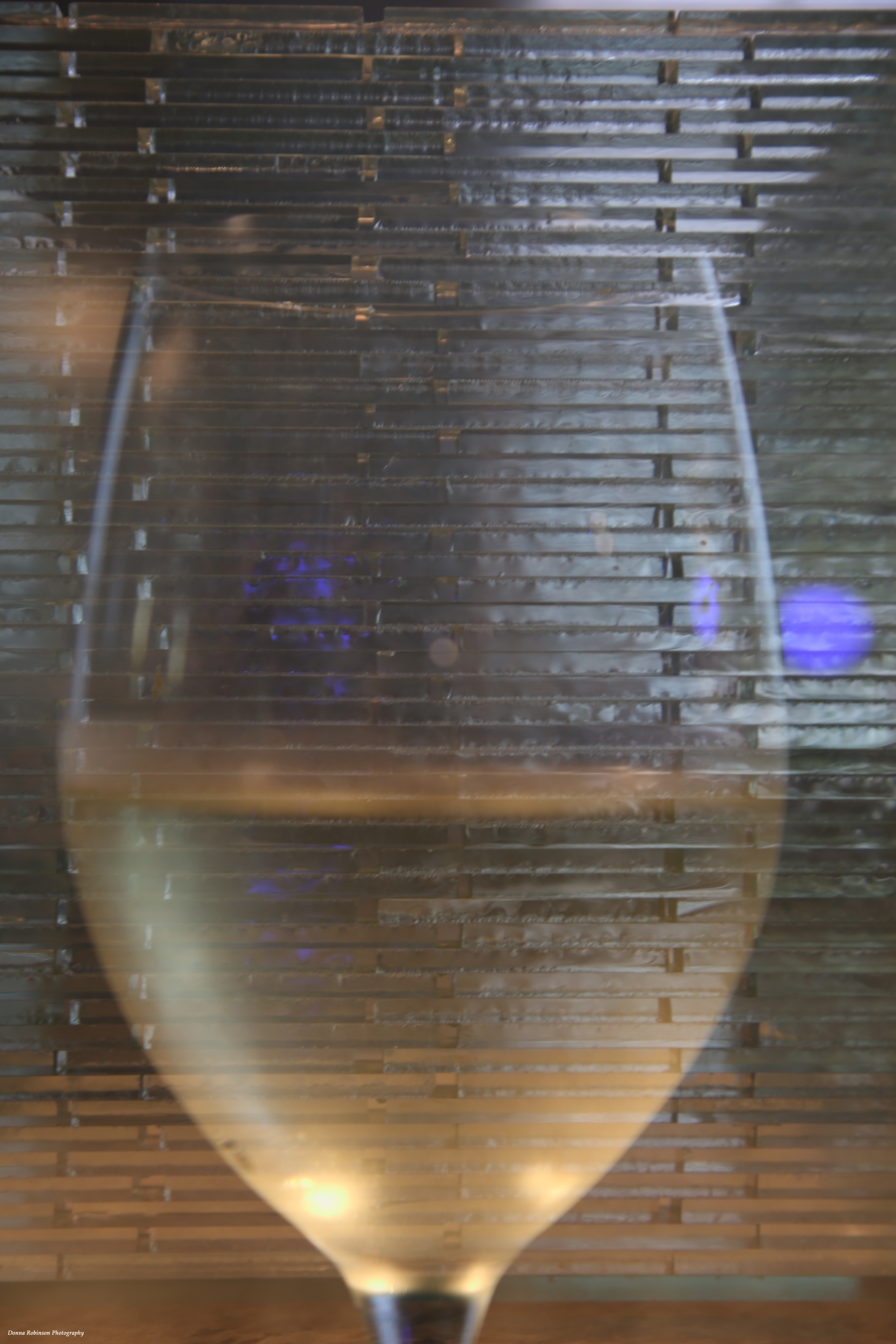
With the images below I used the “multiple exposure” setting in my Canon EOS 6D. It’s a VERY cool setting that allows you to take up to 9 different images and the camera will merge them together. I’ve only tried it with two (2) images so far.
Fire in Glass VaseYellow Daisy Floating in Bird BathChardonnay in Glass Vase
Another fun “in the camera” technique is “zooming.” A tripod or really steady hand is very helpful with this technique because as you’re using a slow shutter speed (i.e 1/5 th – 1/8th ) and as you’re taking the picture, you’re rapidly turning the lens to achieve the effect you want. Of course, you can also achieve this in Photoshop, but it’s pretty fun to challenge yourself with the camera.
Loquat BloomHavanna Cuba Acrylic PaintingBird Seed
The possibilities are limitless in creating abstract photography. It just depends on the story you’re trying to tell through your image as to what abstract technique you want to use.
Thank you Ritva for this fun and creative challenge. If you’re joining in on this challenge, be sure to link to Riva’s post in the “comments” section and also use the Lens-Artist tag.
Next week Egídio is hosting. He has some amazing photography so be sure to subscribe to his blog Through Brazilian Eyes.
Donna, from Windkiss has brought us back down to earth (so to speak) with a challenge that gives a nod to Earth Day and all things “rocks.” You can read her full challenge here.
So, let’s get started. No matter where you turn rocks play an important role on this planet.
They lead us through tunnels to find the light at the end.
Located in Galax, VA is the New River Trail which is a 57-mile linear park that follows an abandoned railroad tracks (part of the “rails to trails” system). The park parallels the scenic and historic New River for 39 miles and passes through four counties and the city of Galax. The photo below is one of two tunnels located on the trail.
New River Tunnel – Galax, VA
They can be a fortress offering protection from society.
This is as close as I have ever come to Alcatraz. Having seen movies and documentaries about “The Rock” it looks like a great place for photo ops. Perhaps one day I’ll make it back out there.
Alcatraz Prison – San Fransico, CA
They can be great tourist attractions.
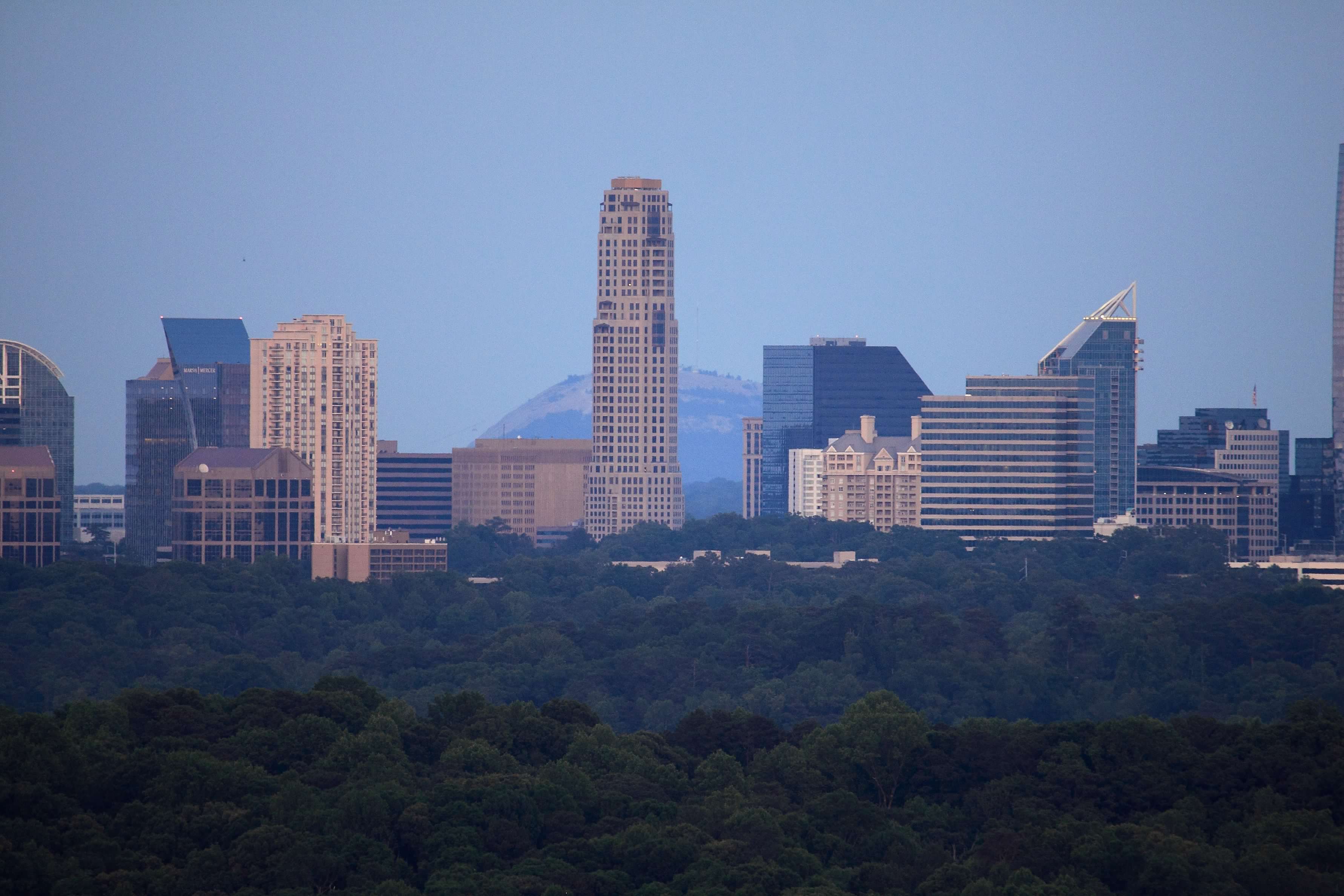
If you look just beyond the tallest skyscraper, you’ll see a HUGE mountain (also called “The Rock”). It’s actually granite and is documented to have been formed 300 million (yes million) years ago. Stone Mountain, as it (and the surrounding town) is named, is located just east of Atlanta. You can climb to the top of the, take a train ride around the base of it and so much more. Interestingly, I took this photo when we lived in a condo where we had panoramic views of Atlanta.
Stone Mountain, Georgia at Sunset
They provide firm foundations for those wonderful lighthouses providing a watch-light for boaters on dark and stormy nights.
Pigeon Point Lighthouse is located in Pescadero, CA. I’ve shared before that many years ago Michael and I drove the Pacific Coast Highway from San Diego to San Francisco (Christmas Day – New Year’s Day). We had no map, no plans and no place to be. Literally, we made no hotel reservations. I share a little bit about that trip in an earlier post Lens-Artist Challenge #215 . A fun adventure indeed, with some good and not so good hotel choices.
Pigeon Point Lighthouse – Pescadero, CA
They offer a resting place for mother nature.
Downtown Greenville, SC has gone through a revitalization over the years and one of the many great qualities is how they have incorporated Reedy Creek into the landscape, meandering along the sidewalks and spectacular walking trails.
Reedy Creek – Greenville, SC
They can cause the rise and fall of tides here on earth.
Ok, so while not of planet earth, per se, we can’t forget about that big rock up in the sky that affects our lives in so many ways down here! I guess you could say it’s the “ying” to earth’s “yang.”😉
Thank you, Donna, for making us stop and appreciate our planet earth! It was a fun to stop and think about all this big round ball has to offer to us.
For those of you who are interested in knowing more about the Lens-Artists challenge click here. Next week it’s Ritva’s turn to lead us through another fun filled challenge. Be sure to see what she has in store for us at noon EST this Saturday.
This week’s Lens Artist Challenge, hosted by John, leads us down the path of examining how we edit our photos. As photographers we don’t just take a photo of what we see with our eyes, but oftentimes we take photos of what we see the end result to be. Are you with me?
I haven’t had much time behind the lens lately, so instead of going back through my library of images, I decided to get outside in our garden. I mean, what better way to share my before and after process than taking pictures in real time?!? So, here it goes.
Each of my examples were shot in RAW and first brought into the Canon Digital Professional Editing tool. There I could more accurately adjust the white balance and any other lighting/color tweaks. I’m sure I could do the same in Photoshop, but it’s what has worked for me over the years. Why fix what isn’t broke, right? I then brought all images into Photoshop to crop, make a few more minor color adjustments and apply copyright information.
Up first is one our many hydrangea shrubs. They are covered with buds this year and I’m excited to see their blooms come in. The top photo is my before shot to me it was just a little too much on the yellow green side.
In the Digital Professional editing tool, I warmed up the white balance with the temperature control and then I moved up the contrast slide a few notches and voila! The leaves are a much richer, deeper green with better definition of the veins on the leaves. Once I pulled it into Photoshop, I cropped it in to bring more focus to the cluster of buds.
Next up was our Dogwood tree. It has really given us a wonderful show of blossoms this year. I was almost a little too late in taking photos. Thankfully, I managed to get a few shots in before the next round of wind and rain blew more off the tree.
Here’s my first shot. I was using my macro lens to capture the detail of the flowers. Unfortunately, the sun was moving in and out of the clouds and I was having a hard time keeping my settings straight. Also, the wind caused a major battle in getting a sharp imagine. But, of all the images, this was the one which closely matched what I was envisioning.
In my after shot, I really like how the white balance temperature setting warmed up the darker tones of the petals and flowers. I was also able to brighten it up a little without blowing out the detail. Because I had done all the tweaking in the Digital Professional Editing tool, I only needed to crop it slightly once I brought it into Photoshop.
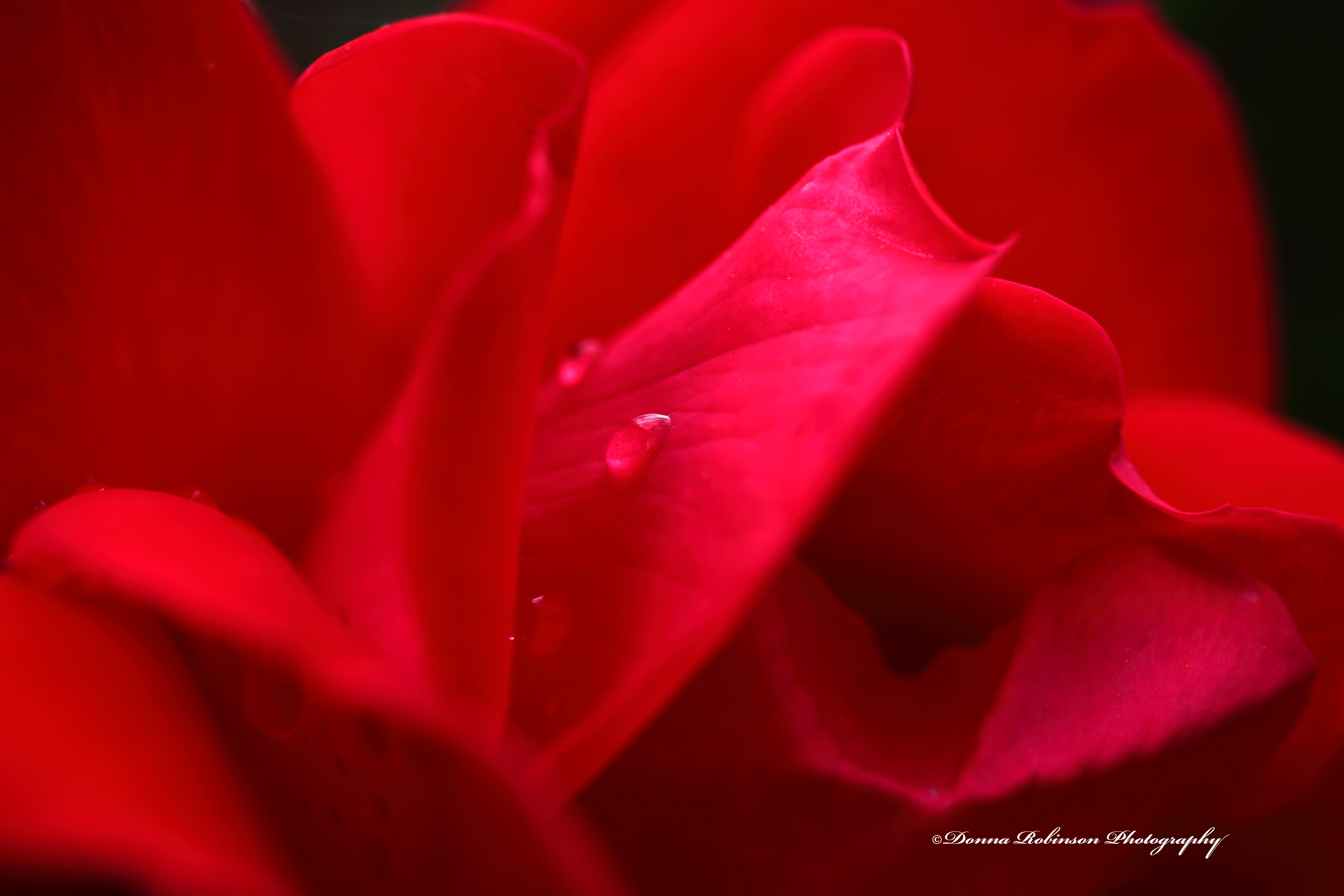
Last up in my garden tour is this rosebud. Once again, the sun and the wind were wreaking havoc on the shot (it’s a red rose, not a pink rose). Still using my macro lens, I wanted to get a better shot of one of the water droplets. That just didn’t work so I settled on a wider perspective of the various curves of the bloom.
Editing was a little challenging because to me the highlights were washing out the petals. But then I found an edit button “Linear” just under the “Contrast,” “Highlights,” and “Shadows” buttons. And just like that the entire image transformed into a beautiful red rosebud. Plus, the water droplet stands out!
But the highlight was still distracting to me. So, I went into the RGB tab and tweaked each individual color. Much better, but now it’s a little too dark.
One last little tweak and here’s the final image.
I hope you enjoyed my little tour of our garden and how I process my photos. It was nice to get outside and back behind the lens. Thank you, John for this week’s challenge.
Next week, Donna of Wind Kisses will host the challenge. You can also find more information here if you want to join the fun.
This week Anne has us focusing on “filling the frame.” Why? As Anne reminds us “when you fill the frame with your subject, you eliminate various background distractions. The viewer’s eyes have nowhere to wander. Their attention is where you want it.” She provides many wonderful examples of “filling the frame” so be sure to read her post here.
I use this technique many, many times in my photography. My archives are full of examples, and it was hard to pick a few, but here it goes.
Oftentimes, I’m intentional with “filling the frame,” especially when it comes to wildlife and nature photography. In the photos below, I included portions of the background to better highlight the subject. This may go against the thought of removing distractions, but as Anne reminds us photography is subjective.
Bee Pollenating on Rododendron
“When you realize you want to spend the rest of your life with somebody, you want the rest of your life to start as soon as possible.” ~When Harry Met Sally
Filling the frame can also come in handy when shooting weddings. It’s a perfect way to capture the little details from the day.
In this photo, I purposely pulled together the elements in order to capture the memory of the invitation, shoes, earrings and bouquet. The invitation may get tucked away in a scrapbook, her shoes will probably never be worn again, and the flowers will fade away, but the photo gives her one single lasting memory of all that went into planning her wedding.
When I photograph weddings or other portraits I will start with the full subject and crop the images in editing to fill the frame with the appropriate details. I’m always looking for the “picture within the picture.”
Take the photo on the left I love the sweet moment of the groom taking the bride’s hand as she overlooks the Blue Ridge Mountain Range. But what was even more special was when I cropped in on their hands. You capture the feeling of the groom’s strong hand delicately holding his bride’s hand.
The next photo was a special prayer moment between the bride and bridesmaids. I was blessed to be able to photograph my niece’s wedding and just before the ceremony began, she and her bridesmaids circled up for a prayer. It was a sweet moment, and I couldn’t resist taking a photo of them all holding hands.
In this example, there are two (2) “pictures in a picture.” In one photo, I cropped her wedding dress. Don’t you just love the detail of the delicate applique and the laced up back with satin bow? It’s something the viewer would have noticed if I hadn’t cropped the photo.
In the other photo, I cropped in on the bride’s right hand holding her matron of honor’s hand. Her matron of honor was her sister. Can’t you just “feel” the love and pride the bride’s sister has for her?
“Why am I using a new putter? Because the old one didn’t float so well.”
~Craig Stadler, Professional Golfer
I’ll end with one last example of “filling the frame” from my days of shooting golf tournaments. This was a fun one of all the golf carts lined up waiting for the tournament to start. Fore!!!!!
Thank you, Anne for inviting us to explore “filling the frame.” It was and fun and interesting way of exploring how I use this technique with my photos.
Be sure to join us next week when James of Jazzibee will guest host and present our next challenge. Be sure to look for his post.
If you would like to participate weekly in our Lens-Artists Challenge, click here for more info.


























 Donna Robinson Photography