Tomorrow is Memorial Day here in the states. It’s a national holiday which marks a day of remembrance of our fallen soldiers who died while serving in the military.
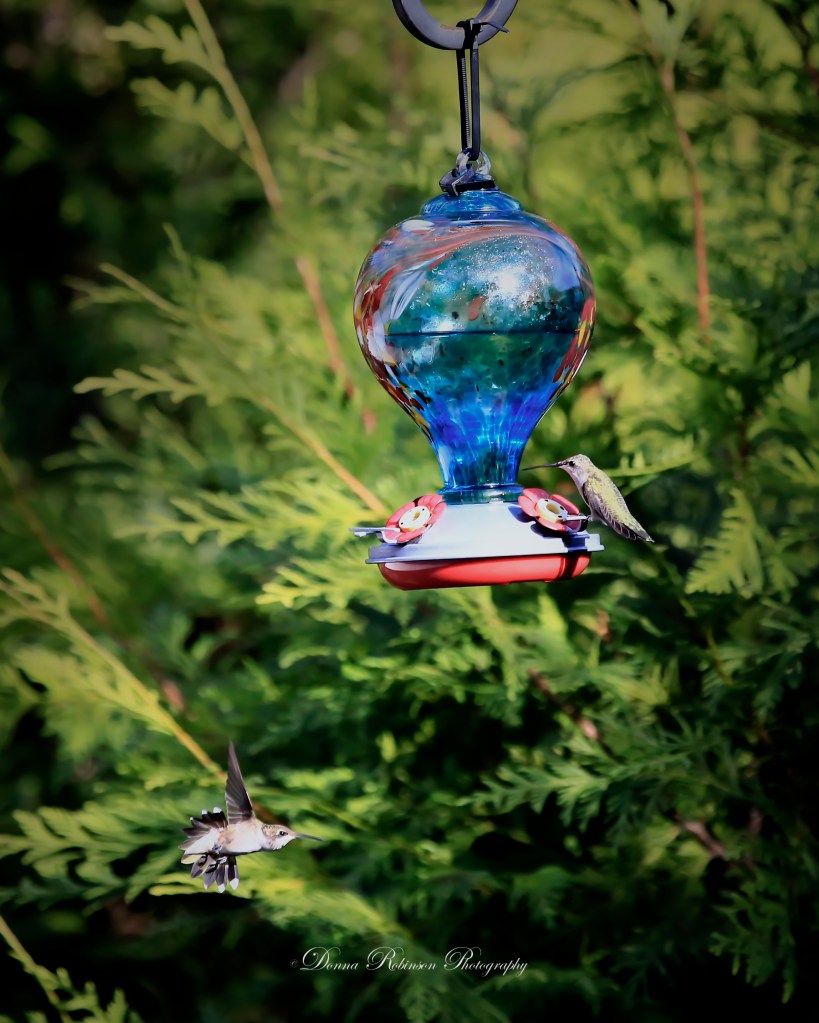
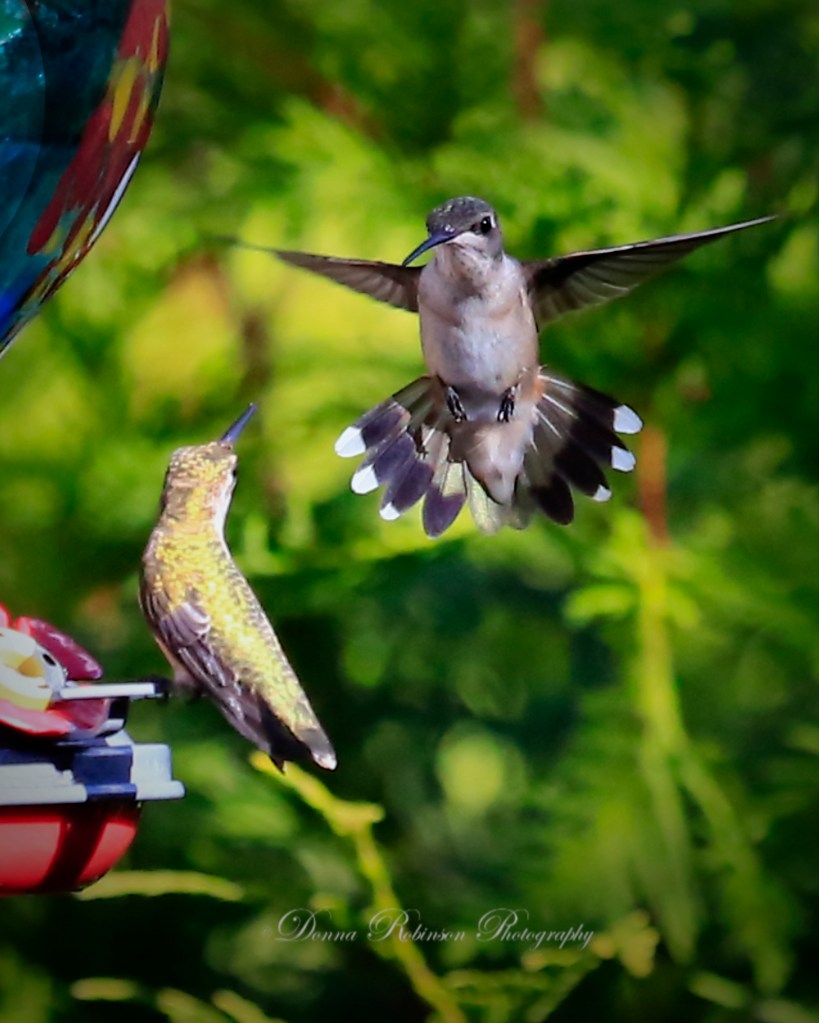
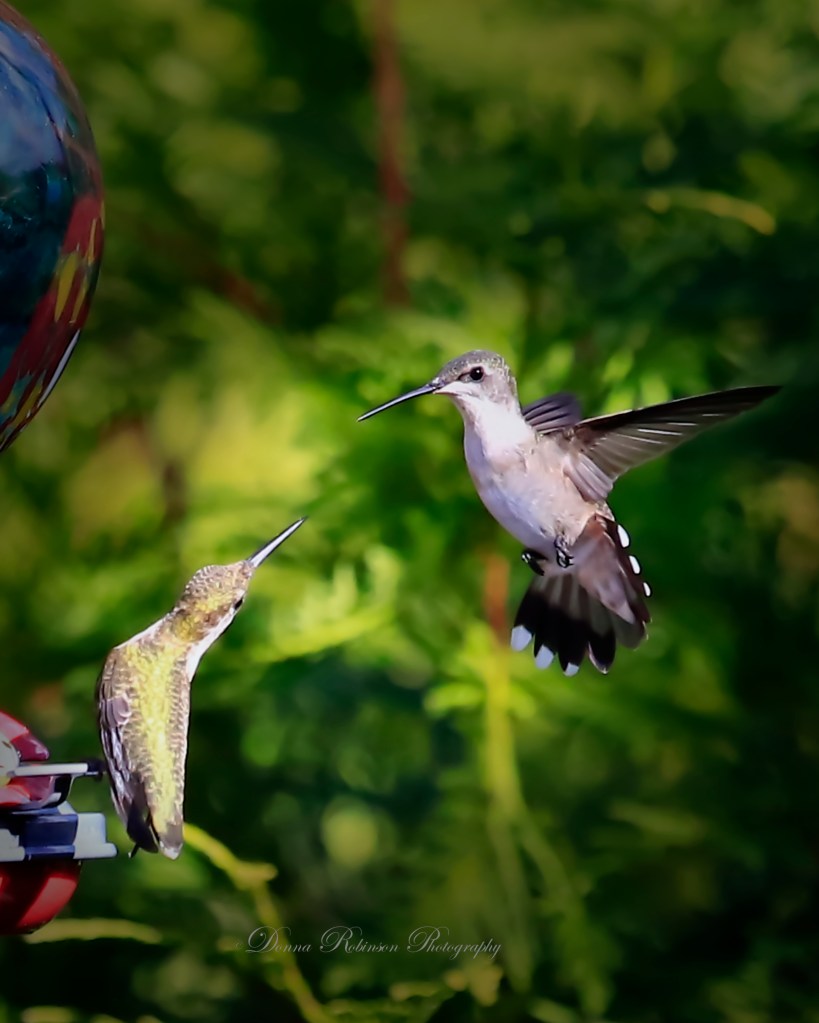
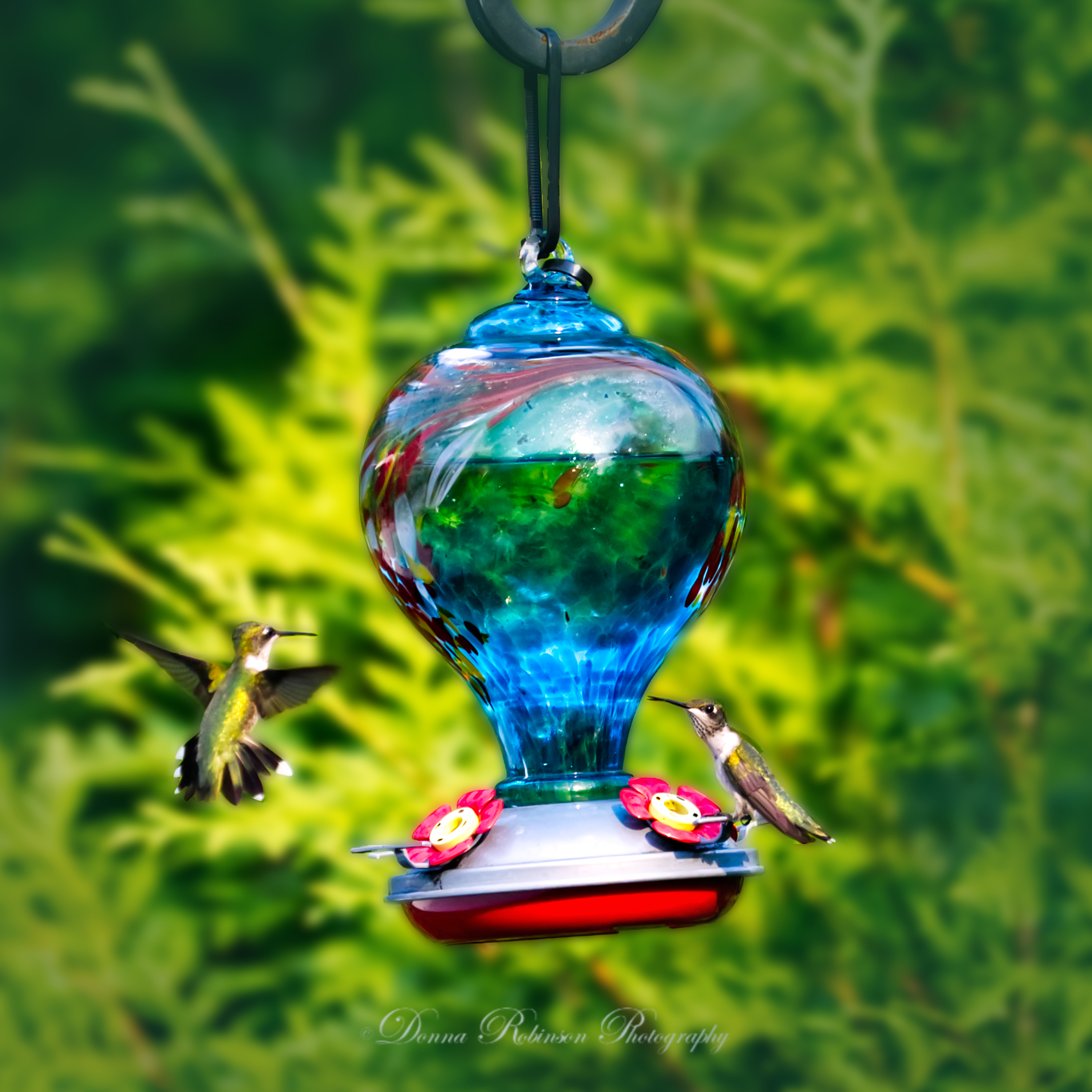
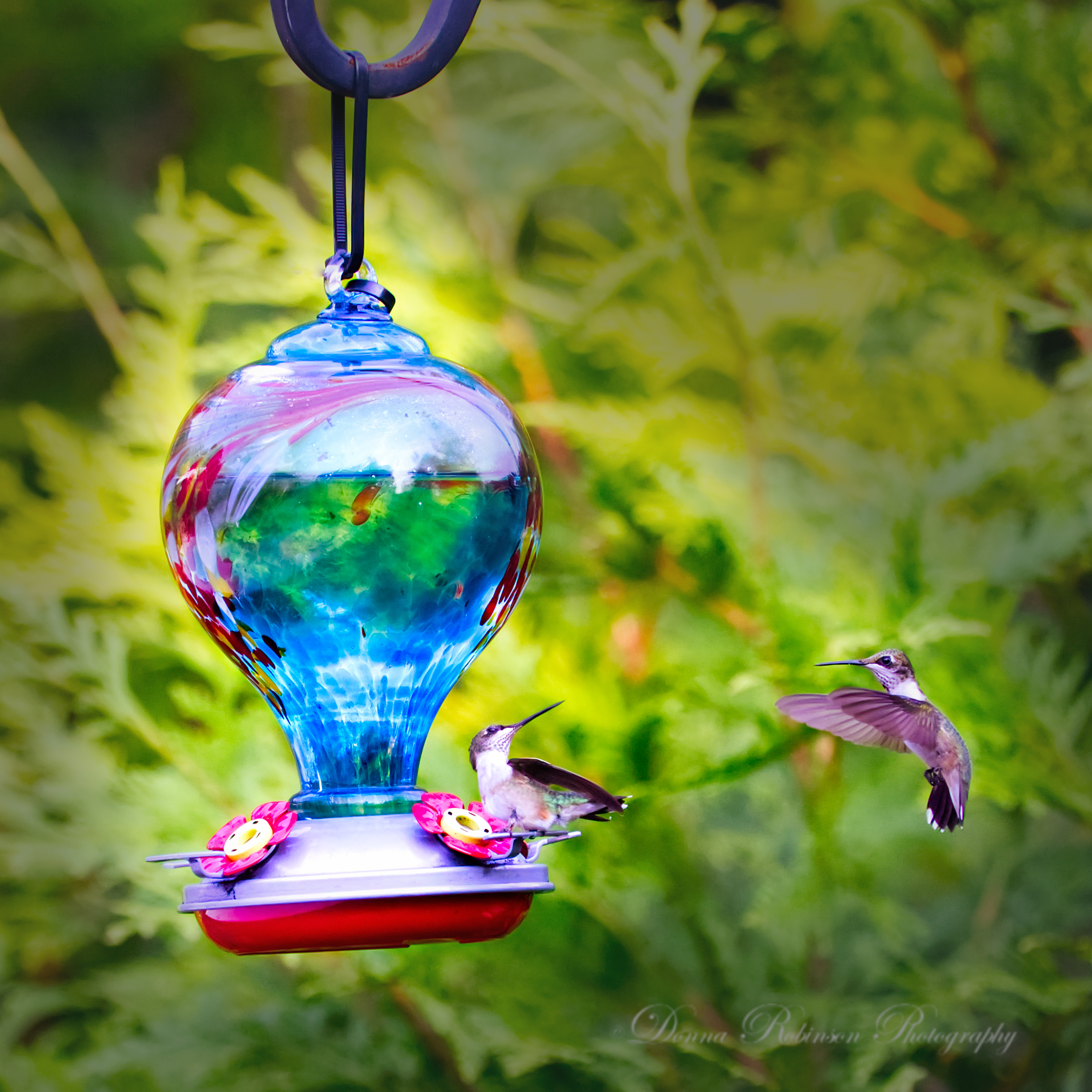
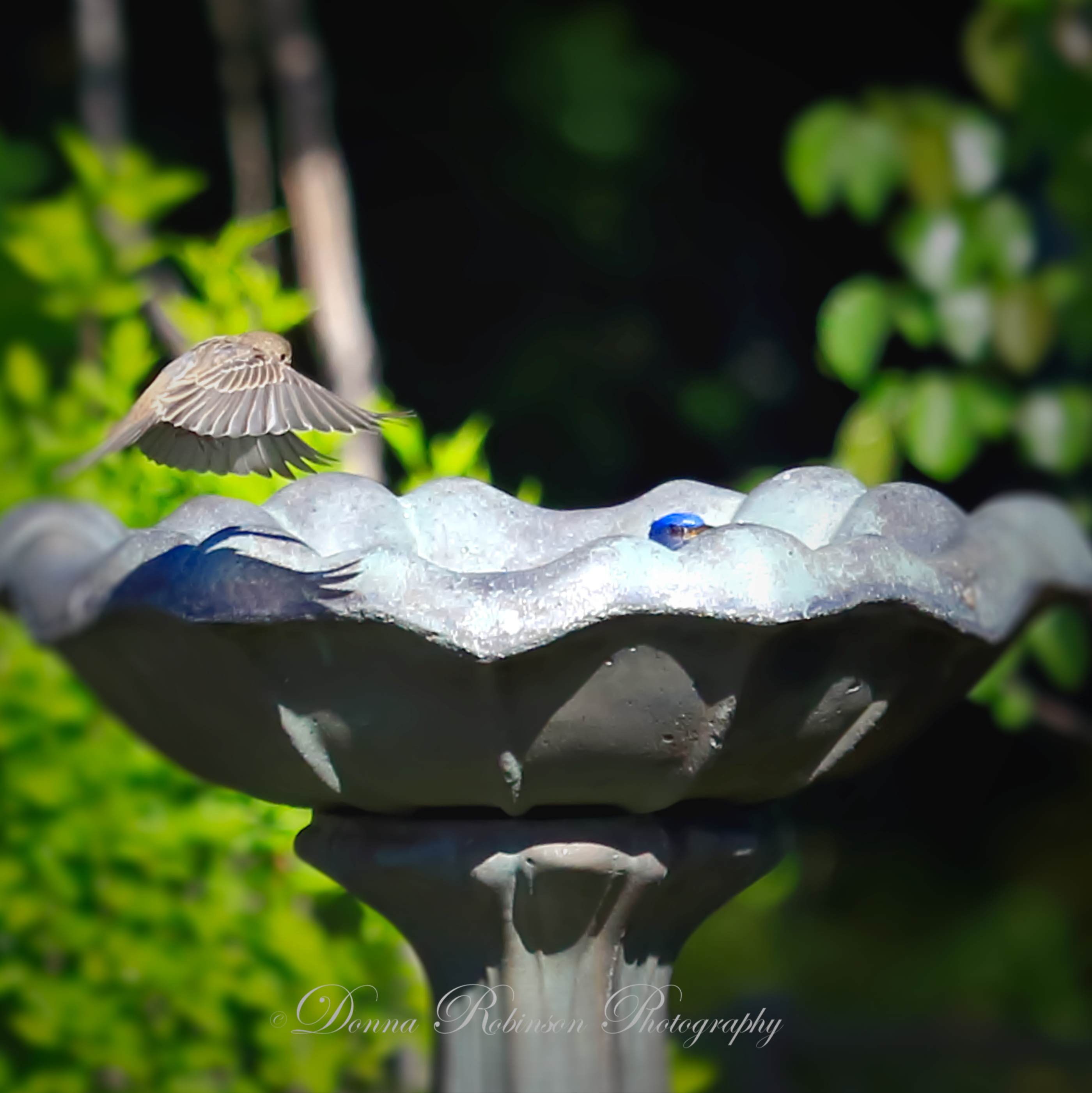
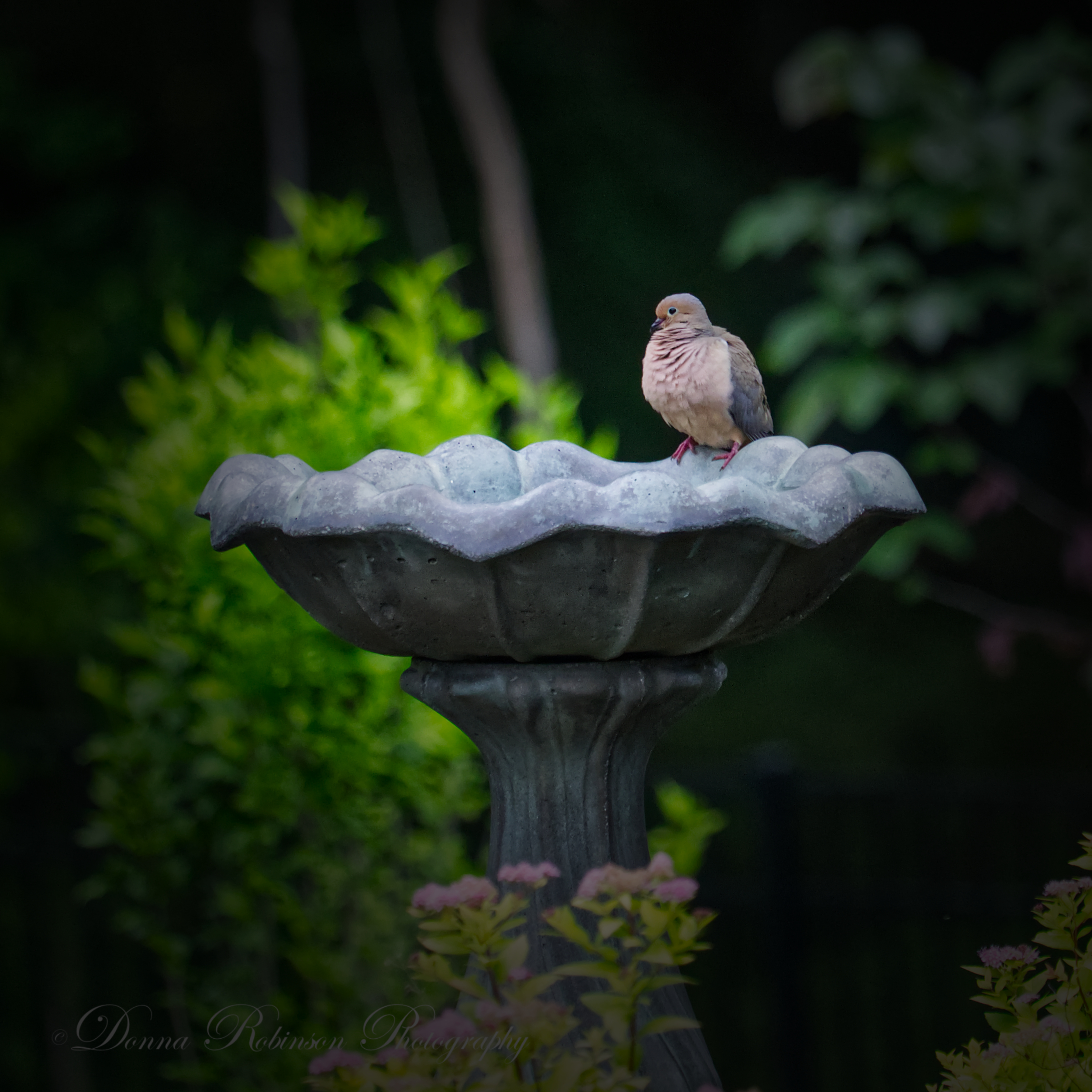
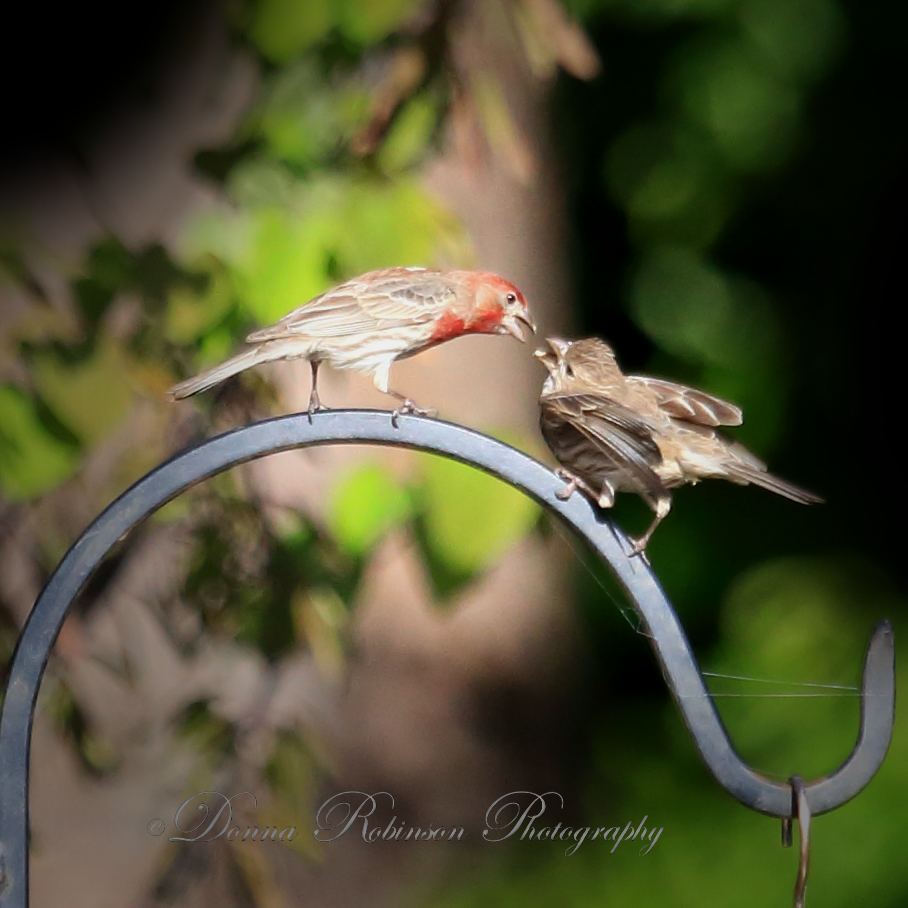
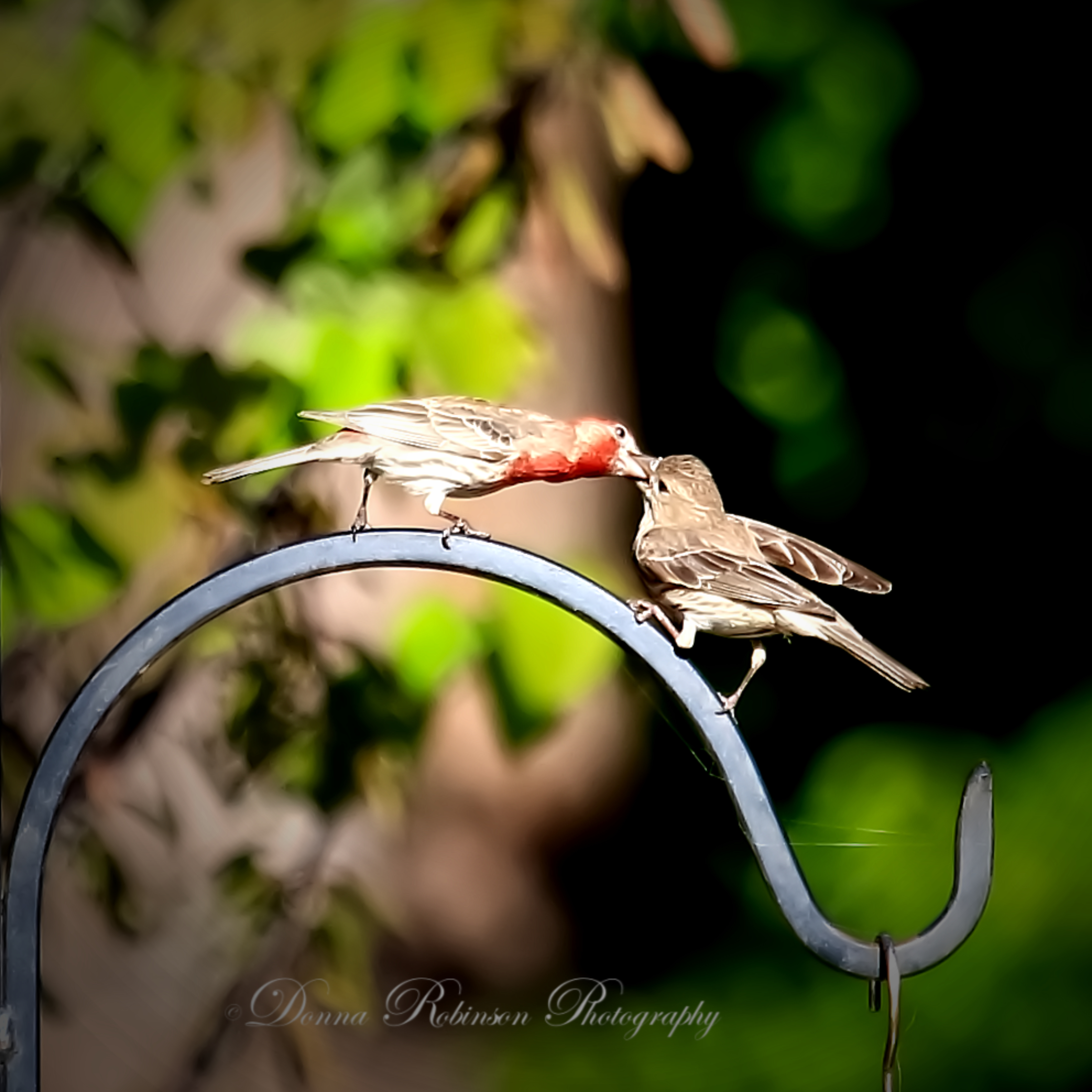
Memorial Day also marks the official start of summer and I think these cute little birds are definitely feeling the summer vibes. Don’t you?
Until next time, here’s to our fallen and to a summer full of belly flops, flip flops and floaties.
If you’ve followed along with my blog for a while, you know that one of my all-time favorite bird is the hummingbird. They are cute, swift and very challenging to photograph.
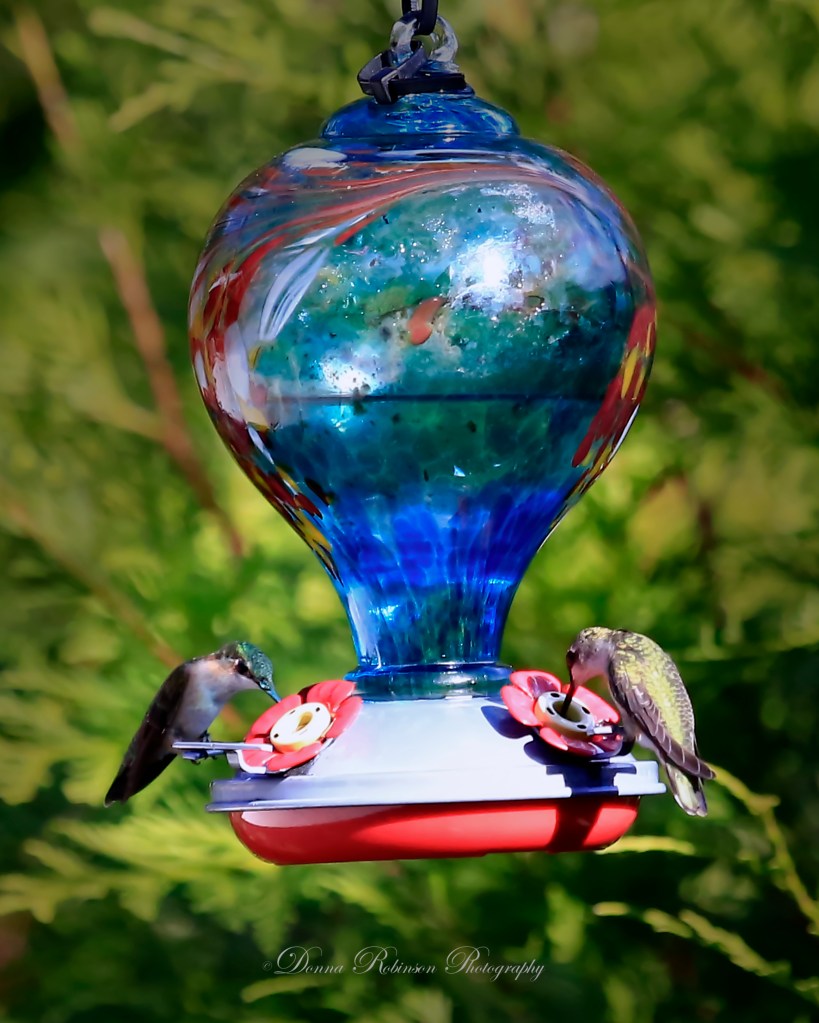
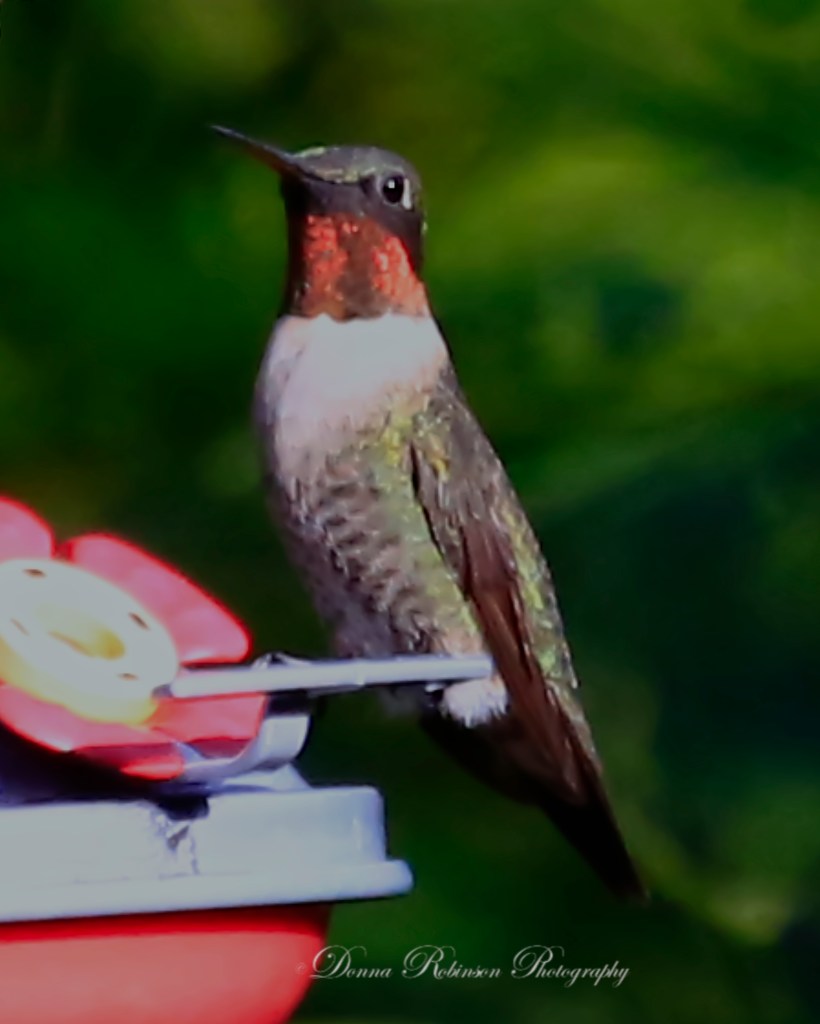
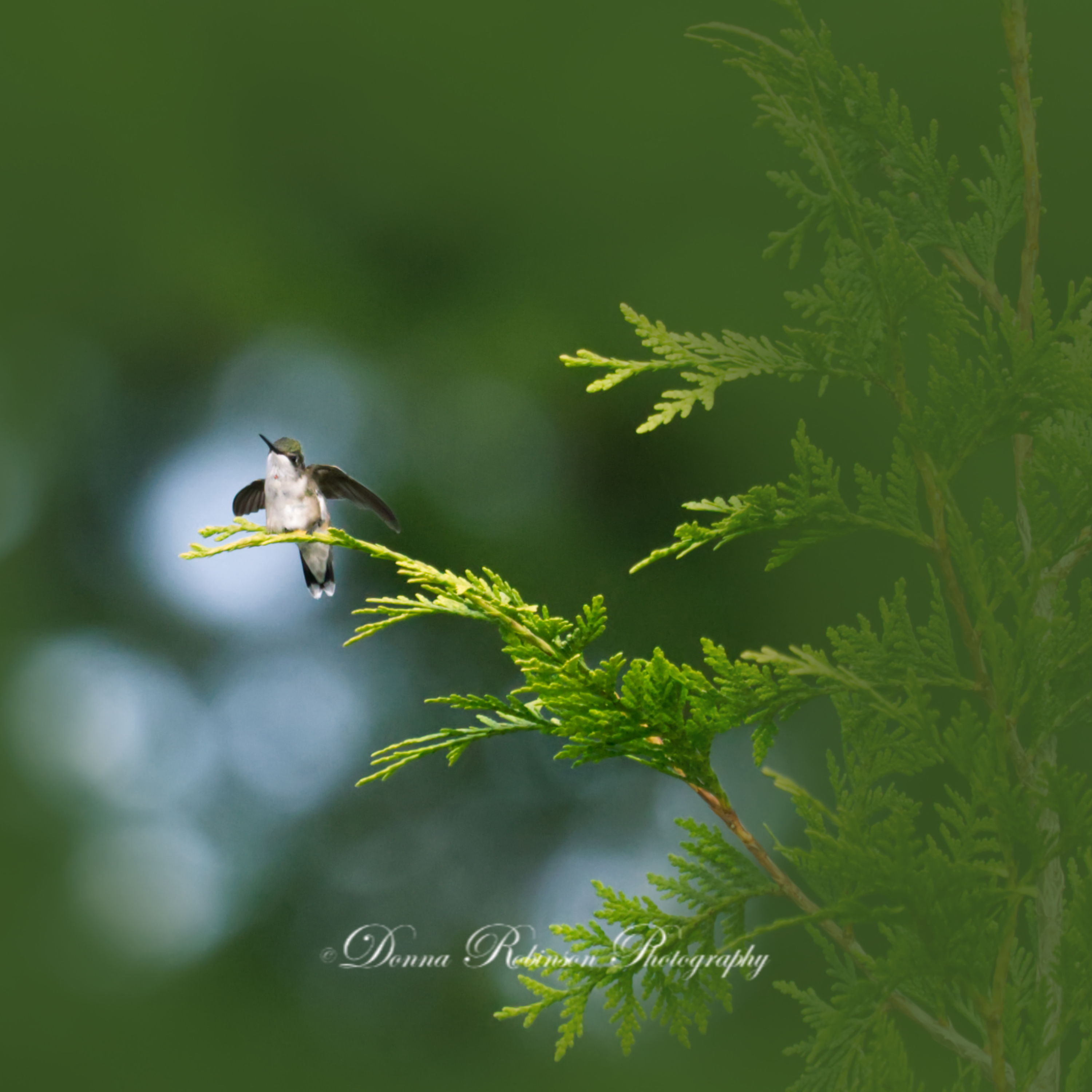
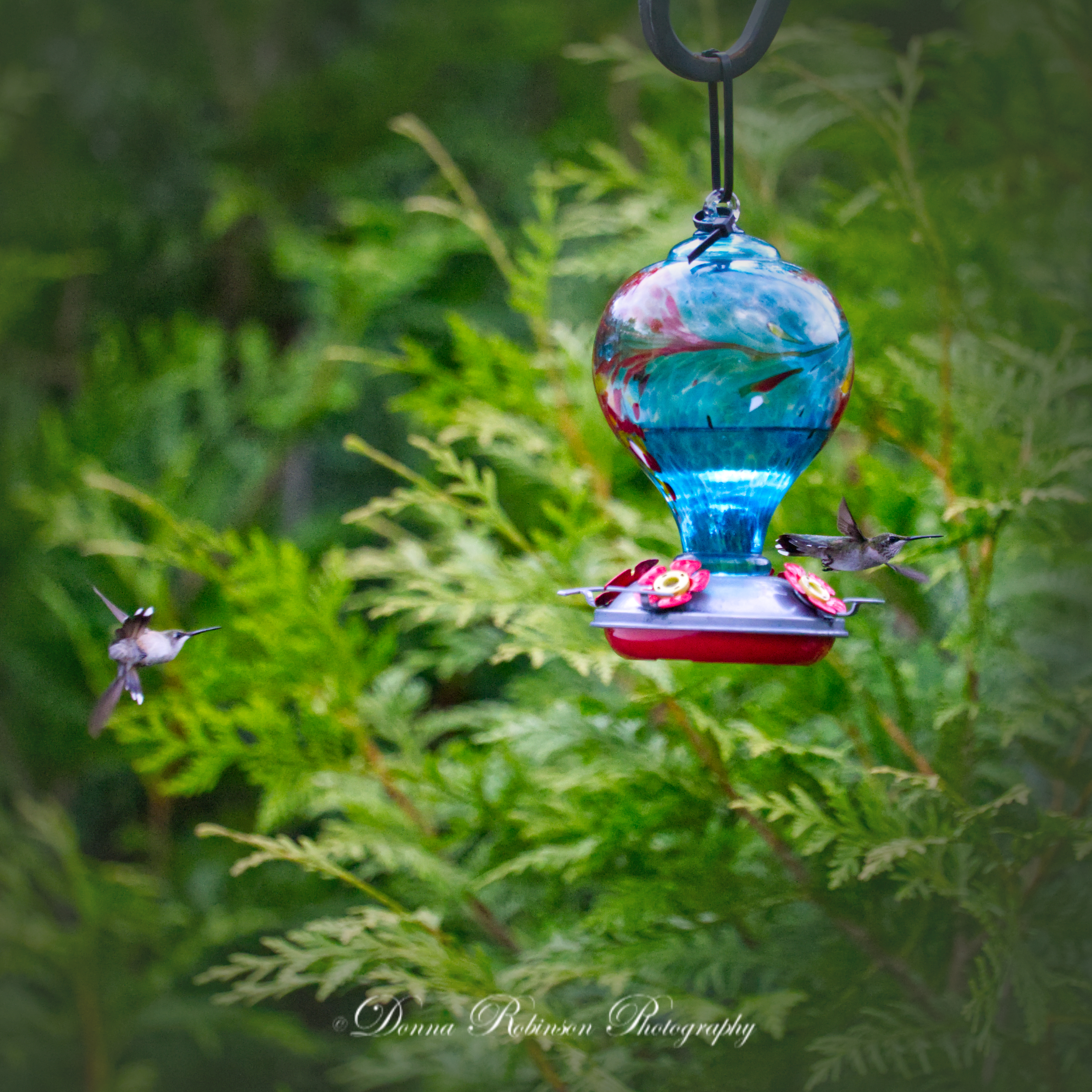
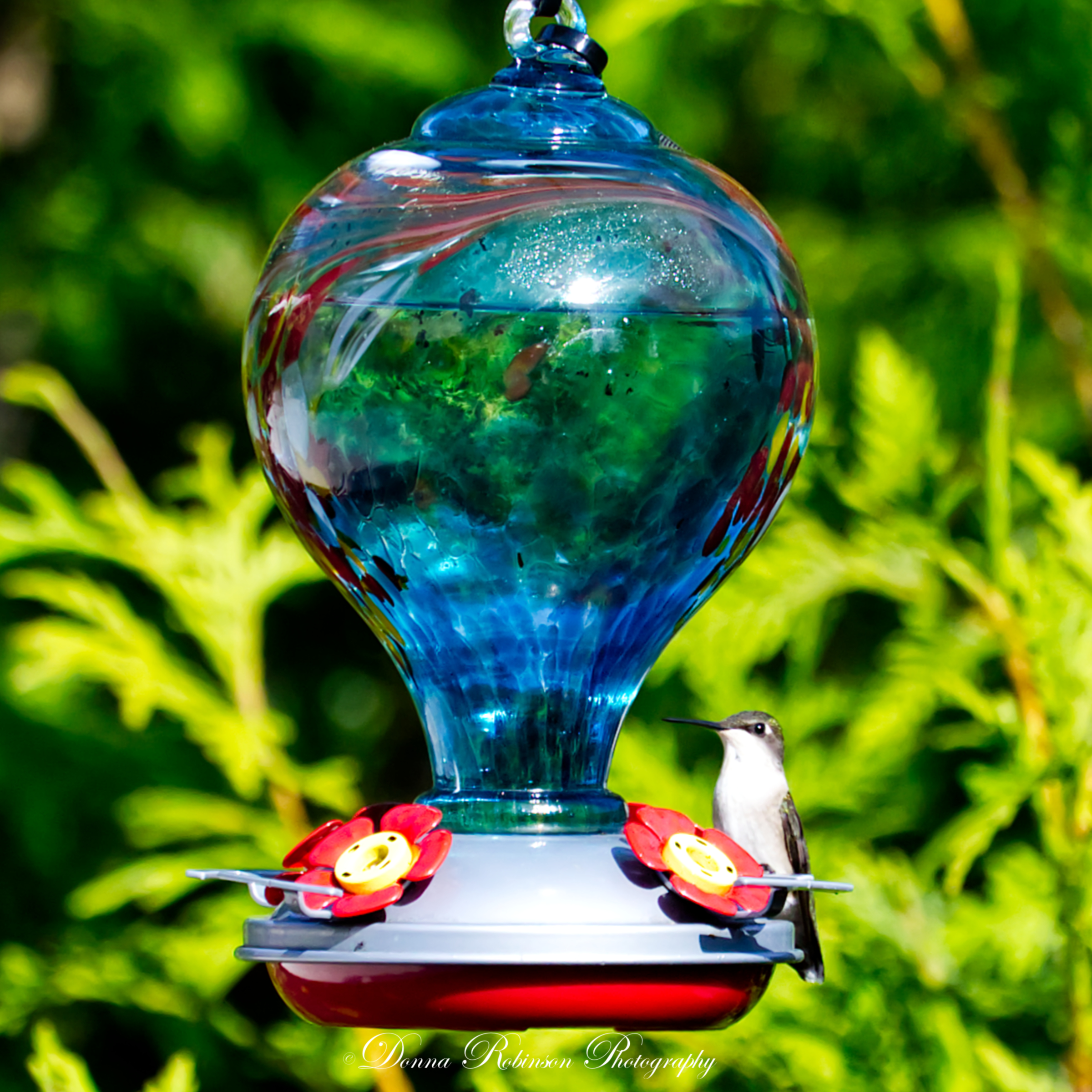
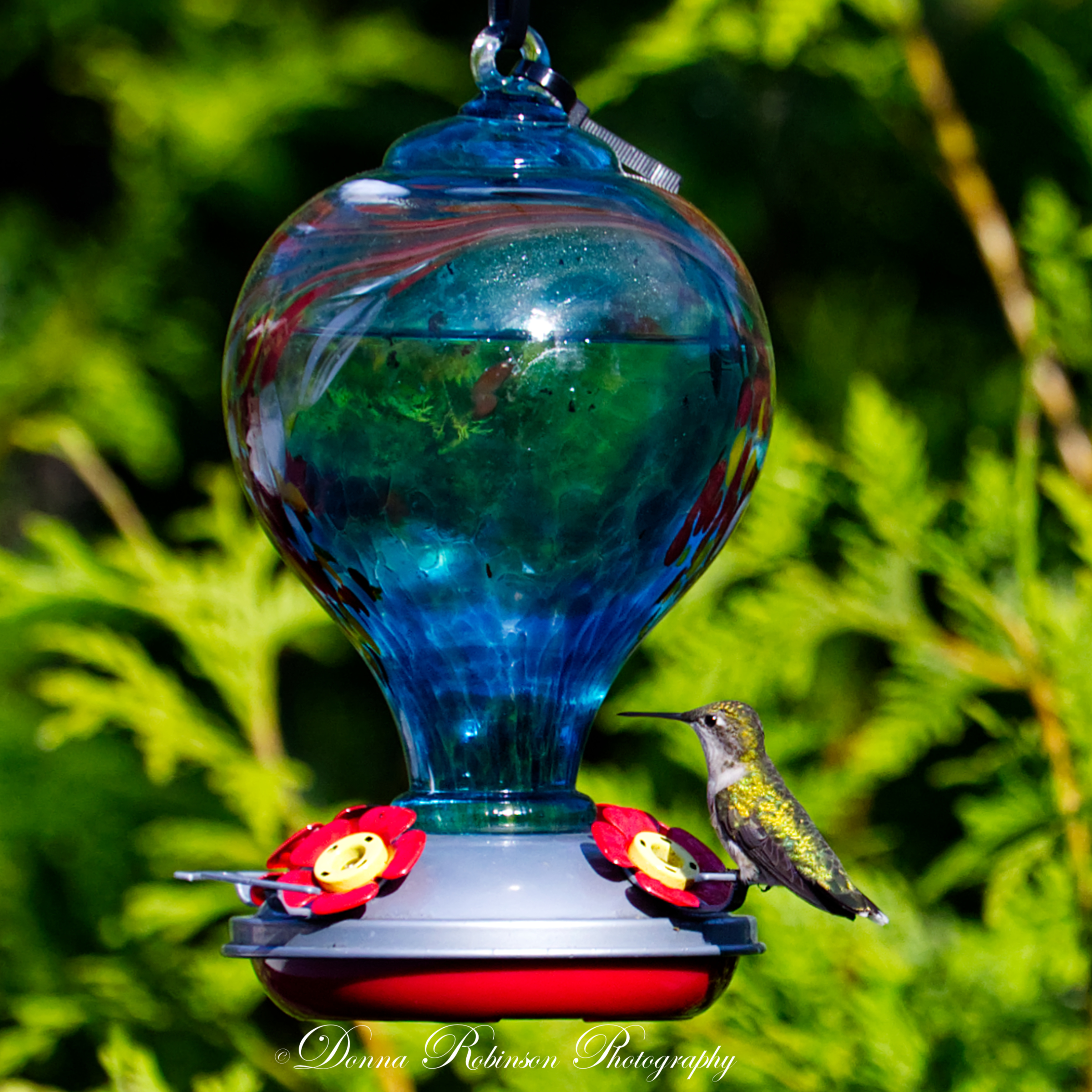
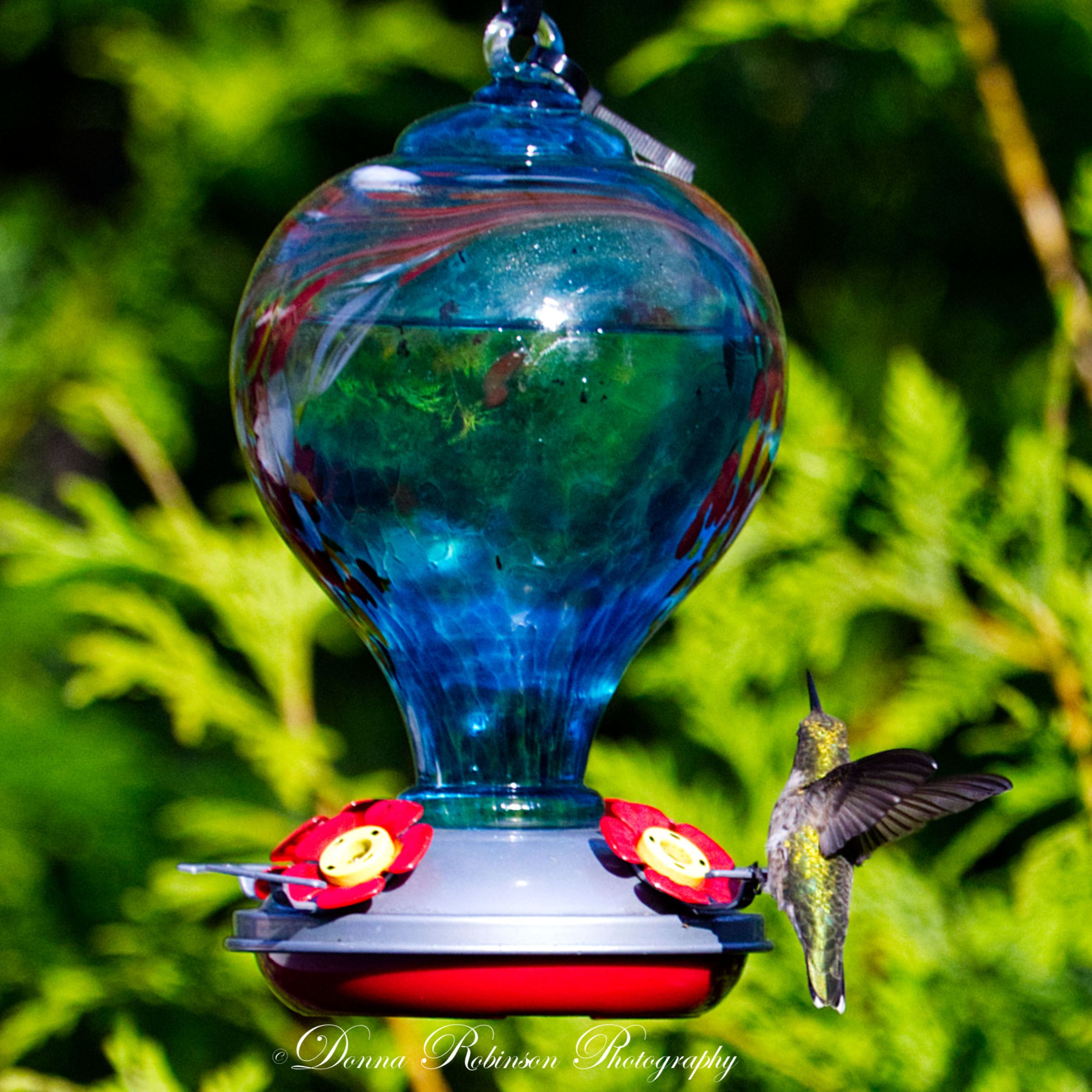
Except for the occasional scout, they were a little late showing up to the garden this year. But finally, this past Monday we had an emerald green hummer land on our feeder.
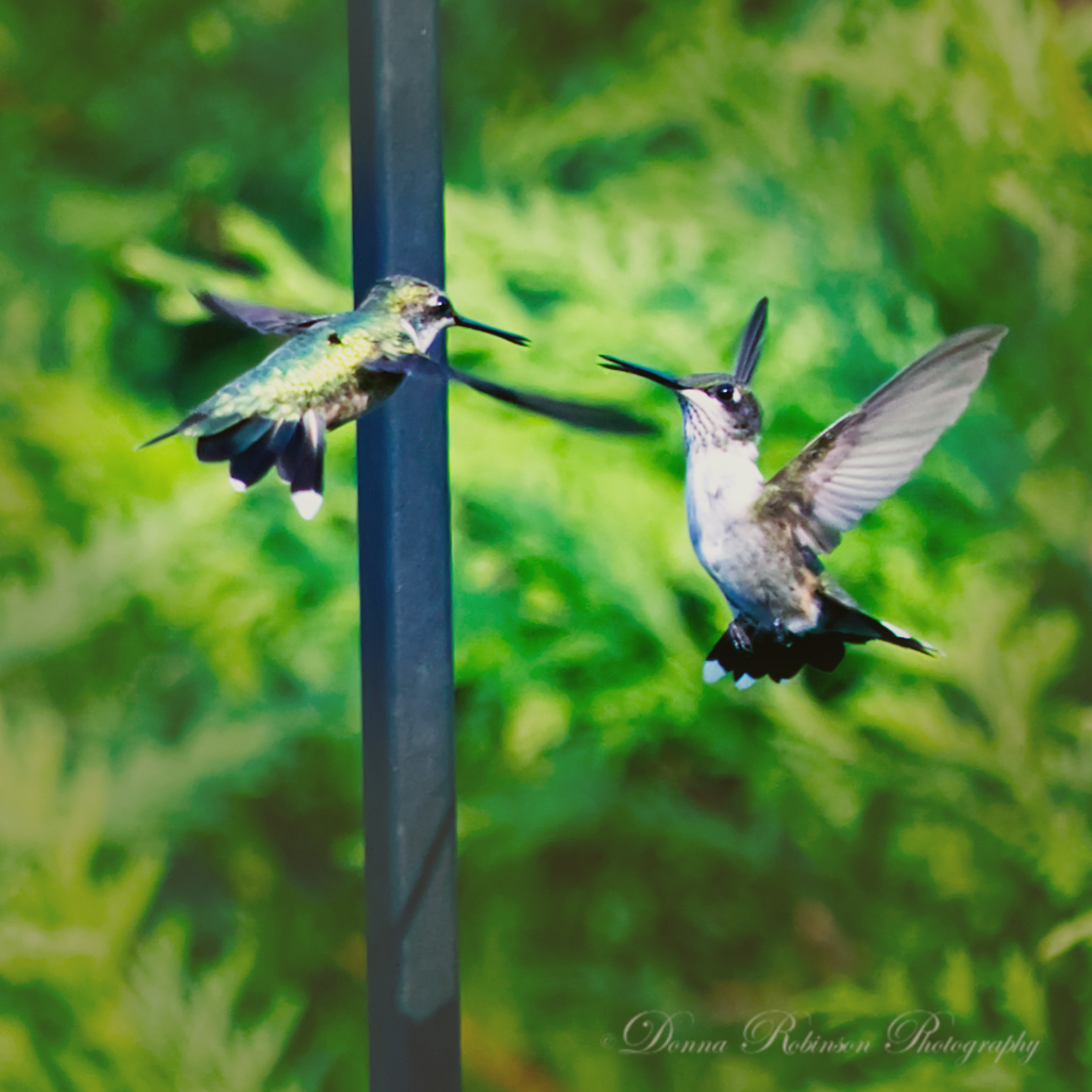
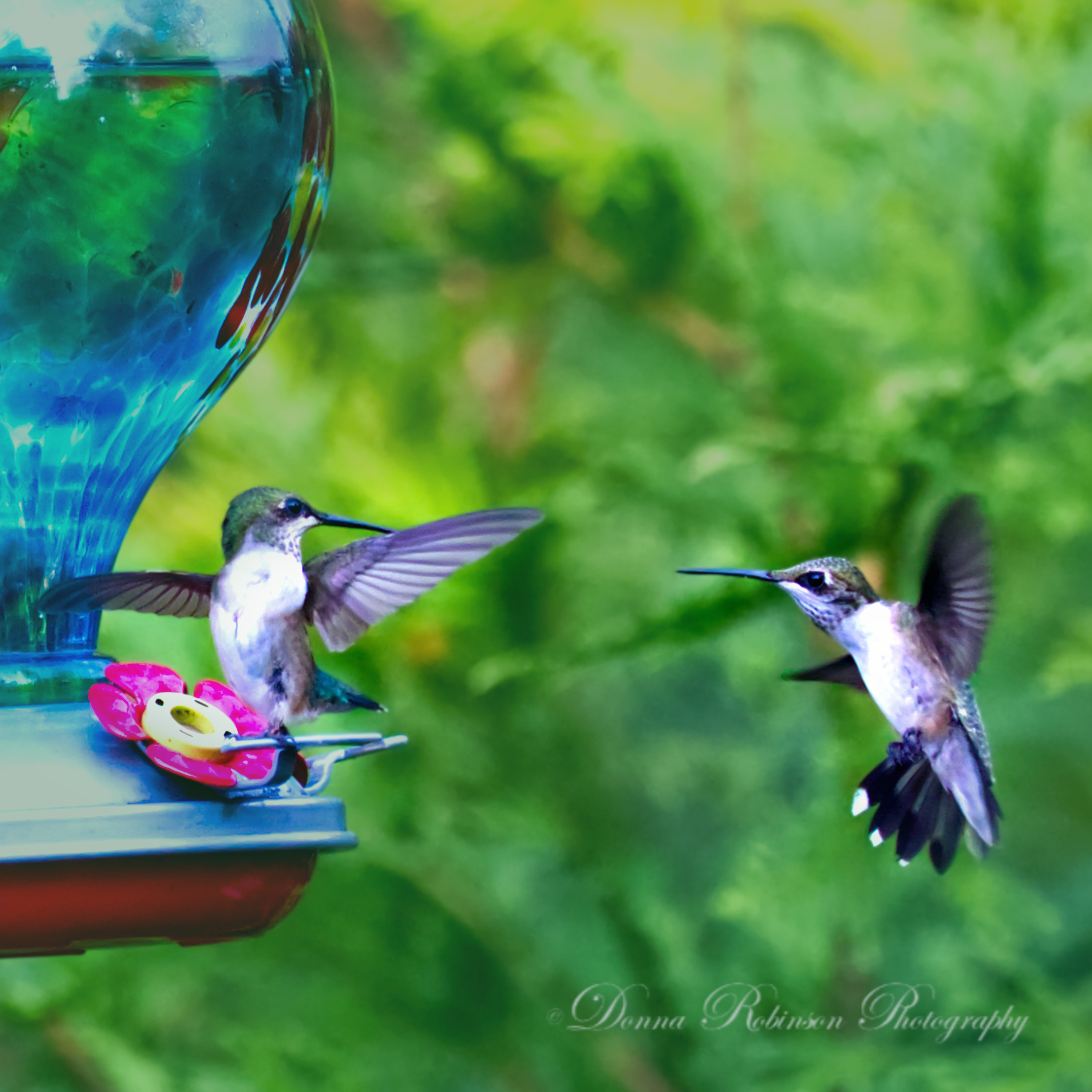
As you might imagine, Hummingbirds get their name from the humming sound their wings make when in flight. They hover at rapid wing-flapping rates, which vary from around 12 beats per second in the largest species to 99 per second in small hummingbirds (source: Wikipedia).
The feathers on a hummingbird don’t come from a specific pigment. Instead, the top layer contains prism-like cells that reflect the light (source: Hummingbird Info). Look how shiny and multicolored this little guy is.
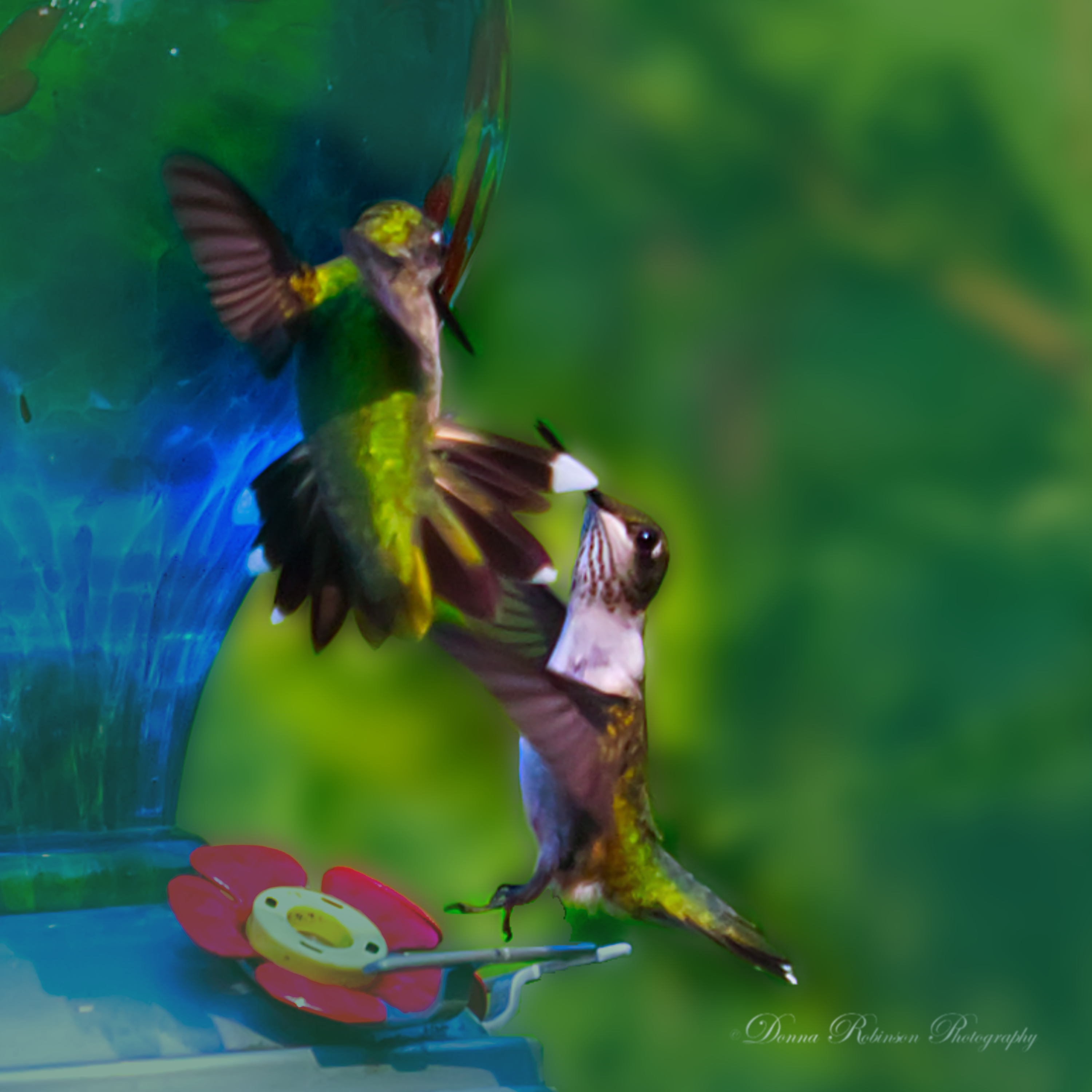
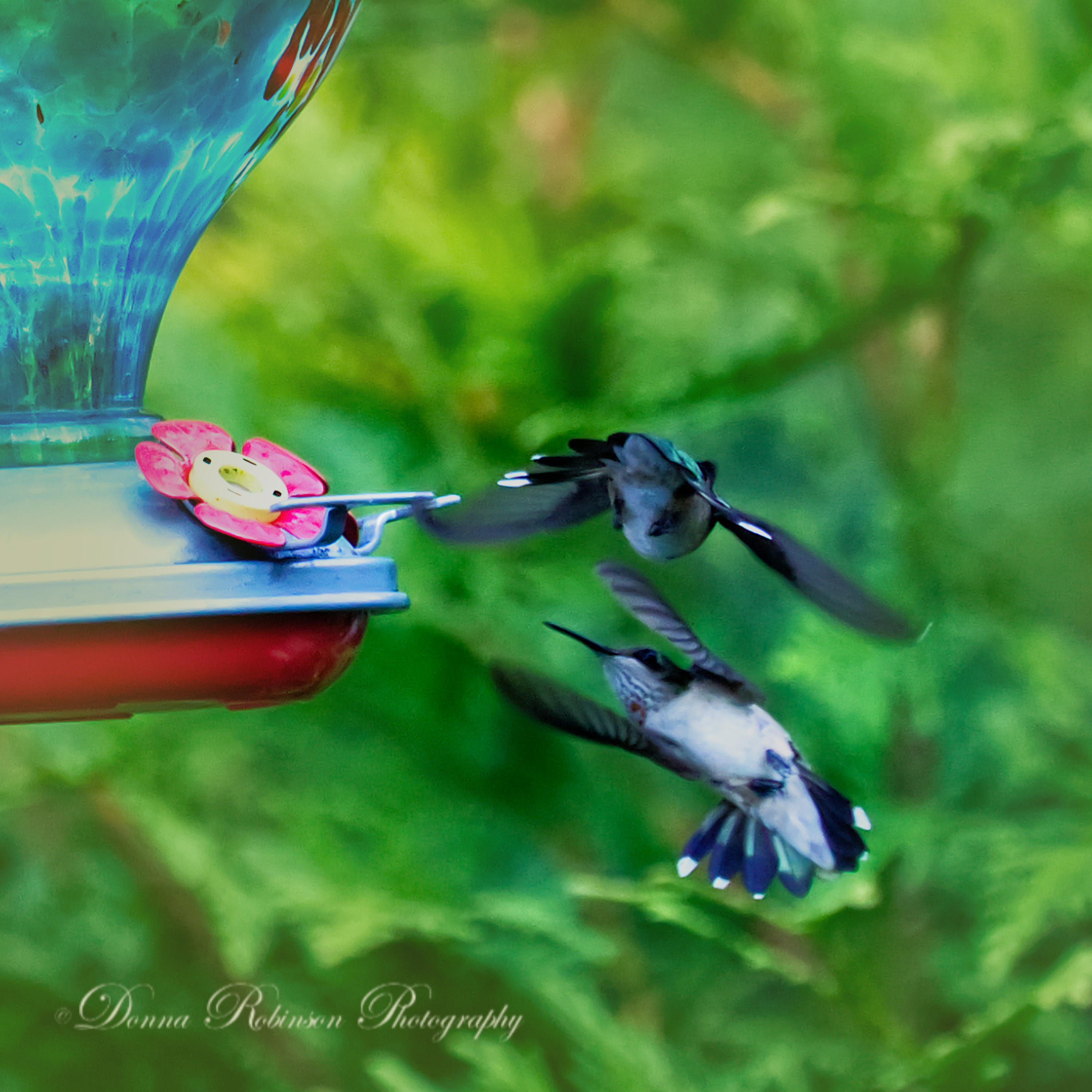
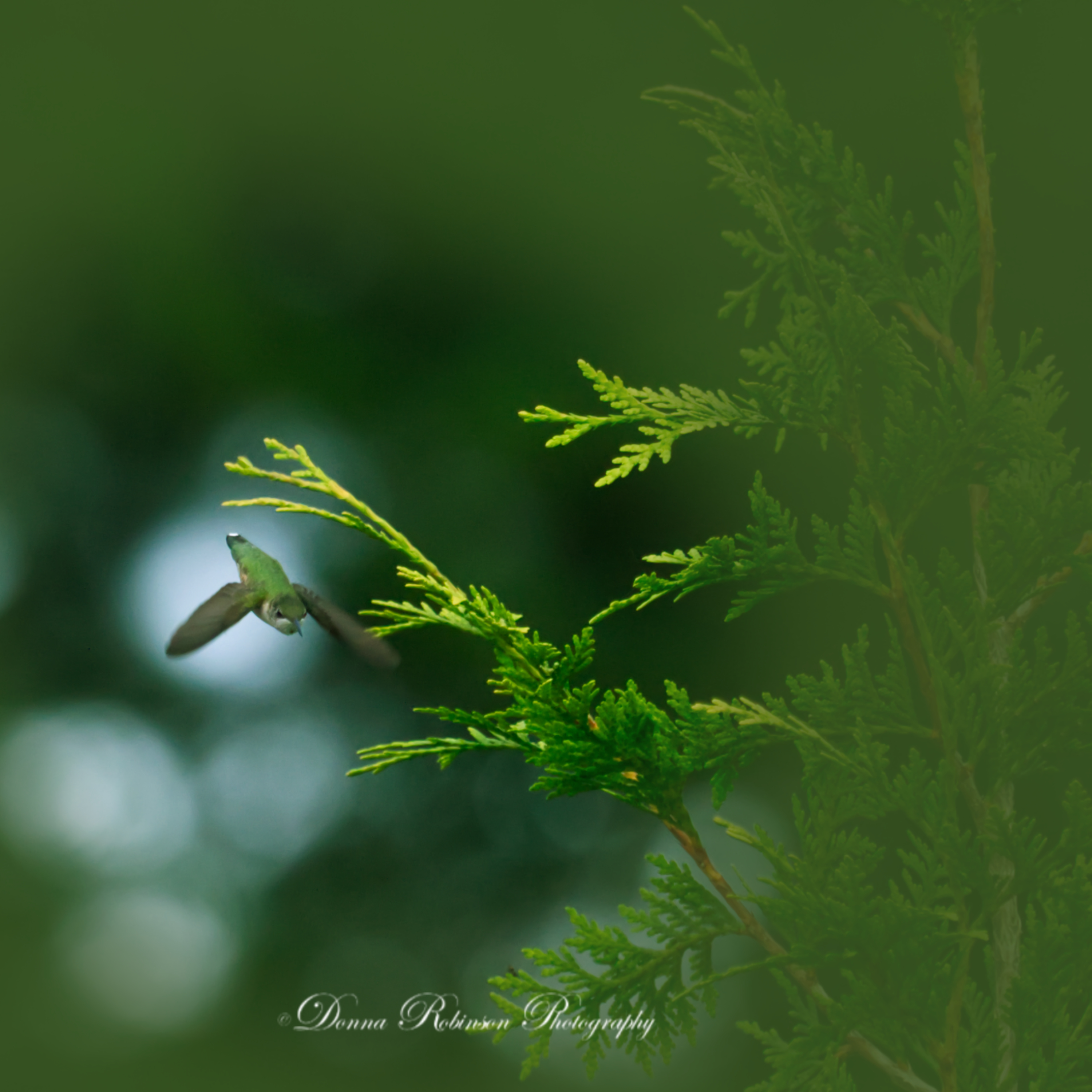
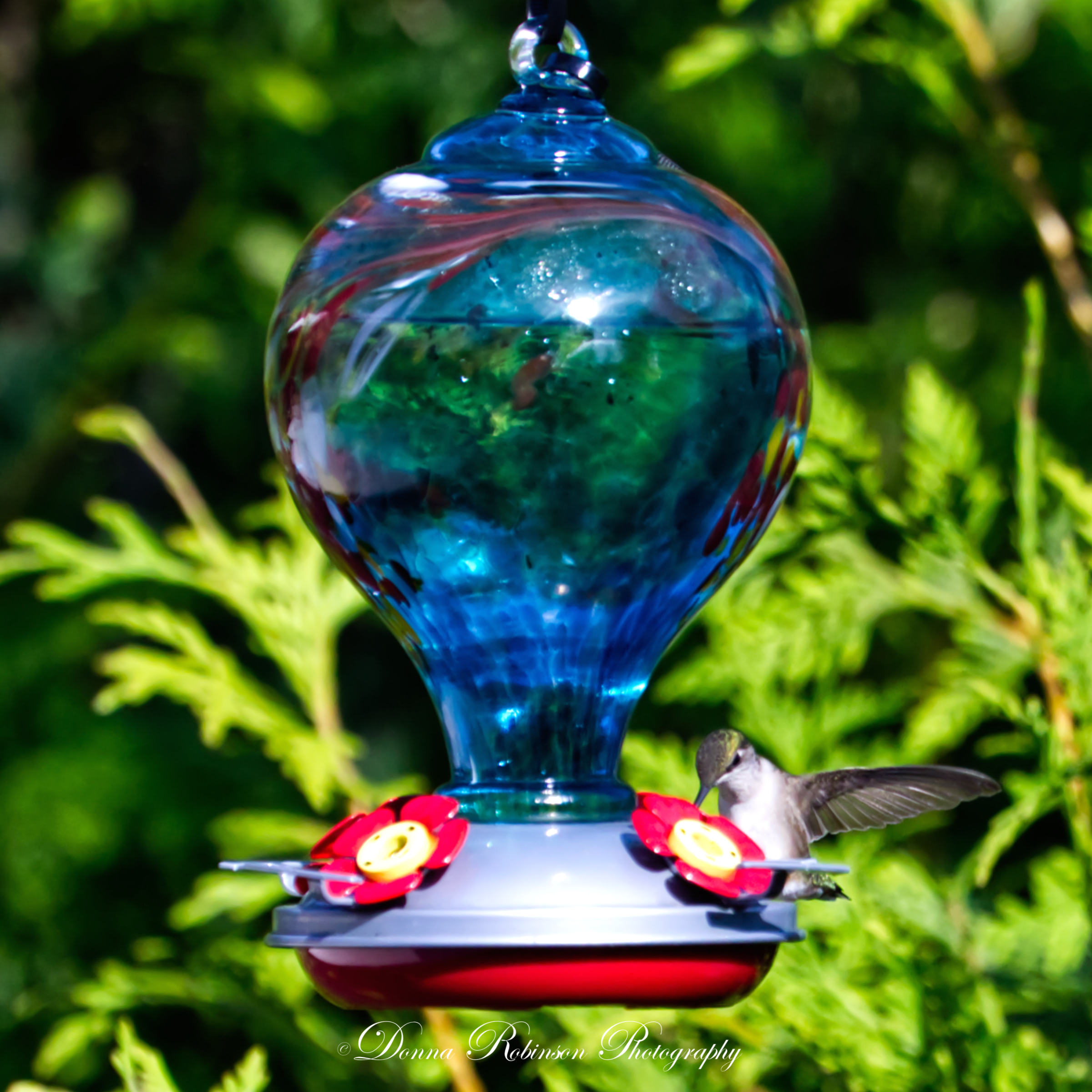
I’m a little rusty when it comes to capturing these cute garden fairies in flight. Normally, they fly at a speed of 25 – 30 miles per hour and when threatened they have a burst speed of 30 – 50 miles per hour (source: Hummingbird 101).
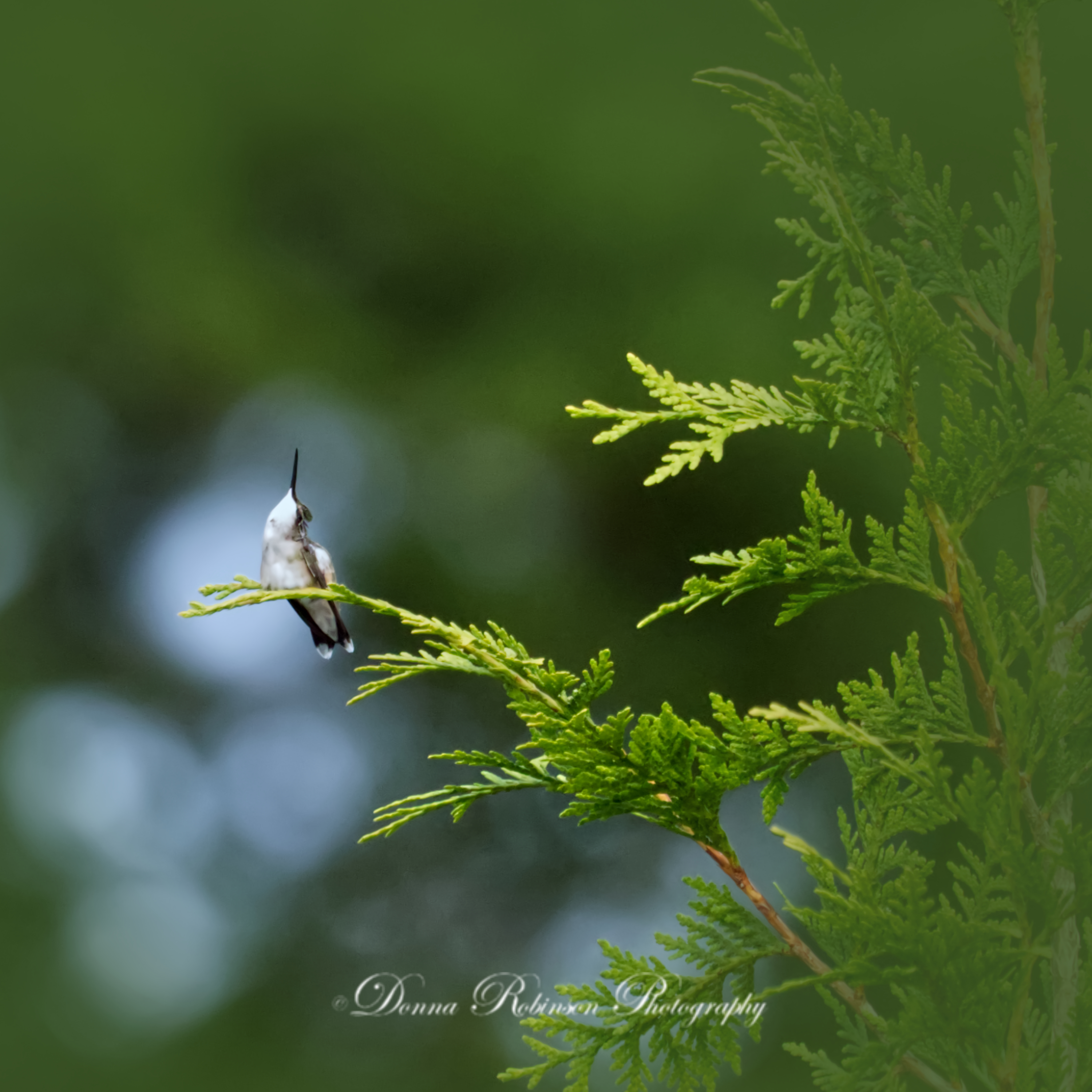
This was a lucky shot of this guy getting ready to leave the feeder.
I hope you enjoyed the fun facts about hummingbirds, today. Rest assured there will be more posts this summer of these beautiful creatures so stay tuned.
Until next time, have a great week and keep humming along.
Happy Sunday, everyone! I’m still hanging out back with the bird feeders this week. There’s always lots of activity around them which makes for great photography opportunities.
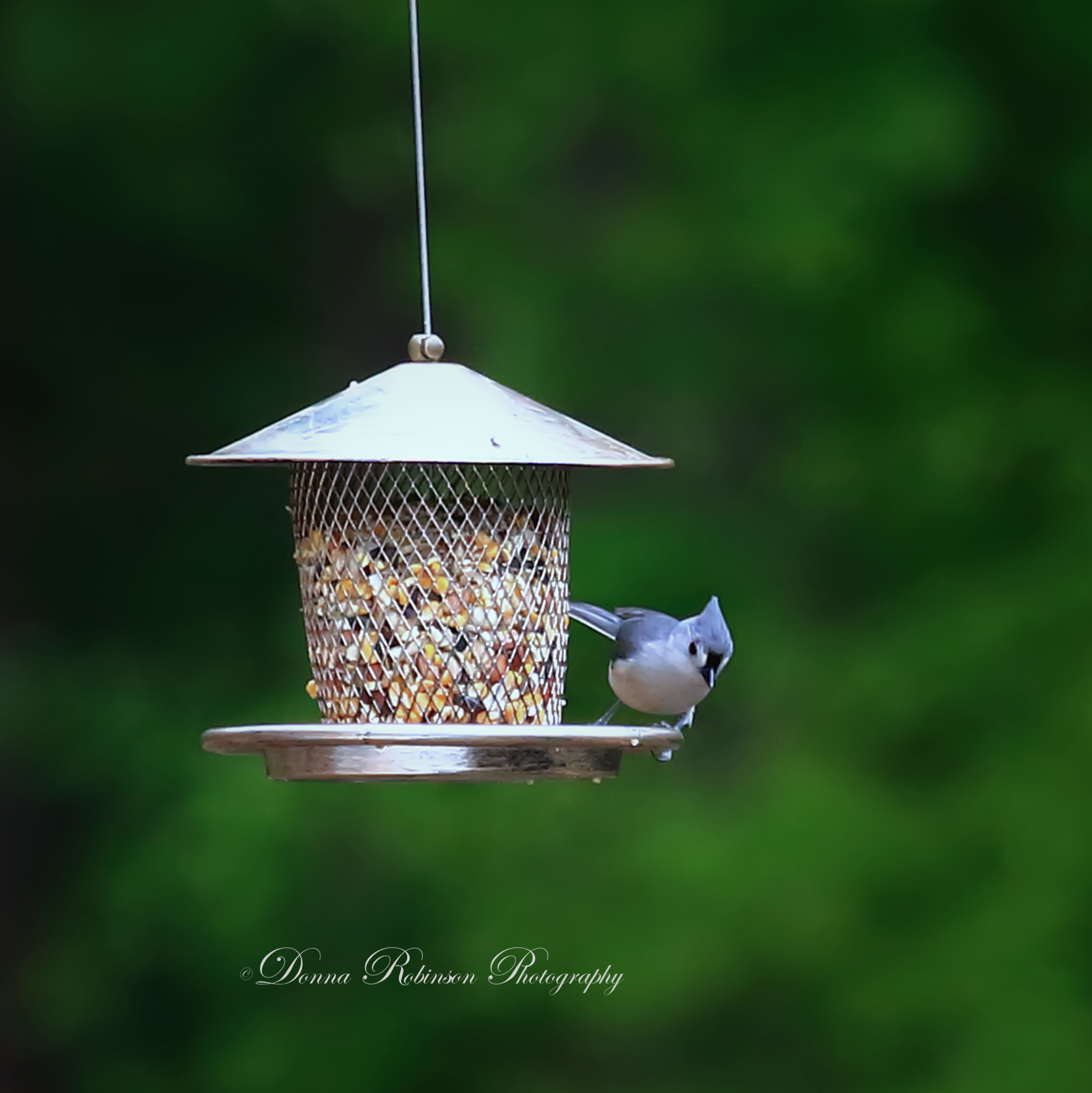
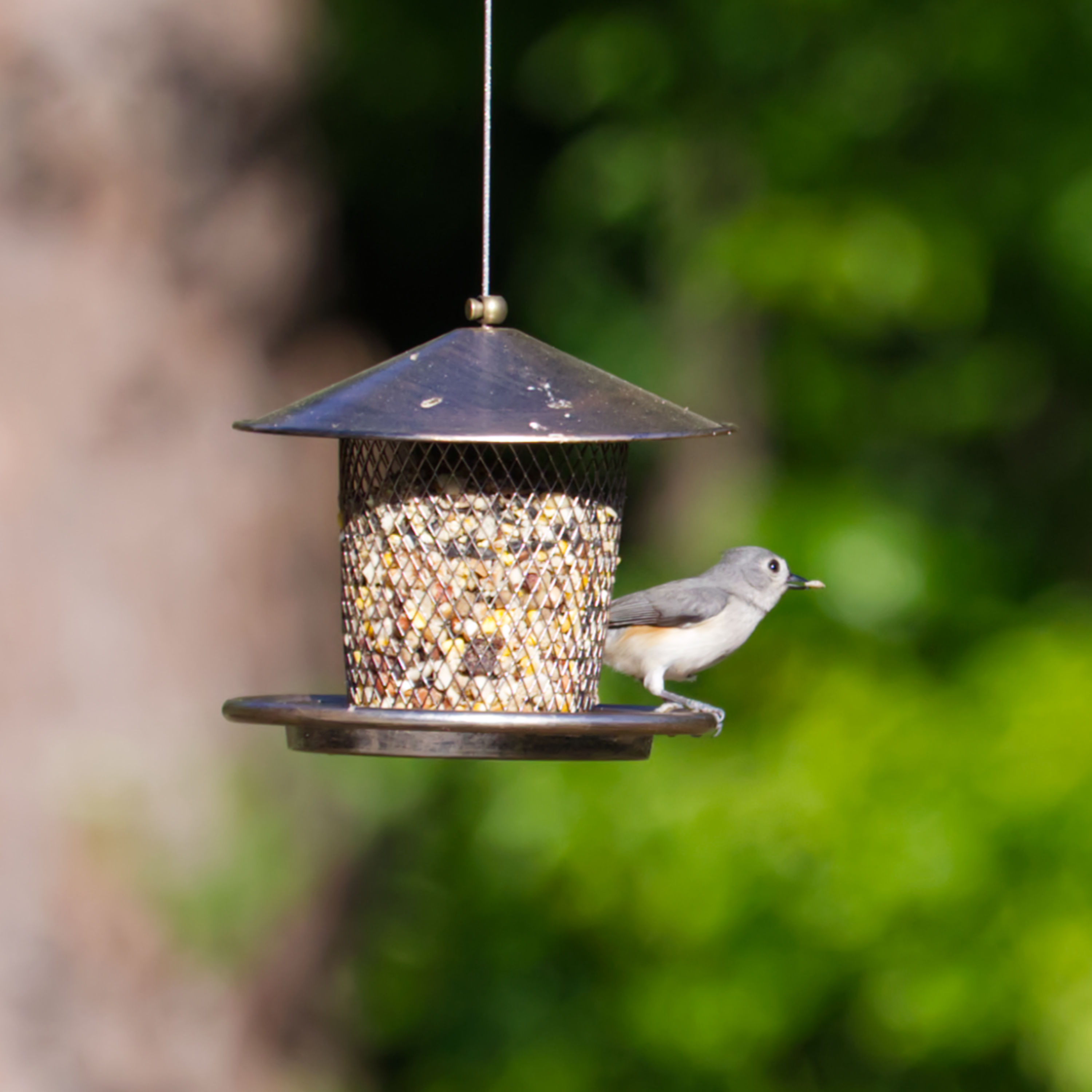
Today, I’m featuring this cute fella which is a Tufted Titmouse. He’s a charming little songbird that belongs to the Chic-a-dee family.
According to Cornell Labs it can be found in the Eastern forests and is also a frequent visitor to bird feeders. An interesting fact about them, is they can’t excavate their own nest cavities. Instead, they are dependent on natural holes left by woodpeckers. I guess you could say this is a great example of “one man’s (um, bird’s) trash is another man’s treasure?!”
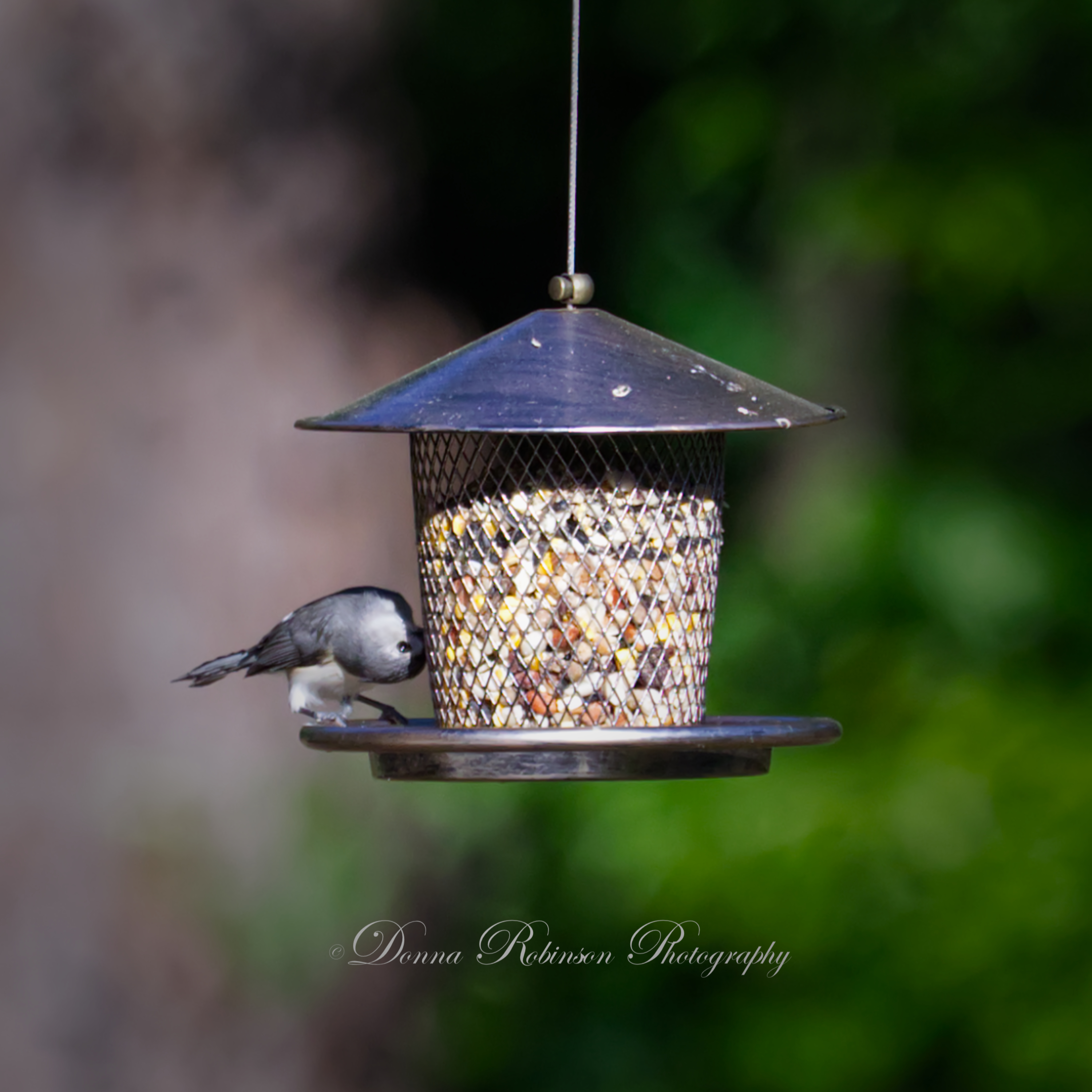
Hmmm. It looks like they’re also talented in gathering their food upside down. I really don’t know what this was about, but, hey it seemed to work for him. Who am I to argue?
“I asked a bird for advice. It said to just wing it.”
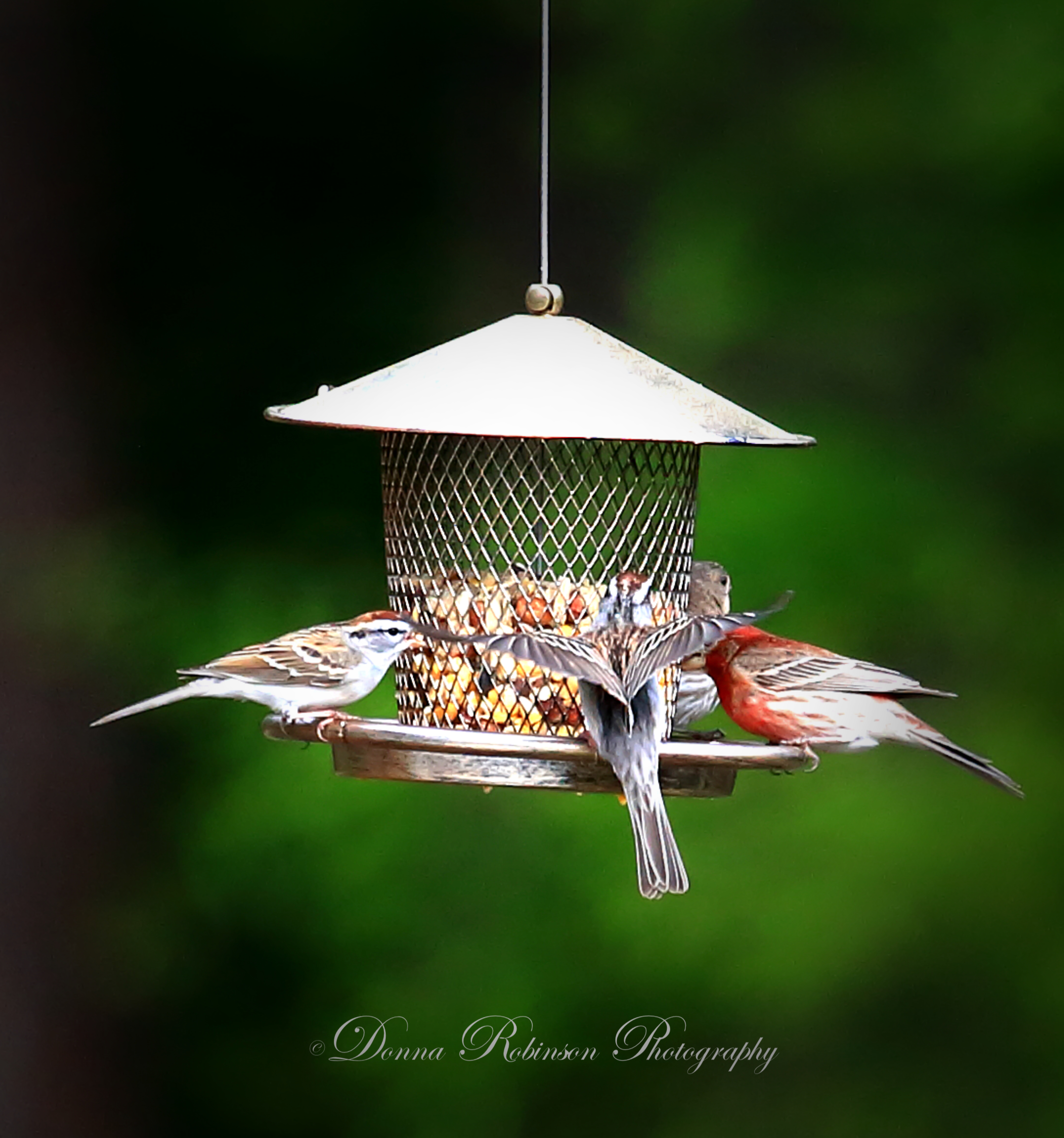
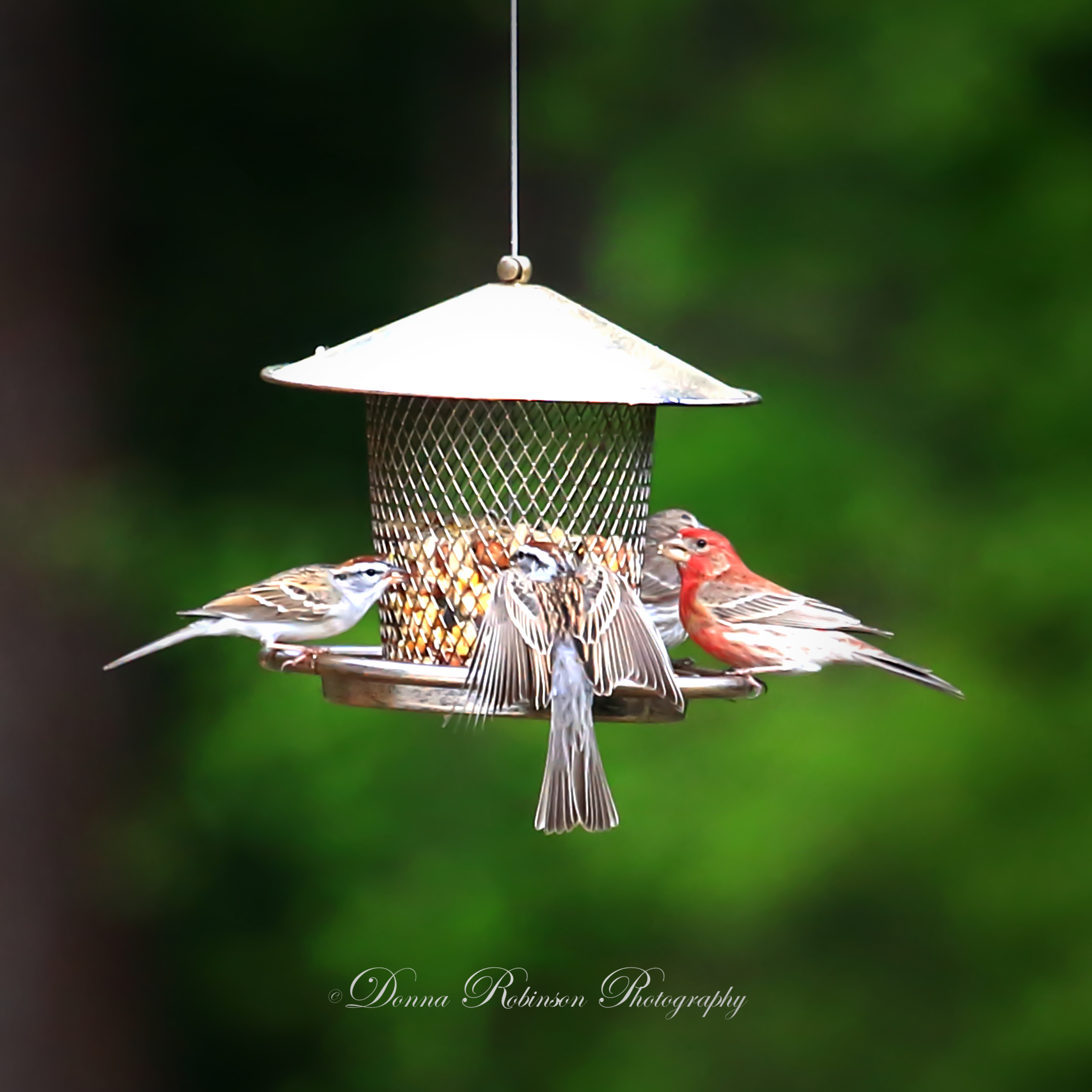
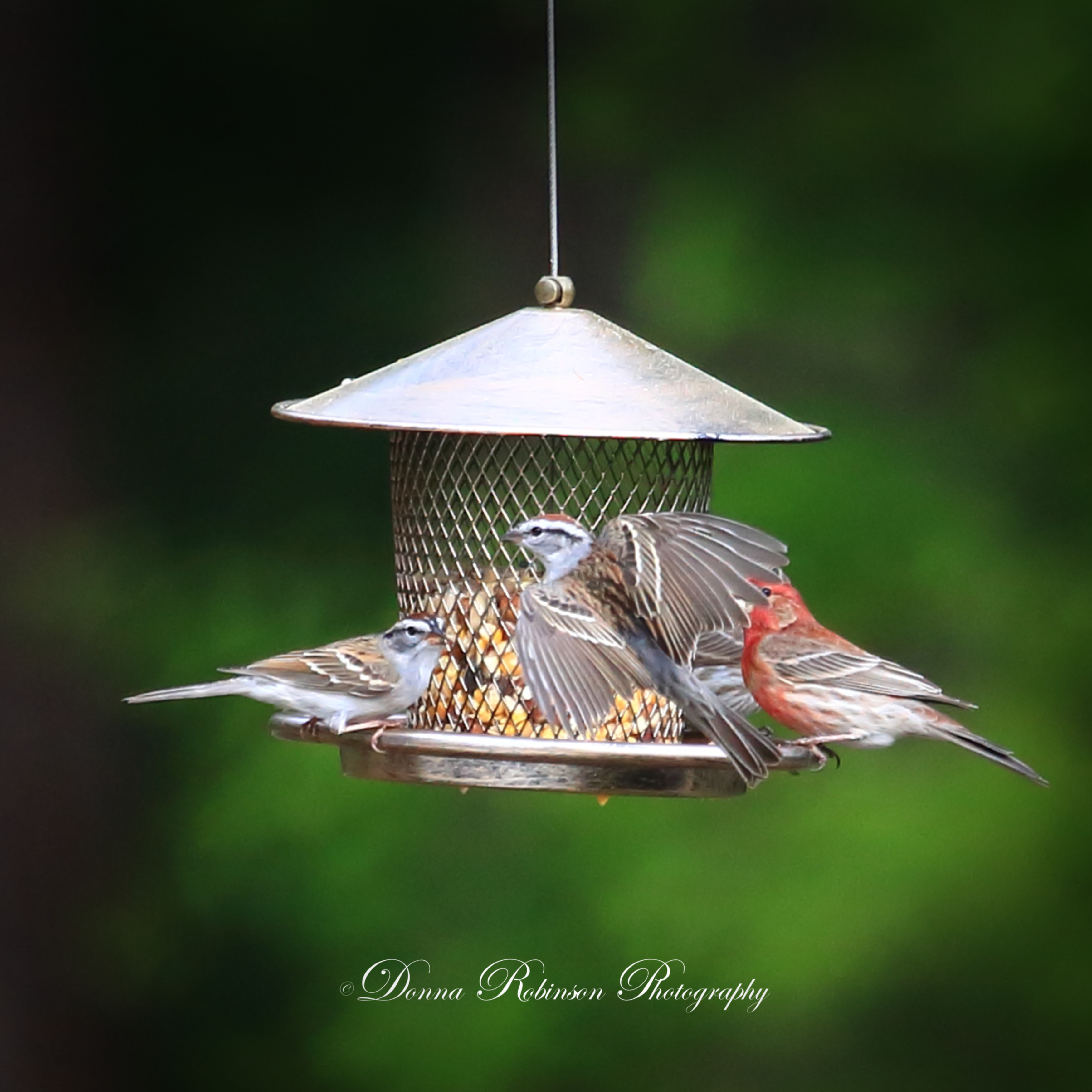
There was a group of finches hanging out at the feeder the other day. They all seemed to be having a good time, except for the middle one.
He was either uncomfortable with the company or was in a hurry to get to another feeder, because he never really settled in to eat, except for just a few bites.
As quickly as he arrived, he was taking off.
Oh well, nothing wrong with a little “dining and dashing.”
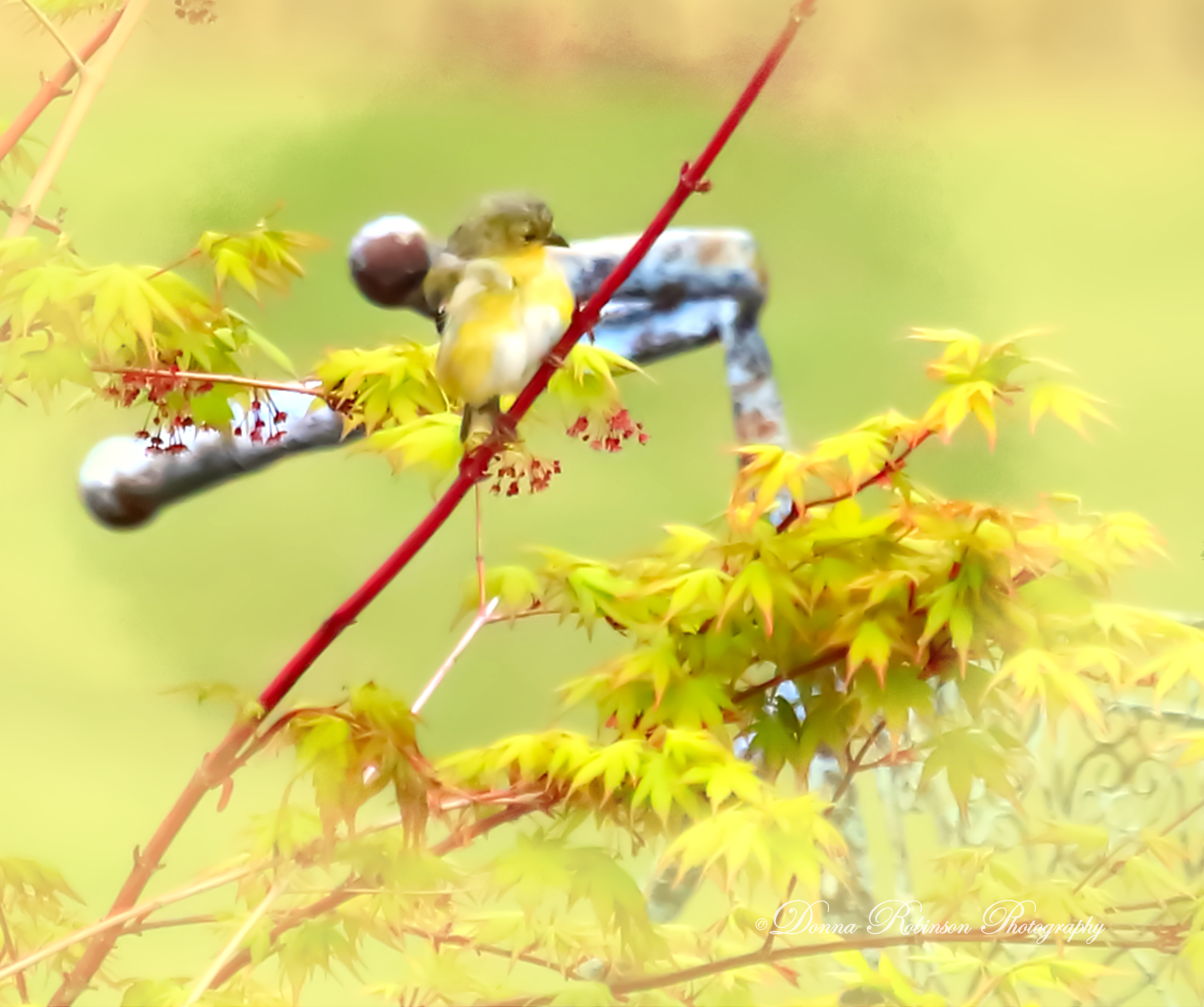
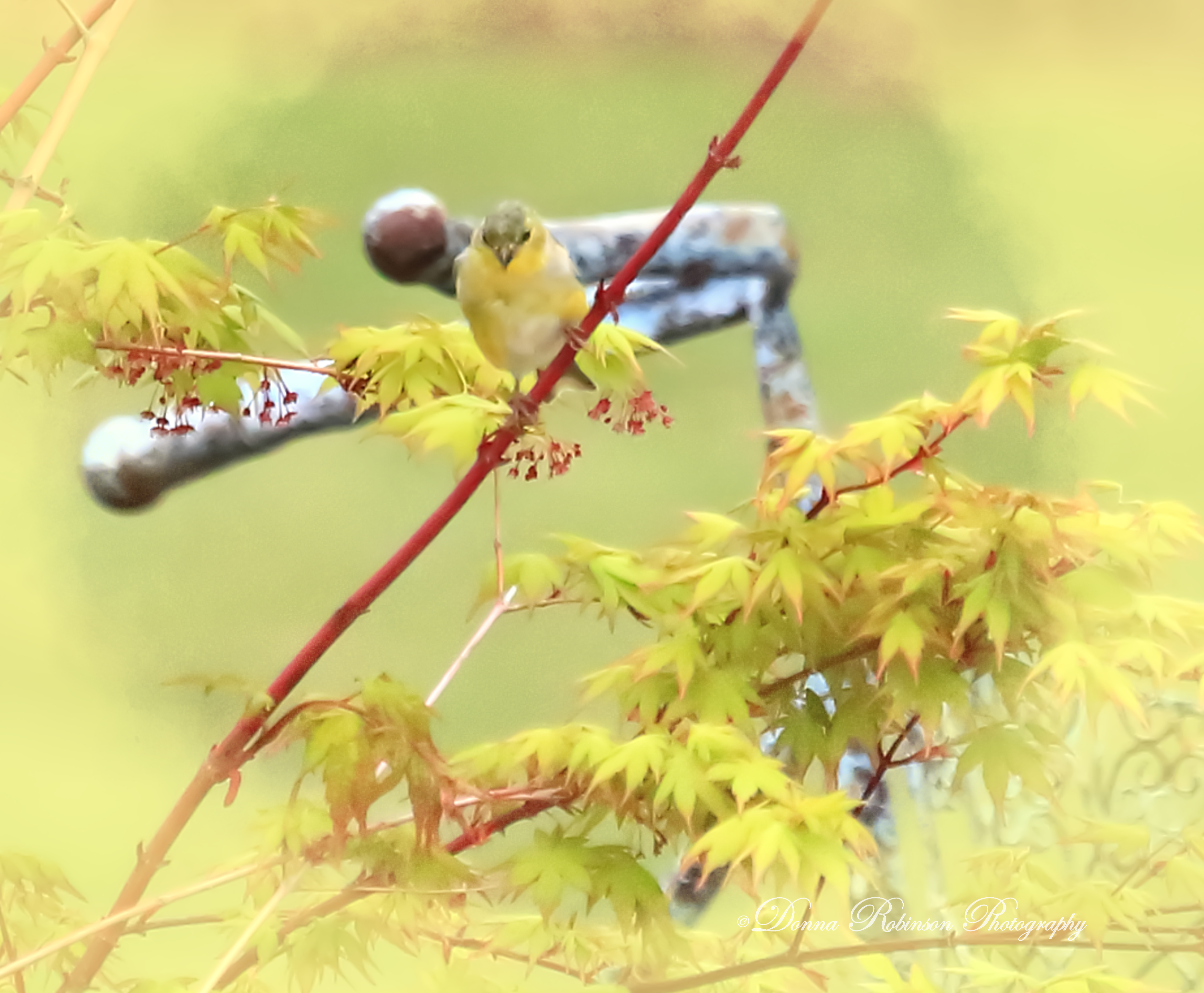
I don’t know if he was intentionally trying to hide from the other birds or not, but this little guy sure did give it a good try. So much so, I had a really hard time keeping the lens focused on him. You can tell because these photos aren’t as sharp as I would like.
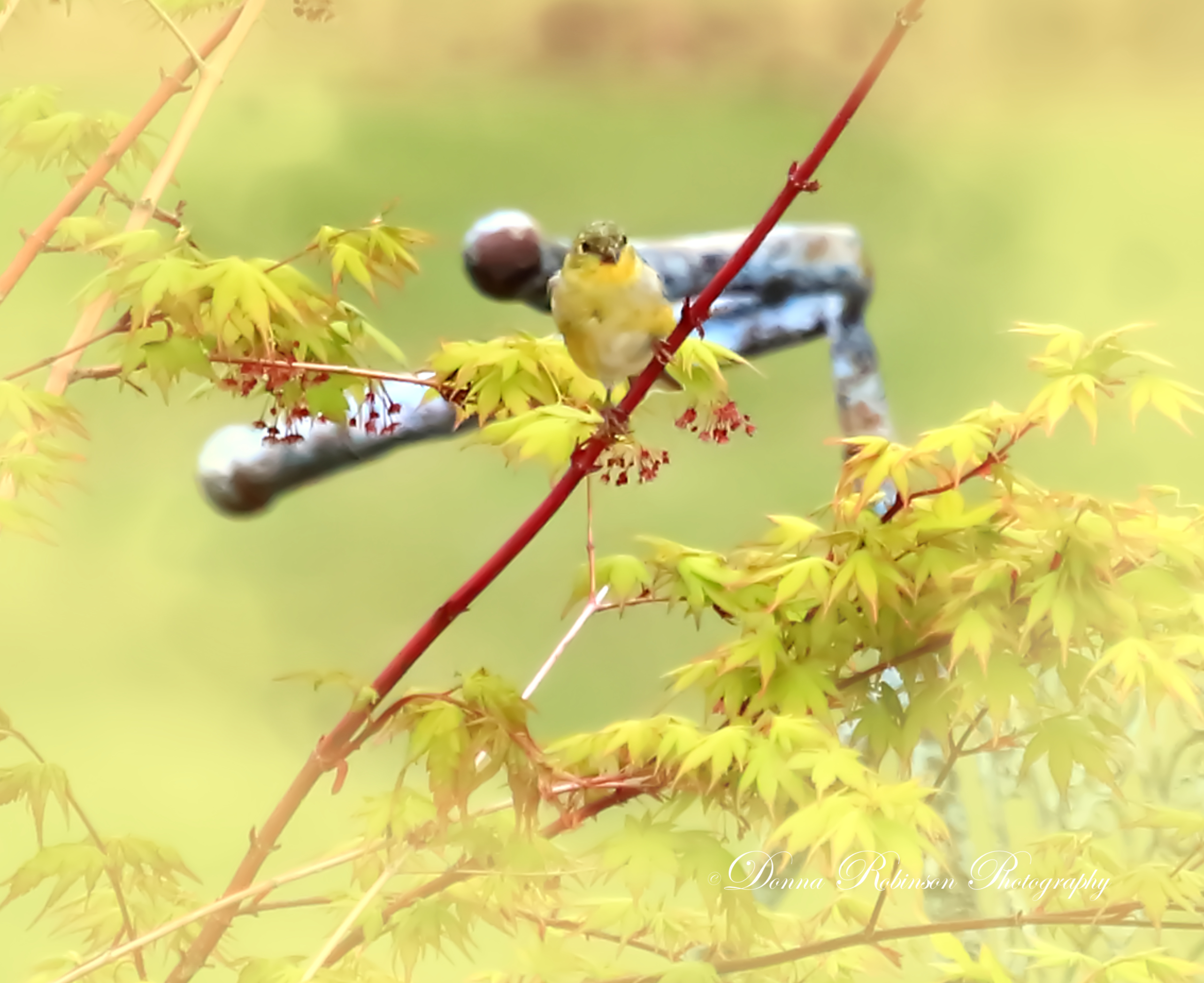
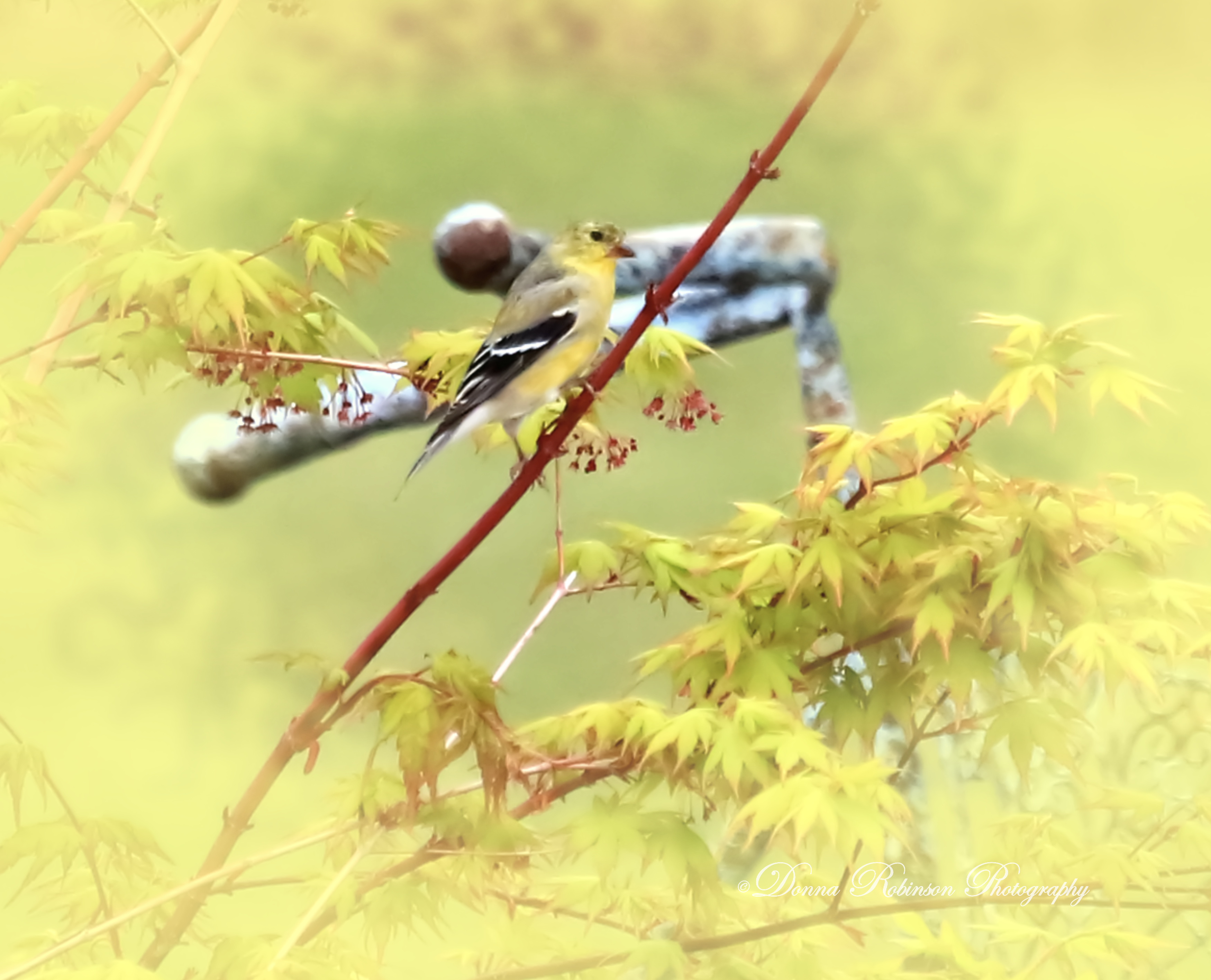
This is one (1) of three (3) American Goldfinches we have visiting our yard this year.
Field Notes: F Stop 1/3200, AV 5.6, ISO 5000
Did you know the American Goldfinch is the state bird of Iowa, New Jersey and Washington?
Field Notes: F Stop 1/3200, AV 5.6, ISO 5000
They are also strict vegetarians in the bird world, eating an entirely vegetable diet albeit swallowing an occasional insect.
Field Notes: F Stop 1/3200, AV 5.6, ISO 5000
A breeding male Goldfinch can be identified by their bright yellow and black foreheads, black wings and white markings. They also breed later than most North American birds and wait to nest until June or July. This is the optimal time when milkweed, thistle, and other plants have produced their fibrous seeds, which goldfinches build into their nests and to feed their young.
Field Notes: F Stop 1/3200, AV 5.6, ISO 5000
I’m hoping to capture more of these little birds this summer. They always brighten my day.
Until next time,
~donna
Species Information Source: Cornell Lab – All About Birds
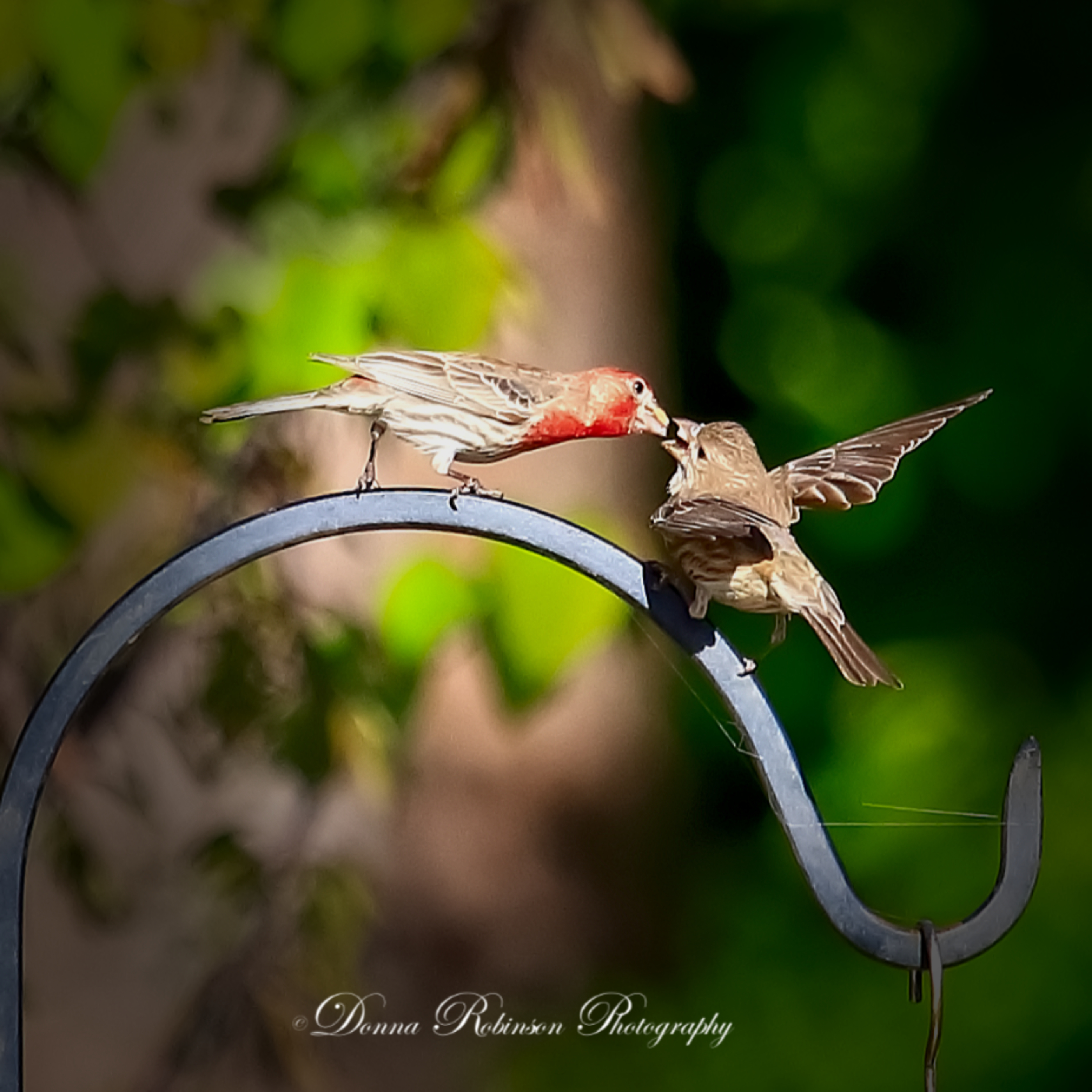
Spring is finally here and time to begin the afternoon birdwatching. Our backyard is full of all kinds of birds, especially house finches and we’ve made it very attractive for them with our new bird feeders.
I started to caption this “dinner for 2,” but they looked more like they were dancing (probably more like fighting) for their space at the dinner table.
Day 10 – We have a new visitor at the birdfeeder today, an Eastern Female Downy Woodpecker. According to All About Birds“Downy Woodpeckers are small versions of the classic woodpecker body plan. They have a straight, chisel-like bill, blocky head, wide shoulders, and straight-backed posture as they lean away from tree limbs and onto their tail feathers. The bill tends to look smaller for the bird’s size than in other woodpeckers.”
Editing Notes: I applied a haze removal before cropping and made some minor level adjustments to the lighting before applying a final vignette for accent.
Field Notes: 170mm; Exposure: 1/100 sec, f/9, ISO 1250